


Traditional Nursery Seating
Traditional nursery seating comprises small chairs, rockers and high chairs made for children across the nineteenth and early twentieth centuries.
Traditional Nursery Seating
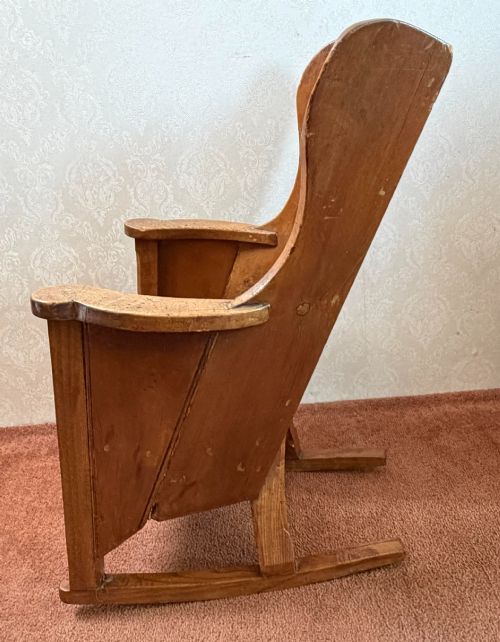
Traditional nursery seating encompasses low chairs, armchairs, rockers, high chairs and commode chairs designed specifically for children during the Georgian, Victorian and Edwardian eras. These domestic pieces served daily domestic life in nurseries and family parlours, constructed to scale for smaller occupants.
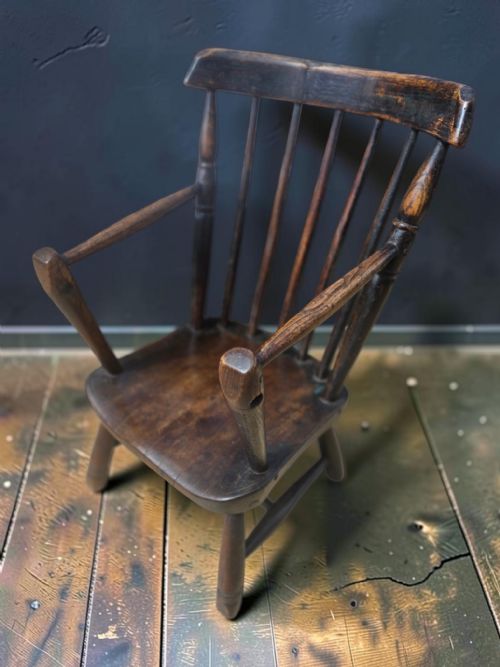
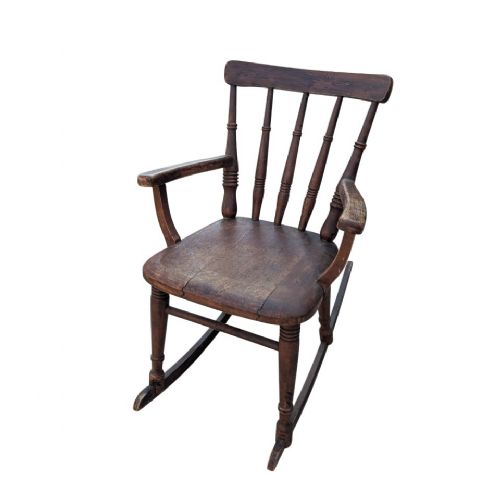
Rocking chairs and Windsor armchairs dominate the examples found here, alongside high chairs featuring cane, wood or upholstered seats. Makers adapted adult vernacular forms into diminutive proportions, creating functional seating from regional workshops and domestic settings.
How traditional nursery seating was made
Craftsmen built these chairs using native and imported timbers including elm, yew, mahogany, oak, beech and ash, often combining different woods within a single frame for structural strength. Solid wood seats received shaped or moulded panels, while other frames incorporated woven cane, rush or bergere panels.
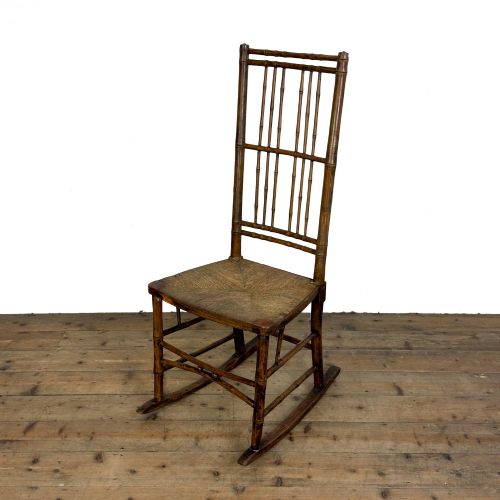
Joinery methods relied on traditional turning, steam-bending for bentwood and Windsor construction techniques where spindles and legs fit directly into thick wooden seats. Surface treatments ranged from natural polished mahogany and ebonised finishes to painted decorations and faux bamboo turnings.
Listings feature woods such as elm, mahogany, yew, oak, beech, ash and cane across pieces spanning the eighteenth to early twentieth centuries.
What varies in quality
The choice of timber heavily influences quality, with figured yew wood, dense mahogany and select elm marking out finer regional vernacular pieces from standard utilitarian seating. The complexity of the turning, such as bobbin details or stick-back Windsor construction, demonstrates the maker's proficiency.
Proportion and structural integrity separate robust examples from simpler ones, particularly where miniature scale requires careful balance in rocking chairs and high chairs. Original surfaces, untouched patina and retained cane or rush work elevate an individual piece.
The Traditional Nursery Seating Glossary
- Windsor chair
- A wooden chair constructed with a solid sculpted seat into which the legs and back spindles are direct-tenoned. These chairs often feature bentwood bows and arm rails.
- Bergere
- A type of enclosed upholstered armchair with cane or wicker side panels. The technique provides a lighter weight frame while maintaining structural support.
- Commode chair
- A piece of seating furniture fitted with a concealed chamber pot beneath a pierced seat. In children's furniture, these aided with toilet training in the nursery.
- Vernacular furniture
- Domestic objects made by regional craftsmen following local traditions rather than high-style metropolitan designs. These pieces utilise locally available timbers.
- Faux bamboo
- A decorative finish where wood is turned and painted to imitate natural bamboo stalks. This style gained popularity during the Victorian period for light seating.
Traditional Nursery Seating: Frequently Asked Questions
How do I date a child's Windsor chair?
Dating relies on examining the timber species, turning styles and construction methods used in the undercarriage and arm supports. Georgian and early nineteenth-century examples often employ yew or elm with substantial saddle seats.
Later Victorian versions show different lathe work, sometimes incorporating beech or ash. Comparing the wear patterns and tool marks helps confirm the period of manufacture.
Were children's high chairs used daily?
These elevated seats served practical functions during family meals and nursery routines throughout the nineteenth century. The inclusion of footrests and tray arms points to everyday utility.
Many high chairs converted or doubled as rocking chairs, demonstrating multi-functional design for domestic life. Sturdy construction allowed them to withstand active use by young children.
How should I care for antique wooden nursery chairs?
Maintain these chairs in stable indoor environments away from direct heat sources and dramatic humidity fluctuations. Timber benefits from occasional application of microcrystalline wax to nourish the dry surface.
Avoid harsh chemical cleaners that might strip original polish or patina. Gentle dusting with a soft cloth preserves the historic finish of the wood and cane.
What distinguishes regional vernacular chairs from formal pieces?
Regional vernacular chairs reflect local woodworking traditions and available materials rather than strict adherence to London pattern books. Makers utilised native timbers like elm and ash to build durable seating for local households.
Formal pieces often display imported mahogany and sophisticated cabinetmaker techniques. Vernacular items possess a simpler charm focused on practical utility.