


Traditional Navy Wool Carpet
A traditional navy wool carpet grounds a room with deep indigo tones and dense, time-tested patterns woven from durable natural yarn.
Traditional Navy Wool Carpet
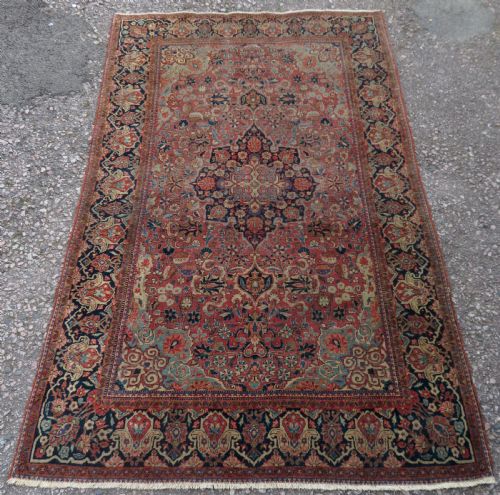
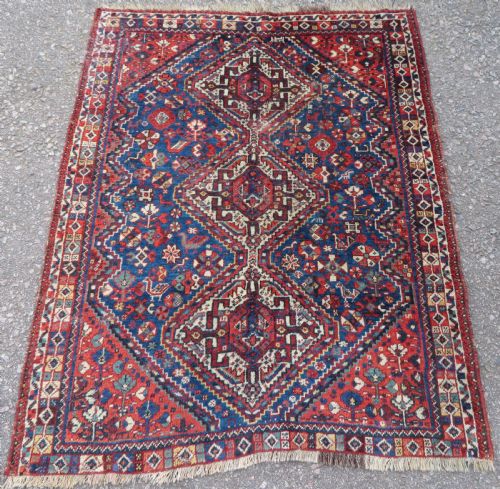
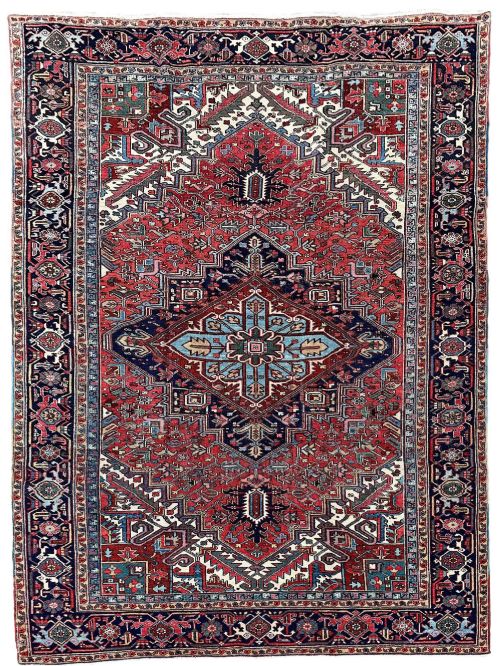
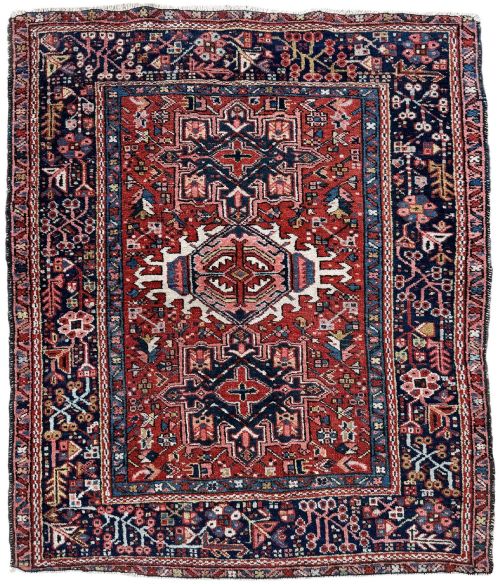
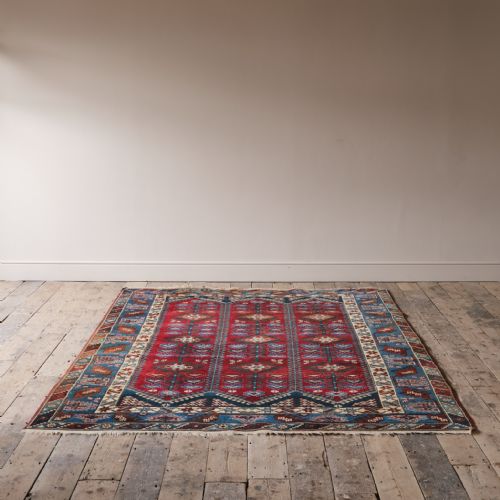
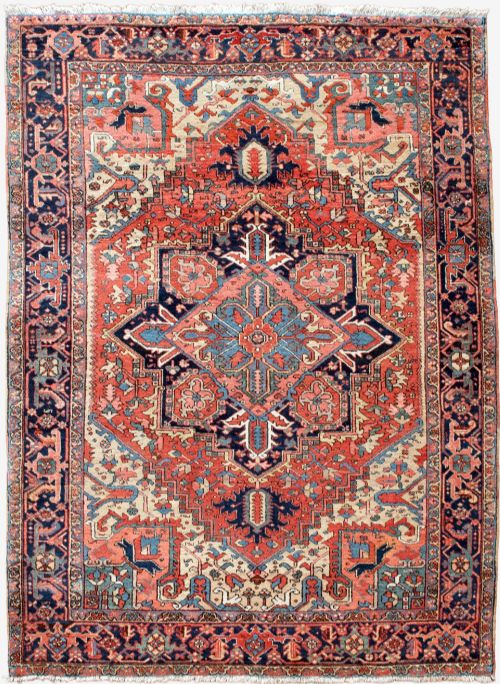
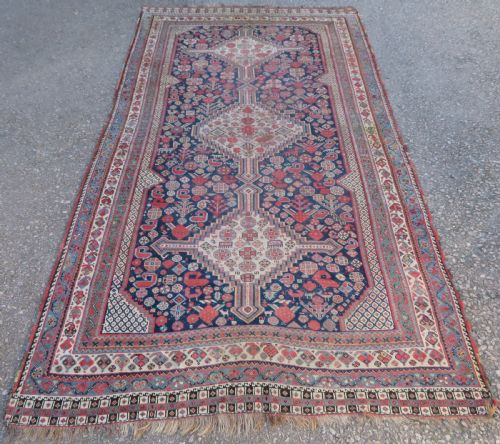
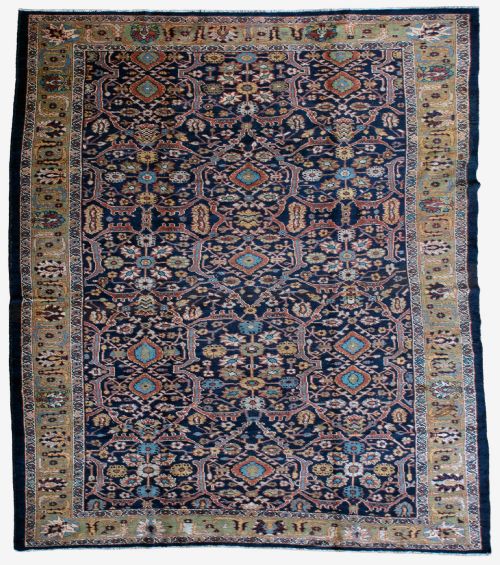
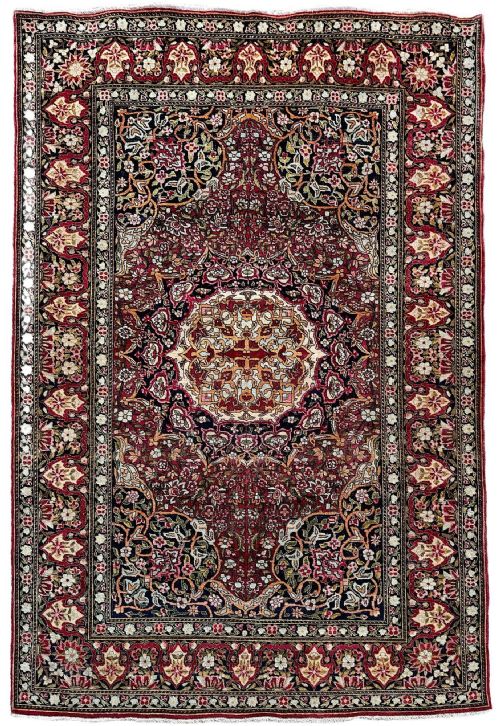
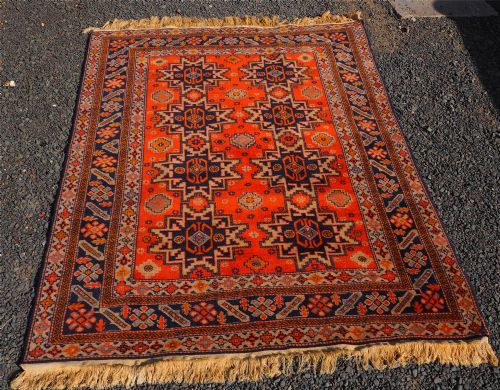
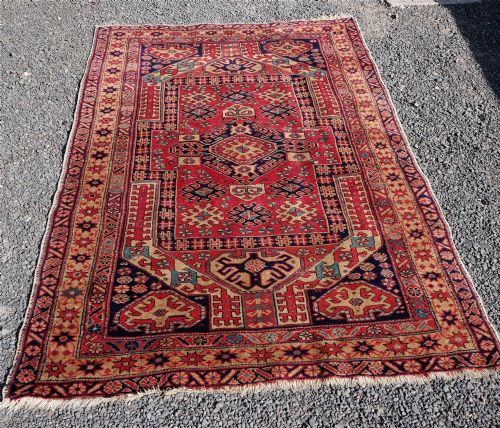
When searching for a traditional navy wool carpet, buyers encounter hand-knotted room-size carpets, runners, and smaller rugs originating from Persian and Caucasian weaving traditions. These floor coverings date from the nineteenth century through to the early decades of the twentieth century, encompassing periods such as 1850, 1900, and 1930.
The regional types represented on this page span Heriz, Mahal, Saroukh, Kurdish, Khamseh, Afshar, and Caucasian tribal workshops. While the search phrase specifies navy, the actual inventory includes pieces with diverse backgrounds, geometric medallions, and complex floral layouts executed in wool, hand-spun wool, cotton, and silk foundations.
Buyers are most likely to meet vintage and antique room-size carpets alongside hallway runners and area rugs. Each piece reflects the specific village or nomadic tribal identity of its maker, ranging from bold Kurdish long runners to finely knotted Isfahan and Fereghan carpets.
How they were made
These carpets and rugs were constructed using hand-knotted wool pile secured onto cotton, wool, or occasionally silk foundation warps and wefts. Weavers utilised hand-spun wool dyed with natural substances to create durable surfaces intended to withstand heavy foot traffic in country houses and town residences alike.
The structural integrity relies on dense knotting techniques handed down through generations of Persian and Caucasian tribal and workshop weavers. Loom setups varied from nomadic vertical frames to stationary village looms, dictating the tightness of the weave and the crispness of the geometric or floral patterns.
Listings feature pieces spanning the nineteenth century and the early decades of the twentieth century, utilising wool, hand-spun wool, cotton, and silk.
What varies in quality
Quality in these woven floor coverings rests on the density of the knotting and the preparation of the wool yarn. Tighter knots allow for sharper delineation of intricate geometric medallions and floral motifs, while superior hand-spun wool retains resilience and develops a softer sheen over decades of use.
The visual balance of the design, the consistency of the natural dye palette, and the structural straightness of the borders distinguish finer village and workshop pieces from simpler utilitarian tribal rugs. Foundation stability and even pile wear further separate standard room rugs from exceptionally fine antique carpets.
The Traditional Navy Wool Carpet Glossary
- Carpet
- A heavy woven fabric used for covering floors, typically larger in scale than a standard rug.
- Runner
- A long, narrow carpet format specifically proportioned for hallways, corridors, and stairs.
- Medallion
- A central ornamental motif, often geometric or floral, positioned in the middle of the field.
- Knot
- An individual loop of pile yarn tied around the warp threads to form the surface of the textile.
- Warp
- The vertical foundation threads stretched tightly on the loom before knotting begins.
Traditional Navy Wool Carpet: Frequently Asked Questions
Where should I place a runner rug?
Runners suit narrow spaces such as hallways, corridors, and gallery landings where length takes precedence over width.
They protect high-traffic wooden floors while adding warmth and traditional pattern to transitional domestic areas.
How do I care for a wool rug?
Regular gentle vacuuming without a rotating beater bar prevents dust accumulation within the wool pile.
Professional specialist cleaning remains essential for addressing deep-seated dirt and preserving natural fibre integrity.
What is a tribal rug?
Tribal rugs are woven by nomadic or village groups following traditional patterns rather than urban workshop designs.
These pieces often display spontaneous geometric motifs and expressive asymmetry reflecting maker heritage.
How can I tell the age of a carpet?
Age is assessed through dye analysis, material characteristics, structural wear patterns, and stylistic markers.
Nineteenth-century pieces typically exhibit hand-spun wool and natural dye palettes distinct from later twentieth-century production.