




Traditional Metal Candle Stick
These traditional metal candle stick selections bring genuine period weight and steady illumination to a room, offering tactile metal forms shaped by centuries of domestic use.
Traditional Metal Candle Stick
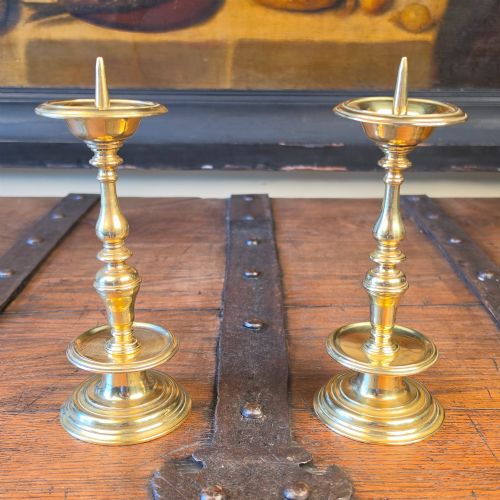
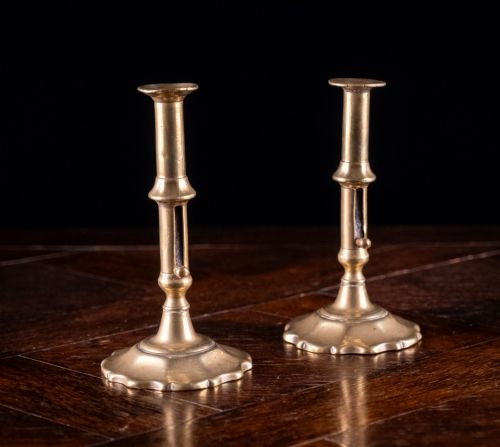
A traditional metal candle stick provides a solid domestic base for lighting, typically encountered in pairs fashioned from cast or sheet metals. The inventory centres heavily on domestic lighting fixtures designed for tables, mantelpieces, and occasionally floor standing use.
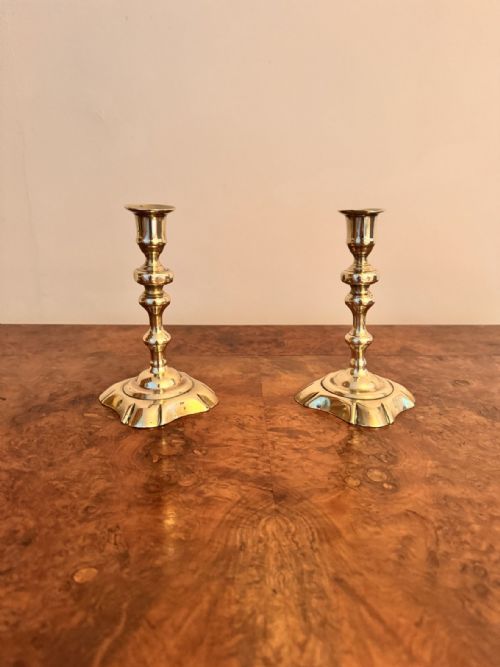
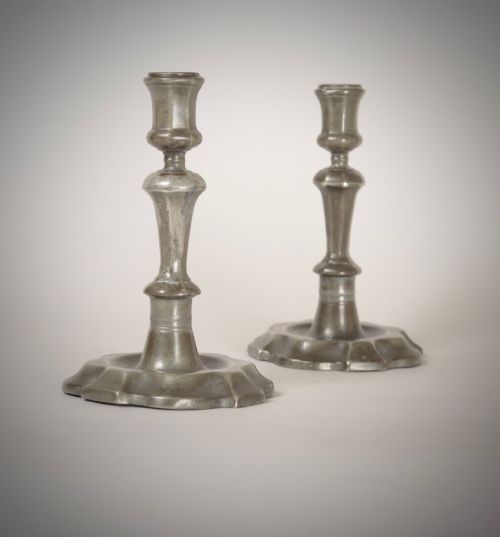
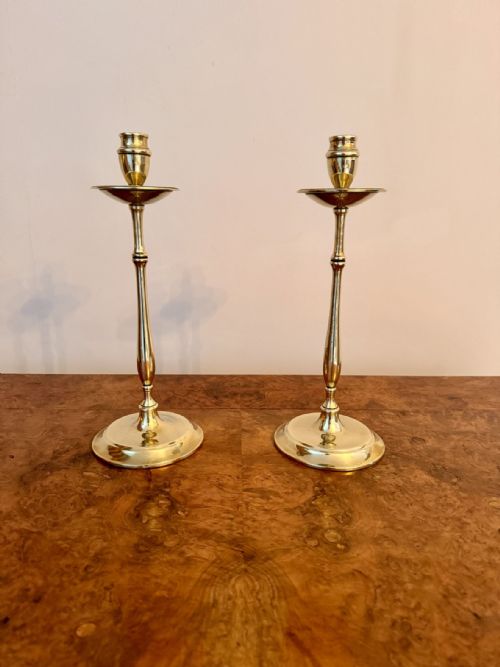
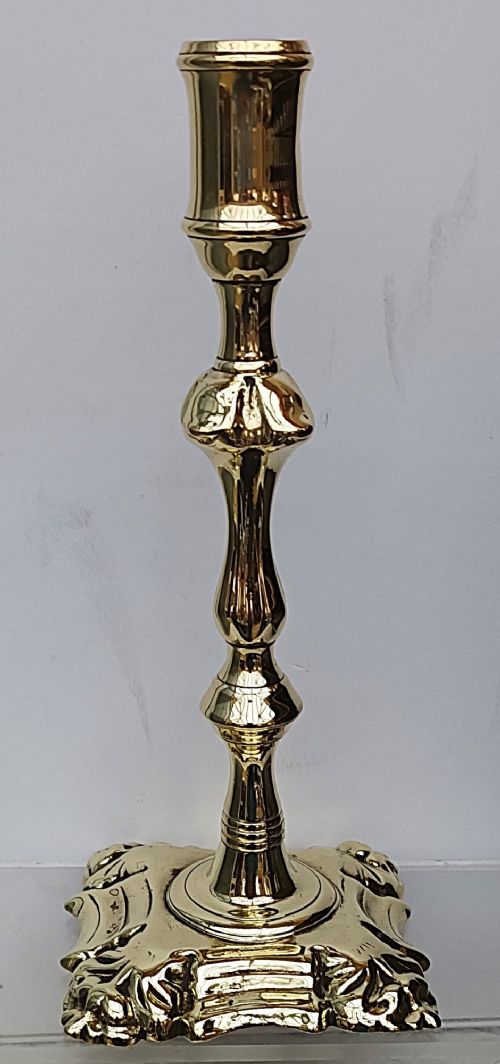
The selection spans numerous eras, with brass dominating the offerings alongside pewter, silver plate, and wrought iron. Forms range from simple Georgian and Queen Anne baluster shapes to taller Victorian and Edwardian pairs, reflecting shifts in interior lighting needs over time.
Buyers will find both genuine period examples from the seventeenth, eighteenth, and nineteenth centuries alongside later revivals. These objects served essential daily functions before the arrival of gas and electric lighting, retaining their structural purpose today.
Materials and construction
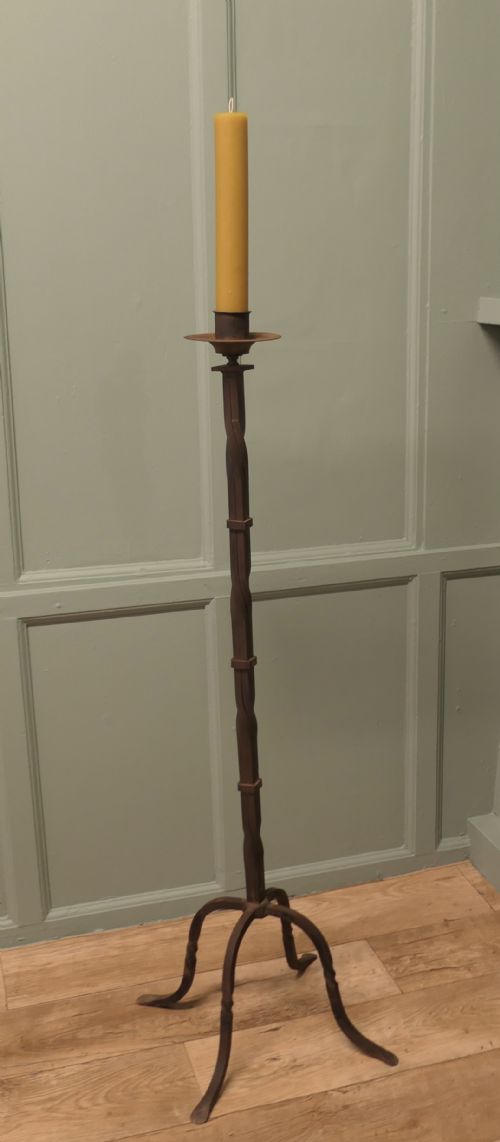
Makers utilised brass as the primary medium, shaping metal through casting, turning on lathes, and employing seamed construction methods for hollow forms like ejector candlesticks. Pewter and silver plate provide alternative metallic surfaces, while wrought iron appears in heavier blacksmith-made floor stands.
Construction techniques evolved from early multi-piece cast sections threaded or pegged together to mid-eighteenth-century seamed methods where sheet brass was folded and joined. Surface finishes range from polished brass and silver plating to the dark, textured patina of hand-forged iron and aged pewter.
Traditional Metal Candle Stick Retail Price Guide 2026
Typical asking prices for traditional metal candle stick among the pieces listed under this phrase on Sellingantiques today, from the lower quarter to the upper quarter. They describe what is for sale here now, not the wider market.
An ejector mechanism inside mid-eighteenth-century brass sticks solved the age-old annoyance of digging stubborn wax stubs out with a knife.
Distinctions in quality
The merit of a piece rests in the crispness of its casting detail, the weight of the metal utilised, and the integrity of its original proportions. Heavier castings with well-defined sconces, drip pans, and stepped bases indicate superior workshop standards.
Proportion and symmetry separate standard utility items from finer examples, particularly in matched pairs where balanced turning and uniform height are essential. The presence of makers' marks or specialised mechanisms, such as working ejector plates, adds discernible merit.
Barker Ellis·J.T. and Co
The Traditional Metal Candle Stick Glossary
- Baluster
- A turned column shape with a swollen lower portion, commonly seen in the stems of seventeenth and eighteenth century brass candlesticks.
- Ejector
- A concealed internal mechanism featuring a small sliding button that pushes a stuck candle remnant up and out of the socket.
- Sconces
- The upper cup or nozzle of the candlestick designed to hold the base of the candle firmly in place.
- Seamed
- A method of construction where sheet metal is bent and joined down the side to form a hollow stem or base.
- Wrought iron
- Iron beaten and shaped by hand while hot over an anvil, producing a textured, durable structure distinct from cast metal.
Traditional Metal Candle Stick: Frequently Asked Questions
How do I spot a reproduction?
Examine the weight, casting seams, and surface wear patterns. Modern copies often feel lighter and lack the tool marks or natural oxidation found on period brass and iron.
Look closely at the underside and socket junctions, where hand-finished details and older assembly methods provide clear clues to genuine age.
Why do they usually come in pairs?
Georgian and Victorian dining and drawing room etiquette dictated balanced lighting arrangements on mantelpieces, sideboards, and dining tables. Candlesticks were manufactured and sold as matched pairs to fulfil this symmetrical requirement.
Finding a surviving matched pair preserves the intended decorative harmony of the original setting.
How should I clean antique metal?
Gentle dusting with a soft cloth is usually sufficient to maintain the surface without removing the accumulated patina of age. Avoid harsh chemical polishes that strip away historical character and the dark oxides in recessed details.
If cleaning is necessary for brass, use a mild, non-abrasive cleaner specifically formulated for historic metalwork.