

Traditional Metal Bed
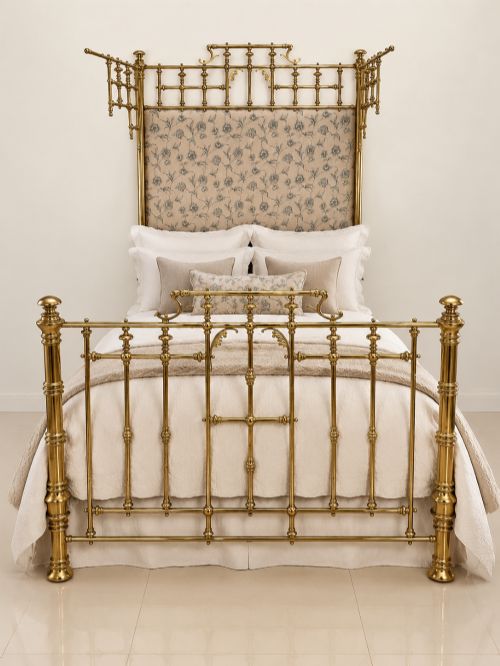
A traditional metal bed offers the enduring structural strength of cast and wrought iron paired with warm brass details.
Traditional Metal Bed
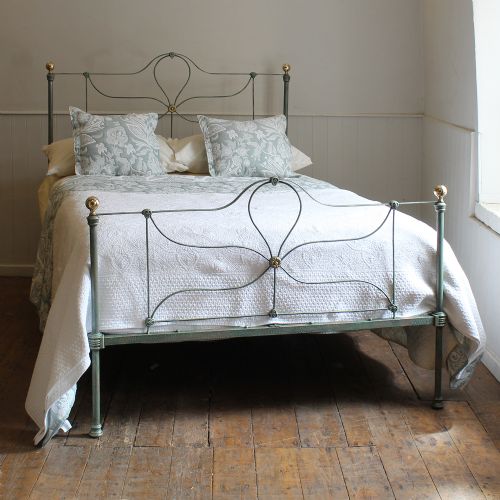
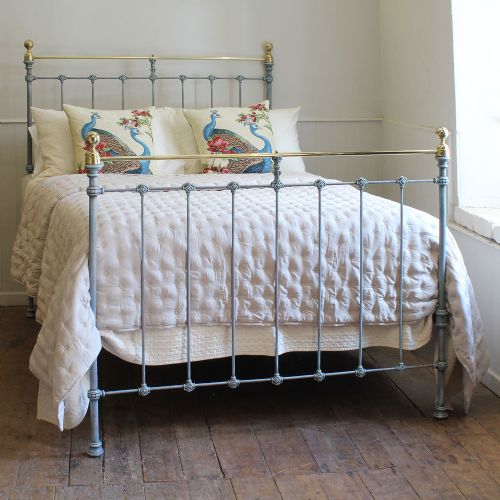
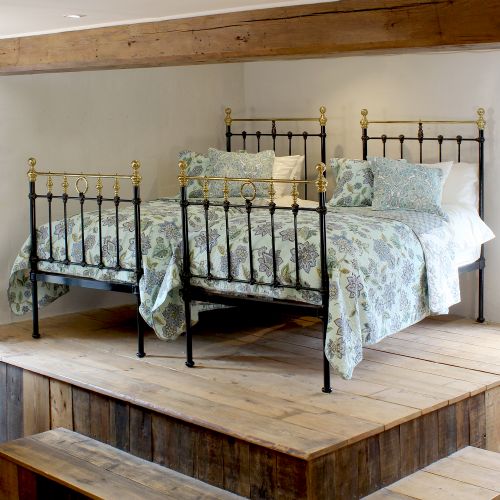
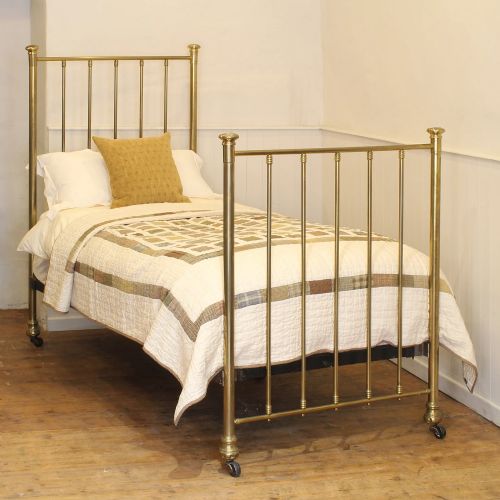
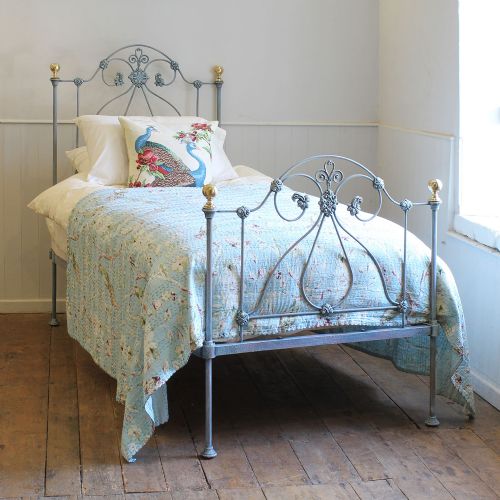
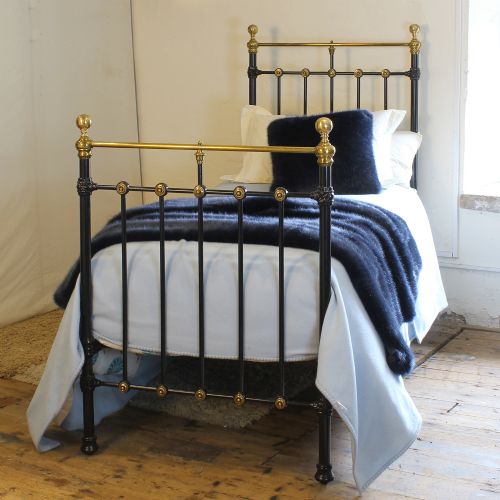
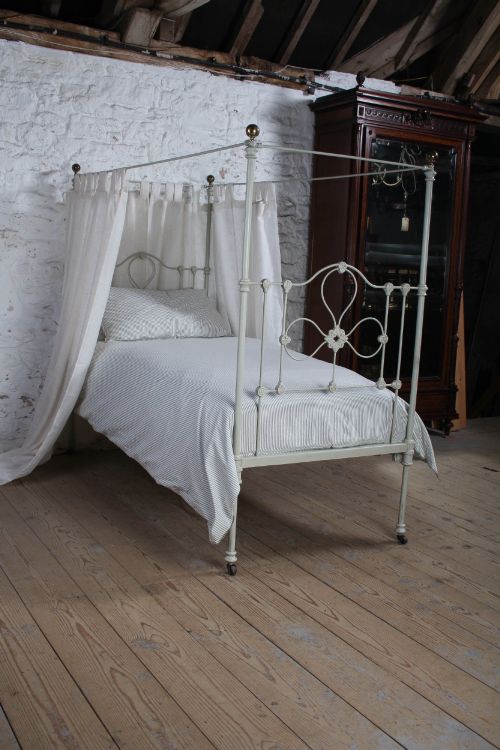
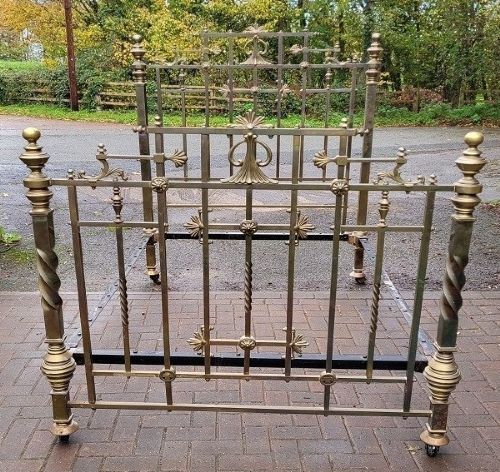
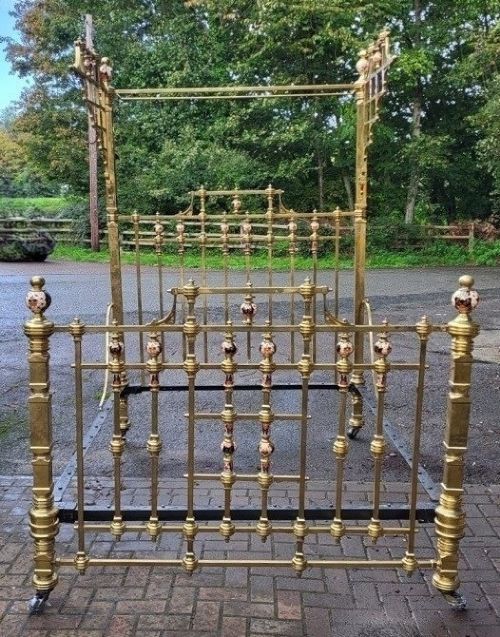
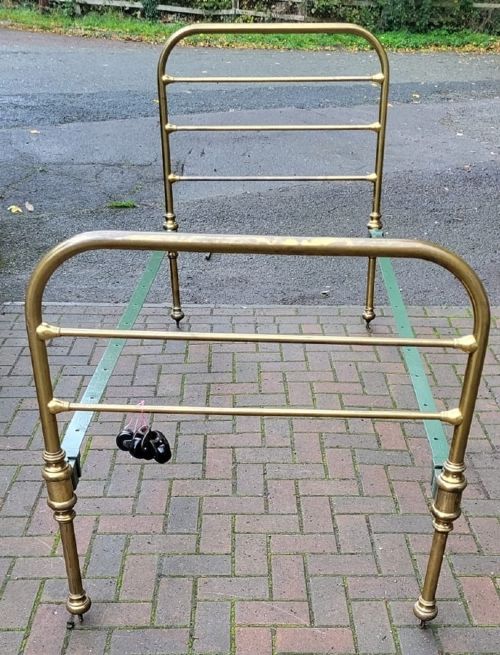
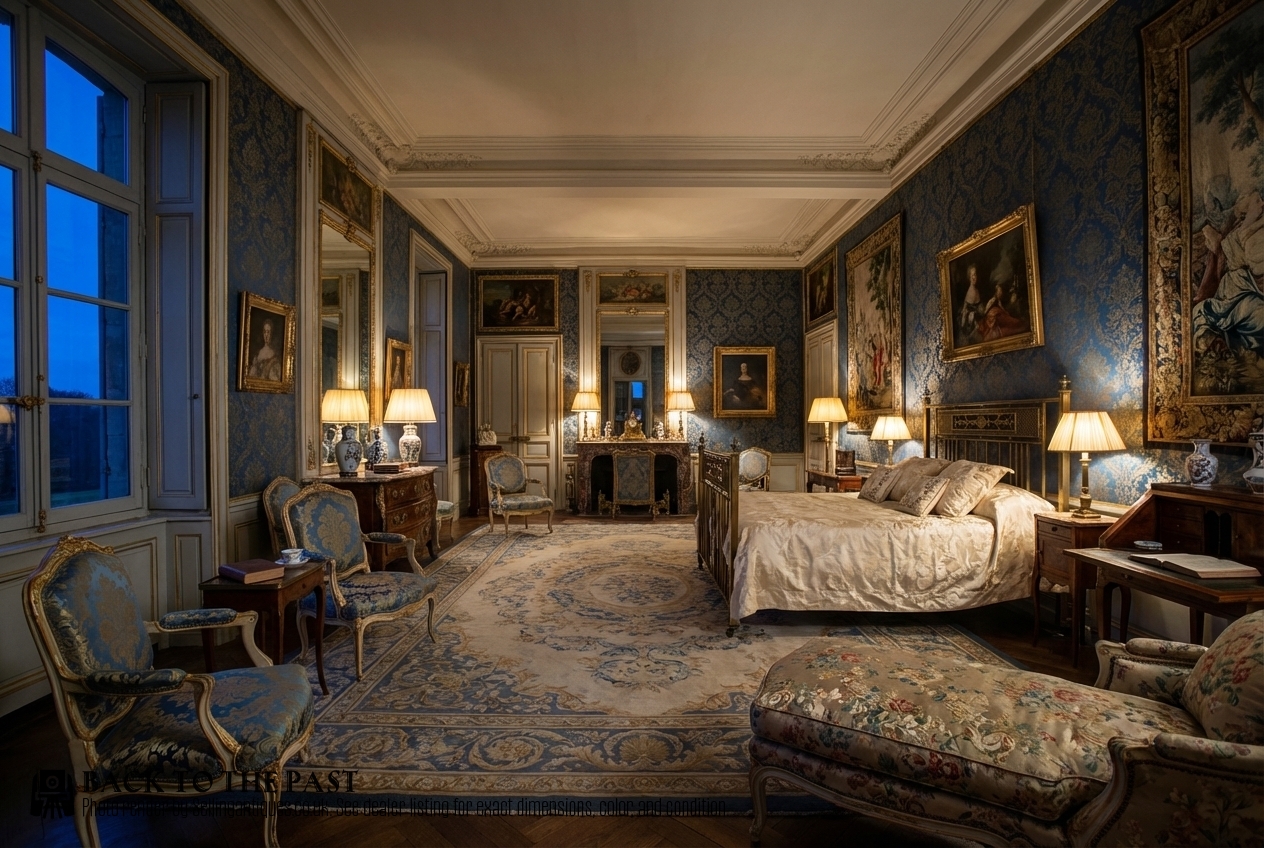
A traditional metal bed is a sturdy piece of bedroom furniture built primarily during the Victorian and Edwardian eras, spanning the nineteenth and early twentieth centuries. These pieces appear in single, double, king, and super king sizes, often configured as bedsteads or half tester frames with integrated iron slot in frames set on castors.
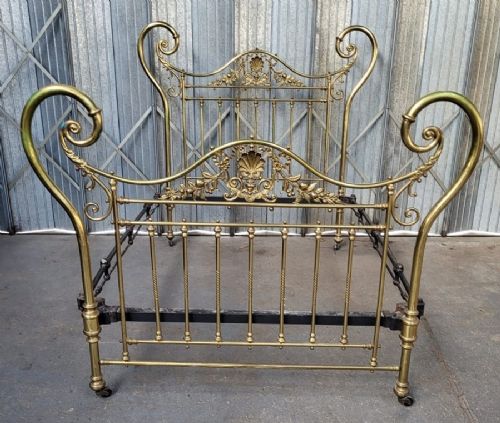
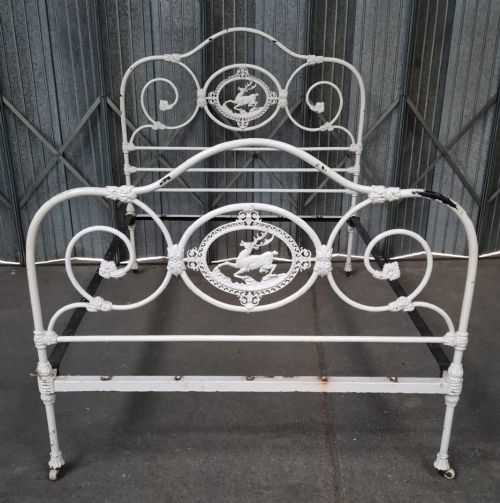
The most common examples on this page are Victorian brass and iron combinations, alongside French styles and simpler all iron frames. Buyers seek these beds for their robust construction and distinct period character, which ranges from plain utilitarian forms to ornate Gothic Revival and Celtic designs.
Materials and construction methods
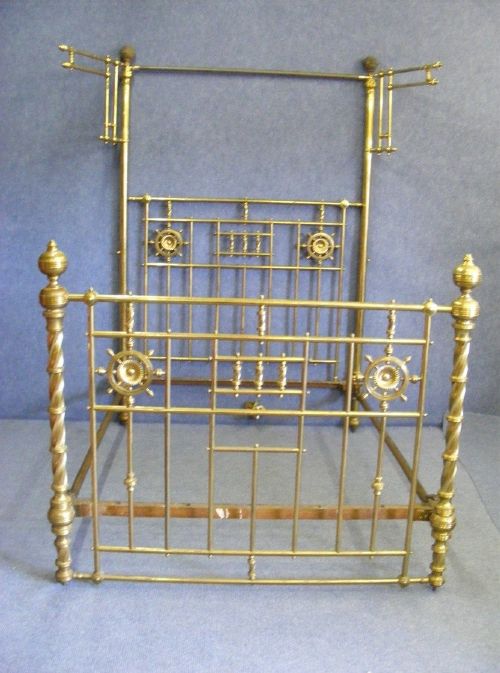
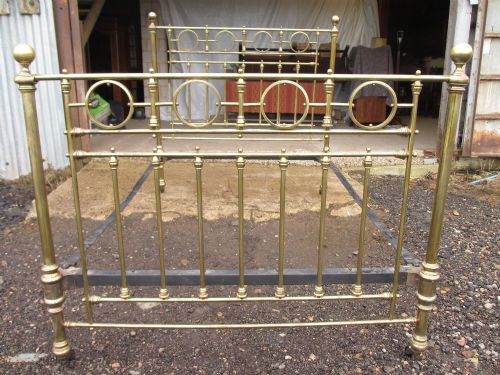
Makers constructed these frames using heavy cast iron and wrought iron for structural integrity, combined with bright brass tubes, spindles, and decorative caps. Many incorporate detailed brass castings, ceramic elements, or mother of pearl accents set into the metalwork.
Joints typically rely on iron slot in mechanisms that allowed the headboards, footboards, and side rails to dismantle easily. Frames frequently rest upon small castors to ease movement across wooden or carpeted floors.
Listings feature periods from eighteen sixty through nineteen ten, utilising brass, cast iron, wrought iron, and ceramic elements.
Distinguishing quality in period metal frames
Quality in a traditional metal bed rests on the crispness of the brass castings and the weight of the iron components. Exhibition quality pieces display finer detail in their ornamental mounts and more substantial tubing.
Makers marks stamped into the iron provide a reliable indicator of superior workshop output, distinguishing standard commercial production from the work of notable firms.
Winfield·Maple and Co·Hoskins and Sewell
The Traditional Metal Bed Glossary
- Half Tester
- A bedstead featuring a short canopy extending only partway over the head of the bed rather than covering the full length. This style often supports drapery to frame the pillow area.
- Dip Rail
- A footboard or headboard top rail that curves downward in the centre. This shaping provides a softer visual profile than a straight horizontal bar.
- Castings
- Decorative metal ornaments shaped in a mould and fixed to the structural posts or rails. They add ornamental depth to plain iron and brass frames.
- Bedstead
- A framework of metal or wood designed to support a mattress and springs. In historical listings, the term specifically designates the complete structural skeleton rather than just the headboard.
Traditional Metal Bed: Frequently Asked Questions
Will modern mattresses fit these antique beds?
Most traditional metal beds accommodate standard modern mattress sizes, though historical dimensions can vary slightly from contemporary standards.
Buyers should verify the internal length and width of the side rails before purchasing a mattress.
How do these beds dismantle for transport?
The side rails hook directly into slots cast into the headboard and footboard posts, secured by gravity and wedge joints.
Lifting the rails upward releases them entirely without requiring complex tools.
Can single beds be joined together?
Certain pairs of single iron or brass beds are manufactured with compatible frames that can be positioned side by side.
This configuration creates a wider sleeping surface while preserving the original single proportions.
How do I distinguish Victorian from Edwardian frames?
Victorian frames typically display heavier castings, more ornate decoration, and bolder brass elements in styles like Gothic Revival.
Edwardian examples tend toward simpler profiles, lighter proportions, and cleaner lines influenced by French design.