
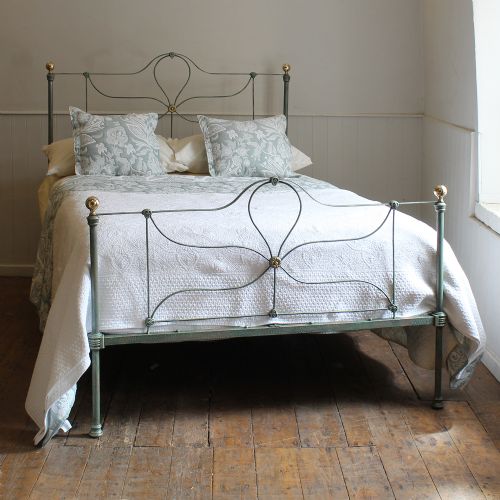
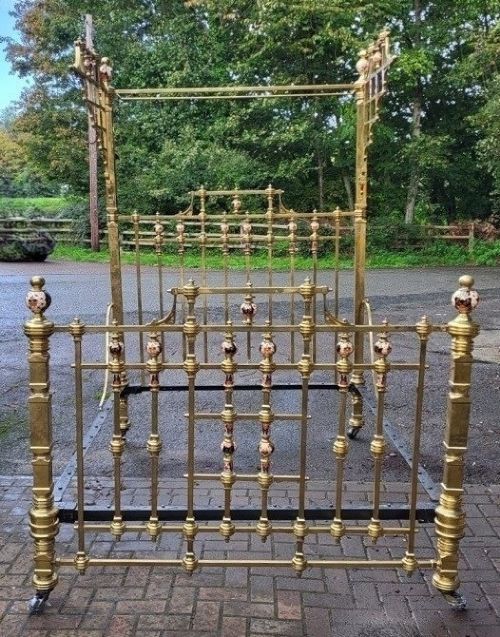
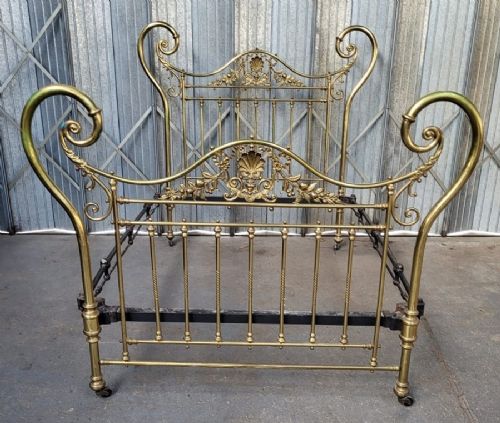

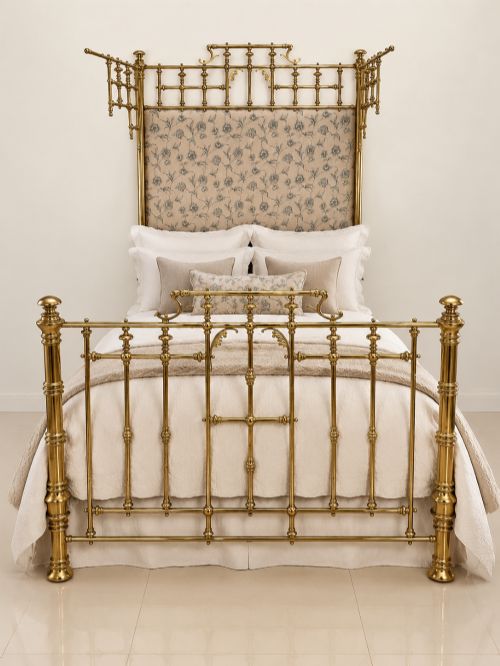
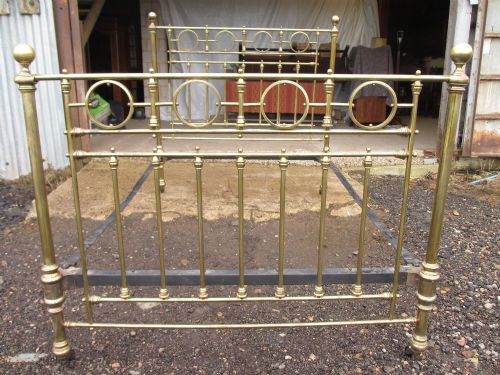
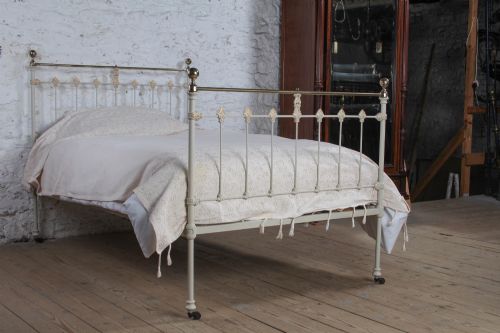

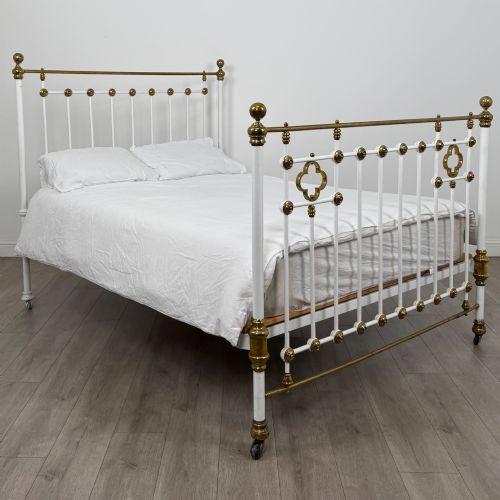
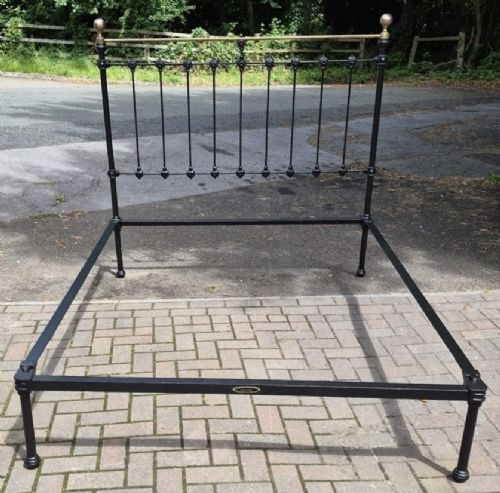
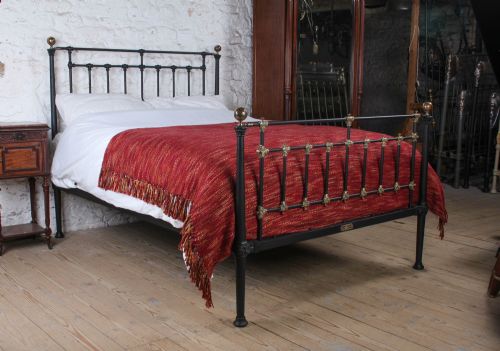
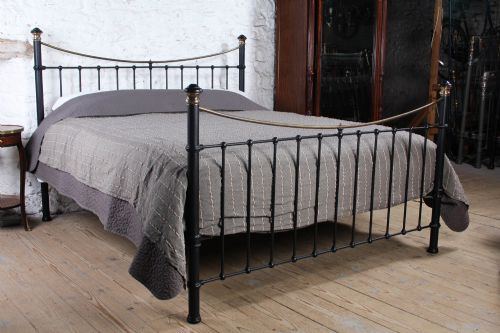
Cast Brass Headboard
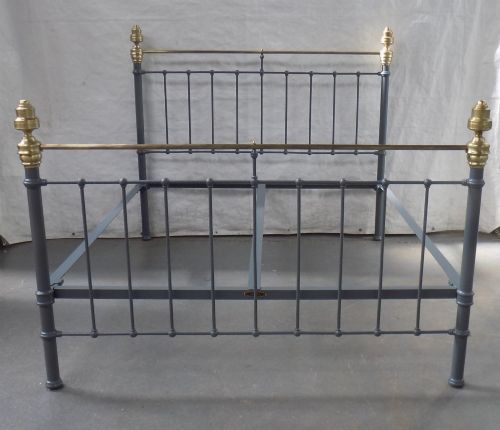
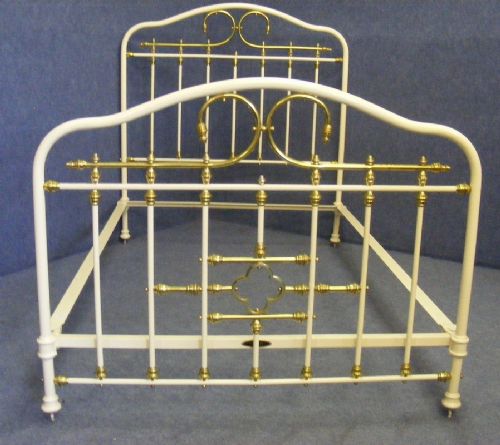
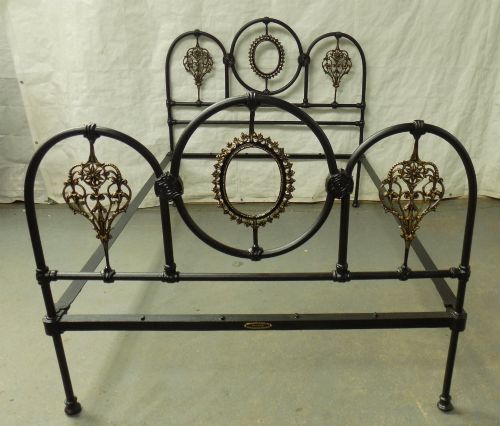
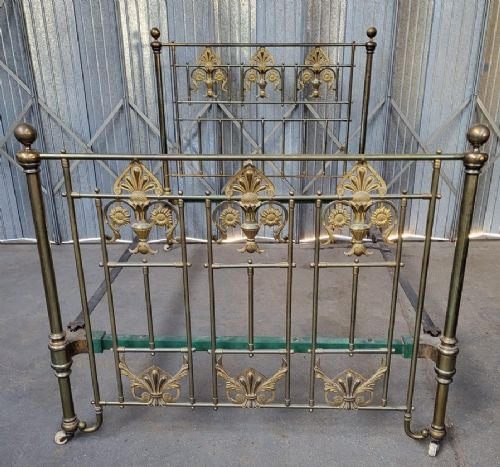
These cast brass headboard options bring solid nineteenth-century presence to a bedroom, combining heavy structural metals with warm polished alloy.
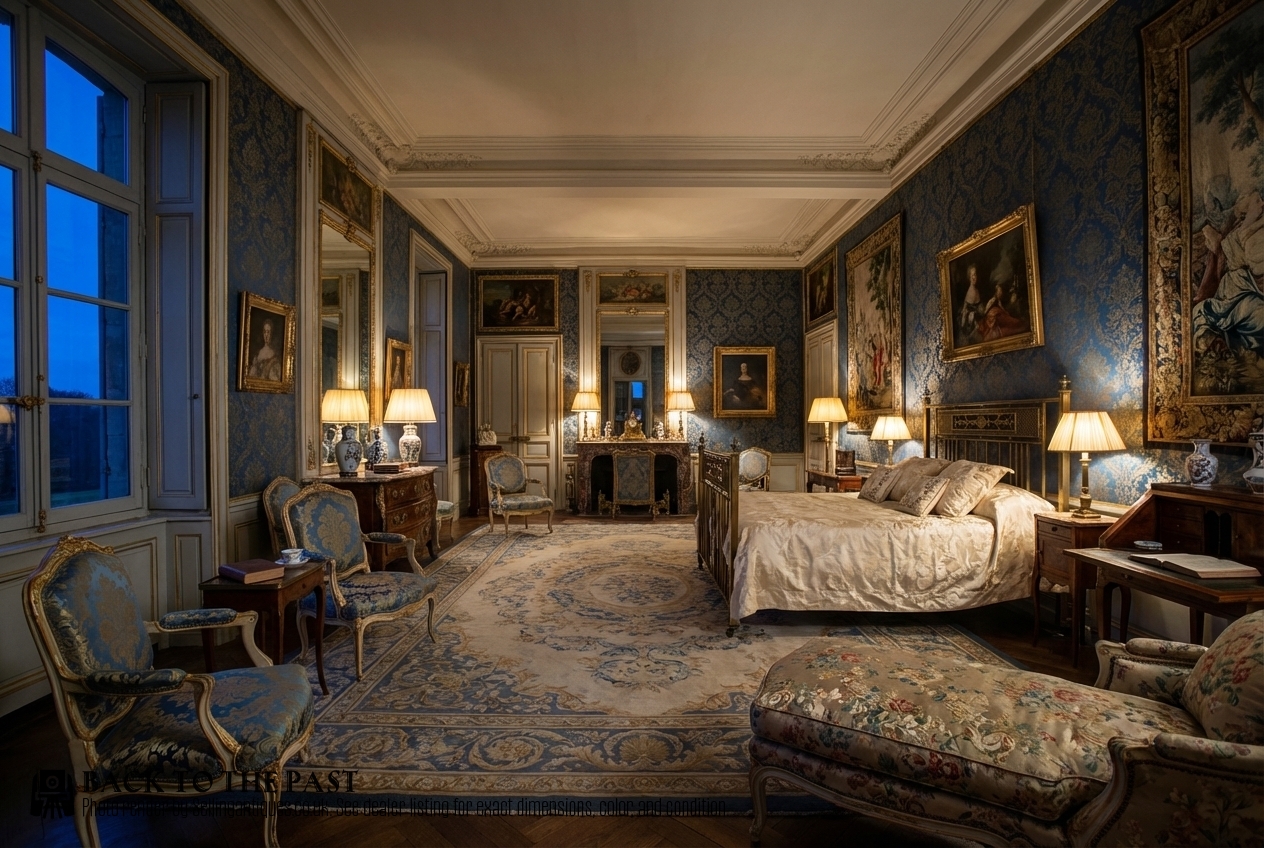
Cast Brass Headboard
A cast brass headboard typically forms part of a larger nineteenth-century bedstead or bed frame originating from the Victorian and Edwardian eras. Buyers searching for this phrase encounter solid brass and mixed metal frames featuring ornamental castings, distinct rail configurations, and period proportions.
The selections span standard double, king, and super king sizes alongside specialised half tester frames and French styles. Most examples date from the mid-nineteenth century through to the early twentieth century, reflecting the industrial manufacturing methods of the period.
Makers and manufacturers such as Winfield and Maple and Co. appear among the larger scale brass and iron combinations. These pieces range from simple straight rail formats to ornate exhibition quality constructions with tapered posts and detailed embellishments.
Materials and construction
Makers combined cast brass components with structural iron or wrought iron frames to achieve both decorative warmth and rigid support. Brass tubing and cast brass fittings were mounted onto iron slot-in frames, often fitted with castors for mobility.
Surface treatments included polished solid brass alongside painted iron finishes in ivory and black. Certain pieces incorporate ceramic details, fabric elements, and specialised tapering on the bed posts to elevate the visual detail of the metalwork.
Listings feature Victorian and Edwardian periods using brass, cast iron, and ceramic elements.
Evaluating the craftsmanship
Quality reveals itself in the weight and crispness of the brass castings, where finer examples display sharp relief work and substantial gauge metal rather than thin plating. The integration between the brass decorative elements and the underlying iron structural frame dictates the overall rigidity of the piece.
Exhibition quality pieces demonstrate superior finishing on the joints and more complex decorative programs, such as the elaborate half tester tester canopies or intricate Aesthetic Movement motifs. Maker attribution to established firms like Winfield or Maple and Co. also indicates a higher standard of period manufacturing.
R W Winfield·Maple and Co.
The Cast Brass Headboard Glossary
- Half Tester
- A bedstead featuring a partial canopy extending only over the head end of the bed. This form often employs rich brass and iron work to support decorative drapery.
- Dip Rail
- A top rail on a bed head or foot that curves downward toward the centre. This Edwardian and Victorian configuration softens the overall silhouette of the metal frame.
- Castor
- A small wheel mounted on the base of the bed legs to facilitate movement. These are frequently integrated into iron and brass frames from the nineteenth century.
- Aesthetic Movement
- A late nineteenth-century design style emphasising visual beauty over narrative subject matter. Pieces from this movement often display refined geometric or naturalistic brass detailing.
- Bedstead
- A framework of a bed supporting the mattress and springs. The term encompasses both the head and foot boards along with the connecting side rails.
Cast Brass Headboard: Frequently Asked Questions
How do I measure for a bedstead?
Check the internal width and length against standard mattress sizes before purchase, noting that antique dimensions can occasionally vary from modern manufacturing standards.
Account for the exterior post-to-post measurements and the overall height of the head section to ensure clearance within your specific room layout.
Are these beds easy to assemble?
Most period frames utilise slot-in iron side rails that wedge securely into the head and foot castings without requiring complex modern hardware.
Having two people manage the heavy metal components ensures the joints seat correctly during the setup process.
How do I care for antique brass?
Maintain the surface by dusting with a soft dry cloth and avoiding harsh chemical polishes that can strip patination from the vintage metal.
Preserving the original mellow tone of nineteenth-century brass keeps the material looking authentic to its period of manufacture.
How do I date a brass bed?
Examine the construction methods, joint types, and stylistic indicators such as Aesthetic Movement motifs or dip rail profiles characteristic of Victorian and Edwardian production.
Maker stamps or stamps on the iron framework can also provide specific chronological markers from active nineteenth-century workshops.