





Traditional Marble Side Tables
Traditional marble side tables bring enduring stone surfaces and carved frames into a room.
Traditional Marble Side Tables
Traditional marble side tables combine heavy stone tops with sturdy wooden or brass frames, originating mostly from the nineteenth and early twentieth centuries. These pieces encompass various forms such as bedside tables, centre tables, plant stands, and occasional tables.
The versions most commonly met on this page include nineteenth-century Chinese hardwood and marble designs alongside Edwardian and Italian examples. Makers utilised durable materials to create functional furniture that served both decorative and practical purposes in period interiors.
Buyers examining traditional marble side tables encounter a mix of regional styles, including Chinese Qing Dynasty carvings, Anglo-Indian inlays, and classical revival motifs. Each piece reflects the aesthetic preferences and craftsmanship of its specific era and origin.
How they were made
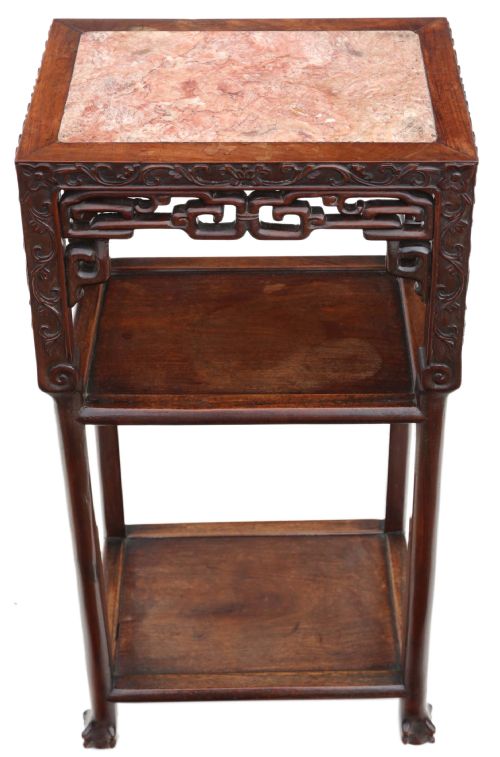
Makers constructed the supportive frames using dense hardwoods, mahogany, and brass, often employing intricate carving techniques on pieces like Chinese Qing Dynasty hall furniture and plant stands. These wooden elements provided the structural integrity required to support heavy stone surfaces.
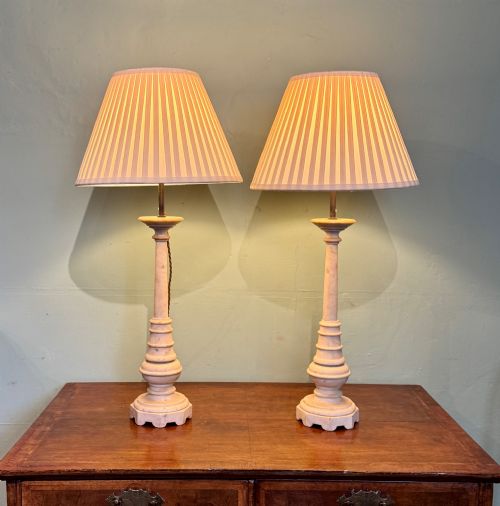
Surfaces incorporated solid marble, alabaster, and inlaid stone work, as seen in Kashmir chess tables and Italian table lamps. Artisans shaped and polished these mineral materials to highlight natural veining and create smooth, durable tops.
Additional decorative details involved mother-of-pearl inlay, fabric accents, and glass components, which were integrated into the frames and lighting fixtures to enhance visual contrast.
Traditional Marble Side Tables Retail Price Guide 2026
Typical asking prices for traditional marble side tables among the pieces listed under this phrase on Sellingantiques today, from the lower quarter to the upper quarter. They describe what is for sale here now, not the wider market.
The listings here feature nineteenth-century and Edwardian pieces, incorporating materials such as marble, hardwood, alabaster, and mother-of-pearl.
What varies in quality
The depth and precision of the carving on the wooden frames distinguish superior examples from simpler ones, particularly in nineteenth-century Chinese hardwood and carved hall furniture. Crisp, deep relief work indicates a higher standard of craftsmanship than shallow or machine-cut detailing.
The selection and preparation of the stone top also determine the overall standard, with finely figured marble and carefully fitted alabaster commanding greater attention. The seamless integration between the stone slab and the supporting wooden structure reveals the maker's skill.
The Traditional Marble Side Tables Glossary
- Hardwood
- Dense timber derived from deciduous trees, utilised for the structural frames of nineteenth-century furniture. It provides the strength needed to support heavy stone tops.
- Alabaster
- A fine-grained, translucent stone often used for carved table lamps and decorative objects. It shares a similar appearance to marble but transmits light more readily.
- Qing Dynasty
- The final imperial dynasty of China, spanning from the seventeenth to the early twentieth century. Pieces from this period often feature elaborate carved woodwork.
- Neoclassical
- A style inspired by the classical art and architecture of ancient Greece and Rome. It frequently appears in European side tables and revival designs.
- Inlay
- A decorative technique where contrasting materials such as marble, mother-of-pearl, or brass are embedded into the surface of a wooden base.
Traditional Marble Side Tables: Frequently Asked Questions
How do I date a traditional marble side table?
Dating these tables relies on examining the construction methods of the wooden frame, the style of the carving, and the specific type of marble used. Nineteenth-century pieces often display hand-cut joinery and dense hardwoods characteristic of the period.
Changes in design motifs, from classical revival to Qing Dynasty carvings, also help narrow down the decade of manufacture. Comparing the hardware and secondary woods provides further clues to a table's exact age.
Where were these tables placed originally?
These tables served various functions throughout nineteenth and early twentieth-century homes, acting as bedside surfaces, plant stands, or centre tables in formal reception rooms. Smaller versions held lighting or display items in parlours and hallways.
Washstands and games tables fulfilled specific domestic duties in bedrooms and drawing rooms. Their sturdy construction allowed them to handle daily use while adding a decorative element to the interior.
How do I care for a marble top?
Maintaining a stone surface involves wiping spills promptly with a damp cloth and mild soap to prevent staining. Avoid acidic cleaners or abrasive materials that can dull the polished finish over time.
Using coasters and protective pads under heavy objects helps preserve the stone. Regular dusting keeps the carved wooden frames and marble in stable condition.
What is the difference between marble and alabaster?
Marble is a metamorphic rock formed from recrystallised carbonate minerals, known for its distinct veining and durability. It provides a heavy, solid surface for tables and architectural elements.
Alabaster is a softer, finer-grained stone that can be translucent, making it popular for table lamps and decorative carved objects. It requires more gentle handling due to its susceptibility to scratching.