




Traditional Male Portrait Art
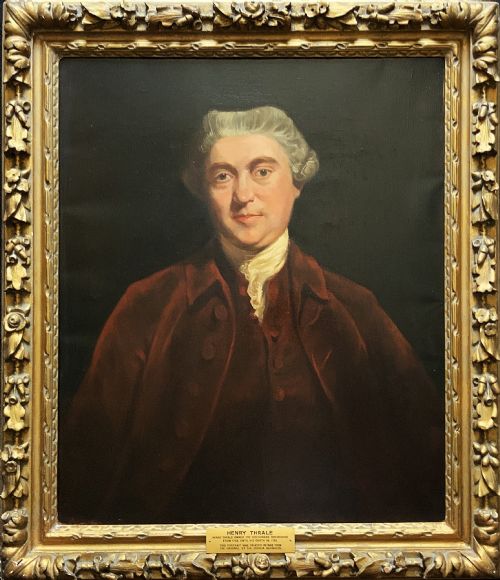
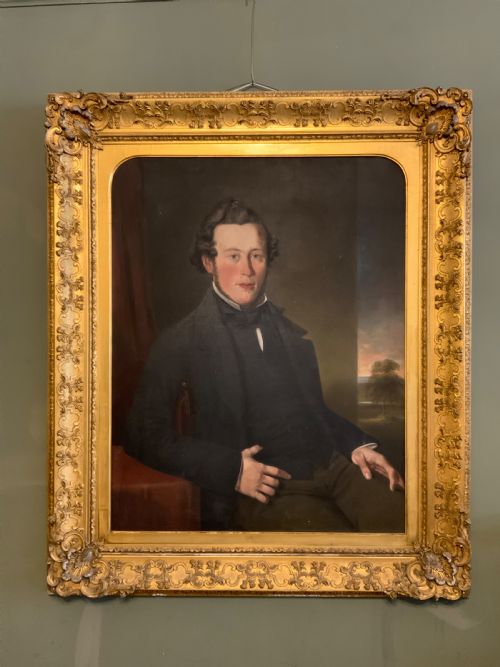
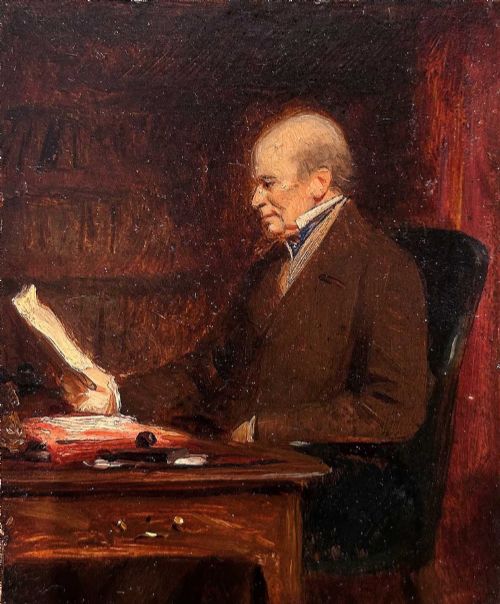
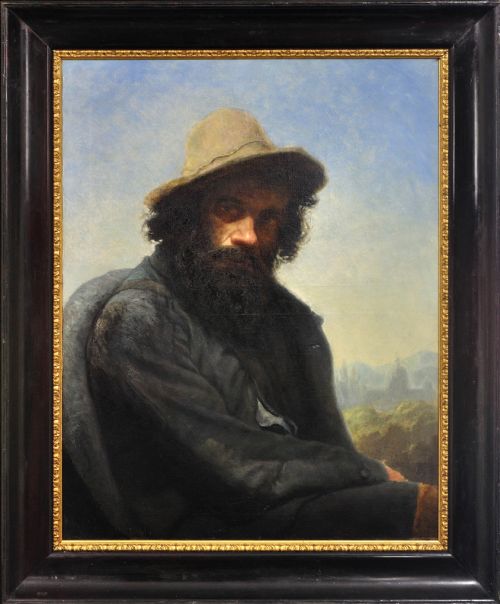
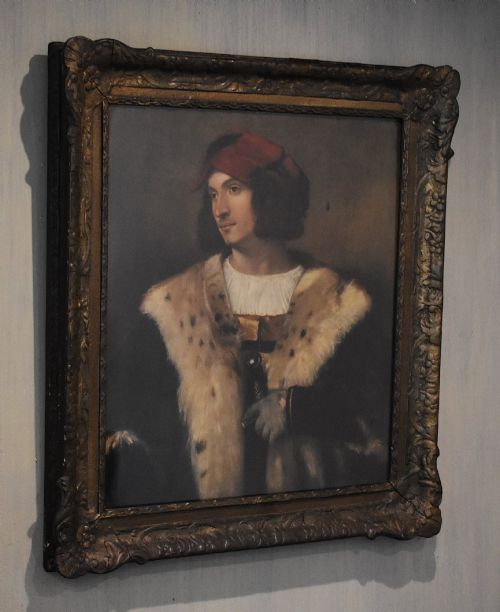
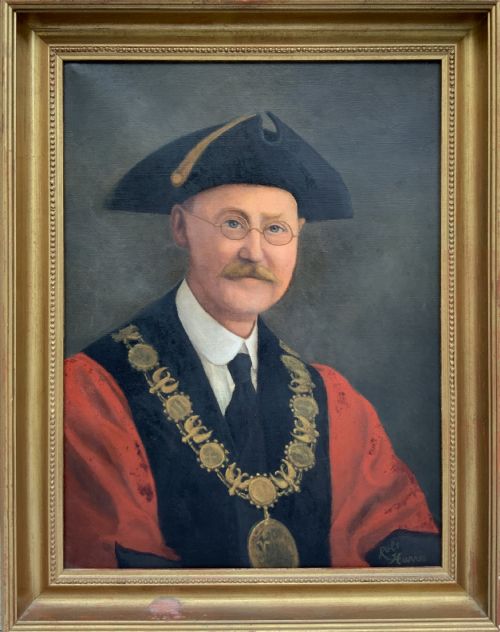
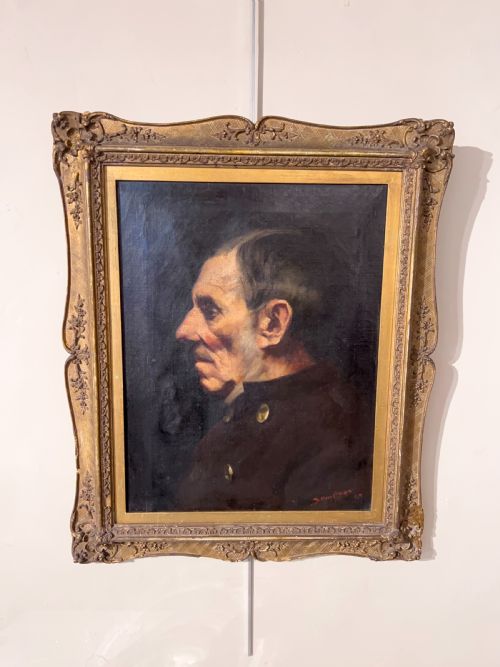
Traditional male portrait art captures the presence of earlier gentlemen through oils on canvas, wood panels and watercolours framed in giltwood.
Traditional Male Portrait Art
Traditional male portrait art comprises painted likenesses of gentlemen, physicians, mayors and peers spanning from the seventeenth century through to the mid-twentieth century. The selection on this page relies heavily on oil paintings on canvas alongside select watercolours.
Most examples depict seated or standing subjects in formal attire, ranging from Regency frock coats to Victorian black tie. Works originate from British, continental and regional studios, often recording the specific status or profession of the sitter.
Materials and technique
Painters applied oil paint directly to stretched canvas or prepared wood panels, building depth through layered glazes and opaque pigments. Watercolours on paper appear alongside these oil works for more intimate studies.
Finished canvases sit within heavy wooden frames, frequently finished in giltwood or gold leaf to complement the dark tones of the subject's attire.
Mediums include both oil on canvas and delicate watercolours housed in period wooden frames.
Evaluating the works
Quality rests in the handling of light across the sitter's face and hands, distinguishing competent studio production from accomplished portraiture. The precision of facial expression and the treatment of fabric folds define the success of each piece.
Provenance and attribution elevate certain works, particularly where archival inscriptions or known exhibition histories connect the canvas to a documented artist or sitter.
Stephen Pearce·Albin Mattenheimer·Bertram Priestman·John Hamilton Mortimer·Michael Dahl·George Hayter·Arthur Spooner·John Phillip
The Traditional Male Portrait Art Glossary
- Canvas
- A heavy woven fabric stretched across a wooden stretcher to act as the primary support for oil paint.
- Giltwood
- Timber carved and coated with a thin layer of gold leaf or metallic gilt, commonly found on period frames.
- Provenance
- The documented history of ownership that traces a painting from its creation to the present day.
- Regency
- A style period spanning the early nineteenth century defined by classical restraint and tailored gentlemanly fashion.
- Oil paint
- A slow-drying medium made by mixing pigments with vegetable oils, allowing smooth blending and rich tonal depth.
Traditional Male Portrait Art: Frequently Asked Questions
How do I date a portrait?
Dating relies on the sitter's clothing, hairstyle and collar shape, which shifted noticeably between the Georgian, Regency and Victorian eras.
Stretcher construction, canvas stamps and inscriptions on the reverse of the wood or canvas provide additional clues to the year of creation.
What subjects appear most often?
The works predominantly feature identifiable gentlemen, doctors, military officers and civic leaders depicted from the chest up or as three-quarter length figures.
These subjects reflect the social standing of individuals who commissioned or preserved painted likenesses during their lifetimes.
Are these paintings restored?
Many older canvases show evidence of past conservation work, including relining, cleaning or touch-ups to stabilise the oil paint.
Such interventions help preserve the structural integrity of the fabric and the clarity of the underlying pigments.
How should I display them?
Oil portraits require stable indoor humidity away from direct sunlight to protect both the canvas support and the delicate oil layers.
Their substantial giltwood frames are designed for prominent wall mounting in studies, libraries or living rooms.