


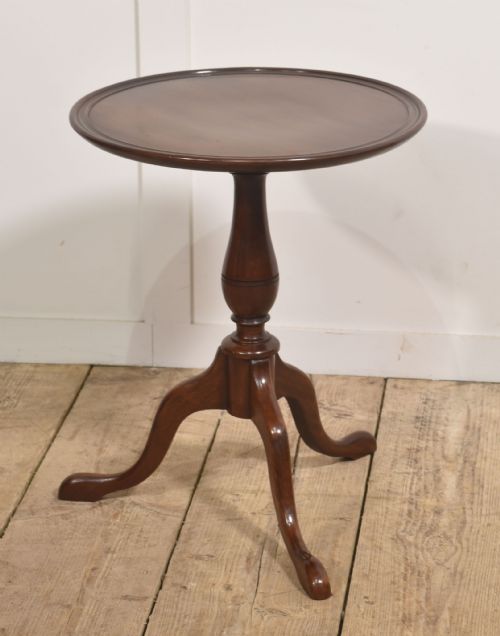

Traditional Mahogany Wine Stand
A traditional mahogany wine stand brings refined small-scale furniture into a room, offering a stable surface for glasses or lamps.
Traditional Mahogany Wine Stand
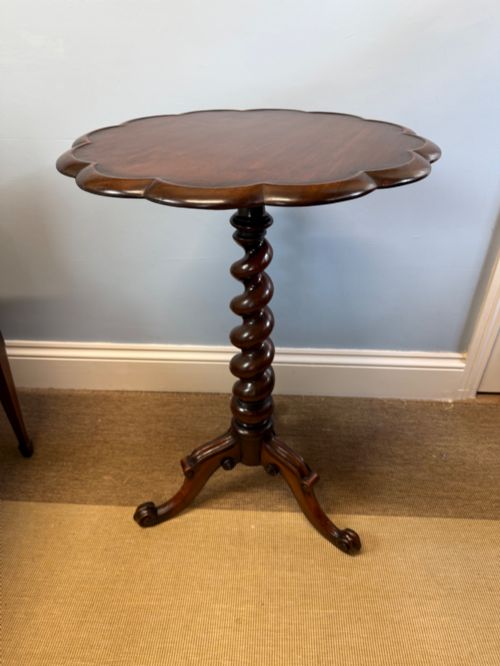
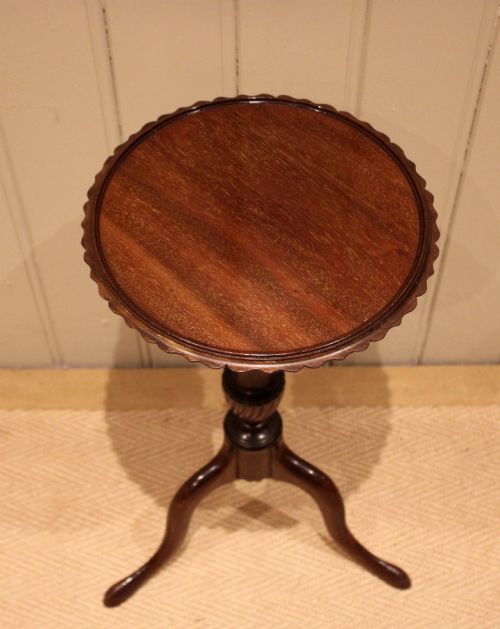
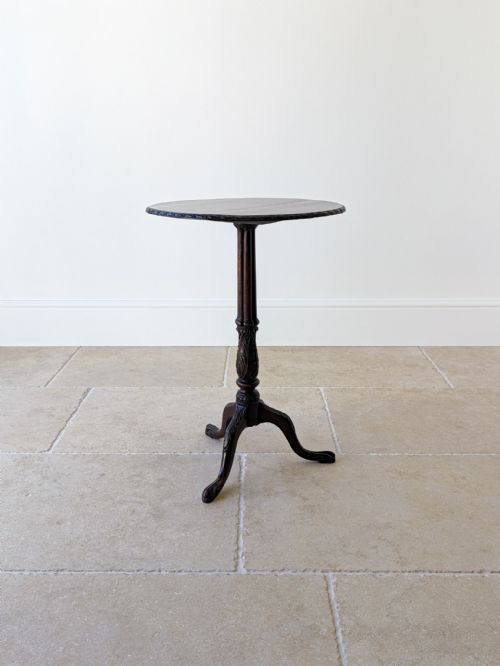
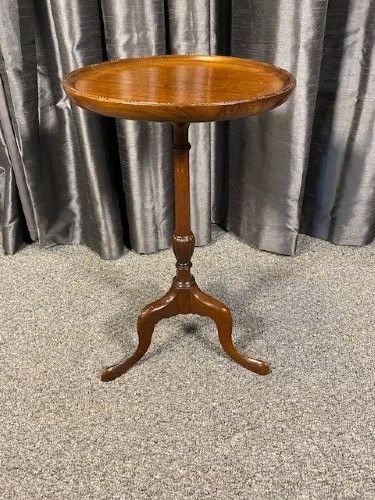
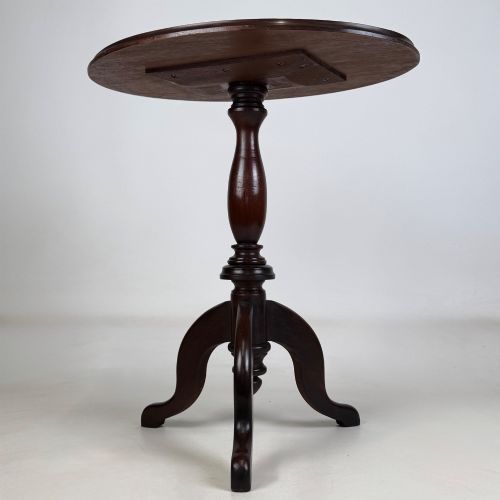
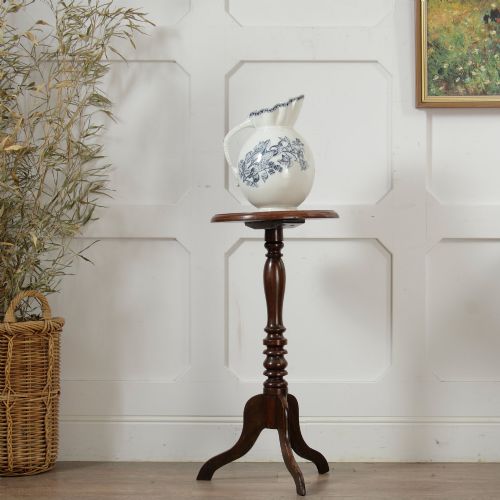
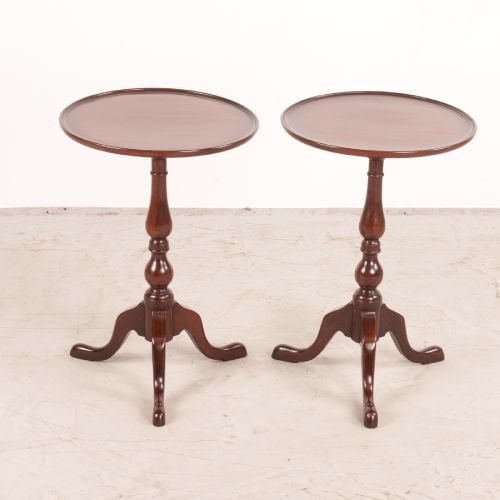
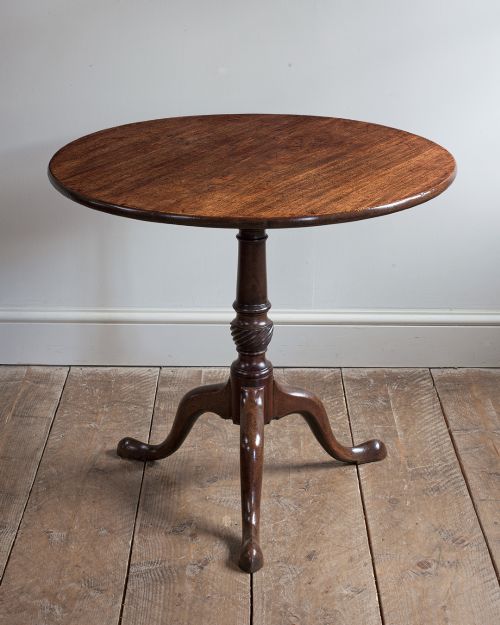
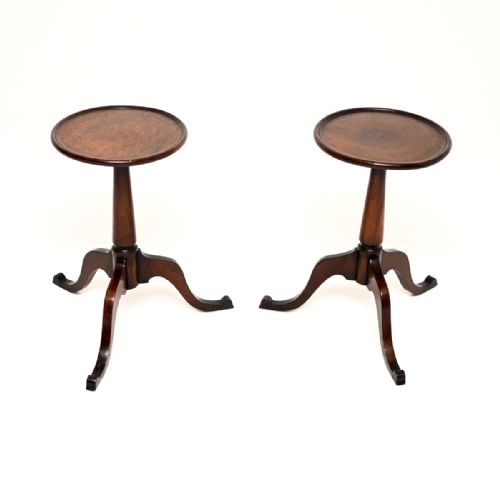
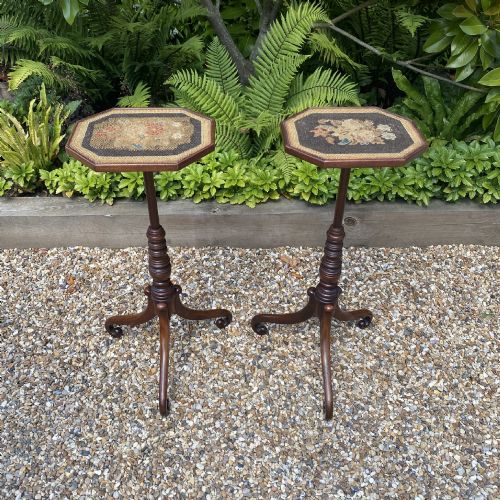
A traditional mahogany wine stand is a compact table designed for holding bottles, glasses, or small lamps beside seating. These pieces commonly take the form of tripod tables with circular or shaped tops, alongside rectangular wine tables and occasional side tables.
The selections span multiple periods, with George III and Georgian examples appearing alongside 19th-century interpretations and later Edwardian or revival pieces. Most items rely on a central pedestal supported by three legs, though simpler side tables and urn stands also populate the category.
How they were made
Cabinet makers utilised solid mahogany and figured veneers over secondary woods, shaping timber with lathes and hand tools. Tripod bases required precise joinery to connect the central pillar to the three spreading legs.
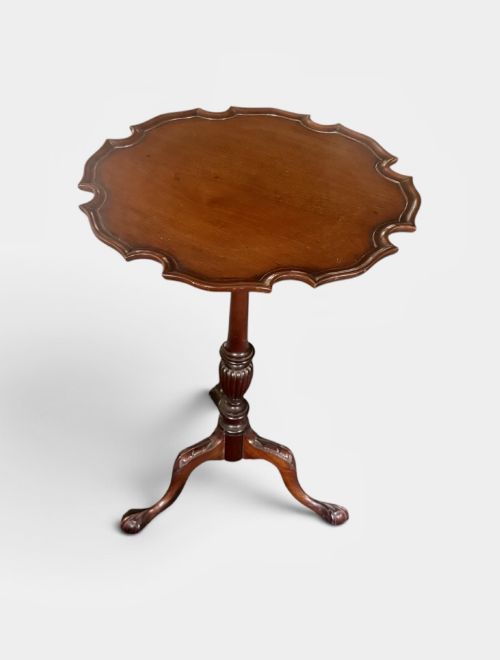
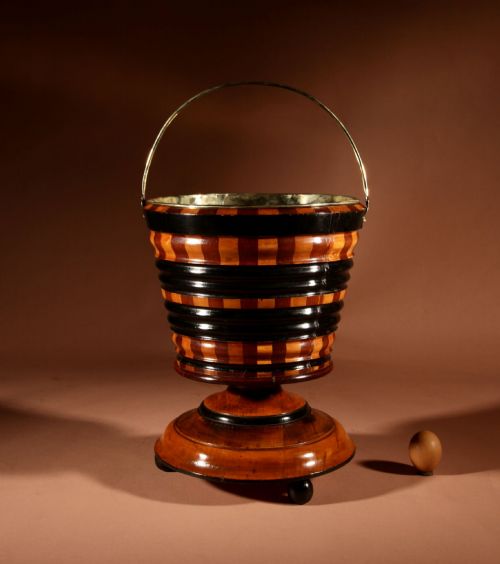
Details such as pie crust rims, serpentine galleries, and tilt-top mechanisms demanded careful woodworking skill. Certain variants incorporate wood inlay, brass fittings, or ebonised elements to accent the primary mahogany grain.
One listed item is a coopered peat bucket, proving that mahogany occasionally found itself moonlighting as a rustic fuel container.
What varies in quality
Quality rests in the selection of the mahogany timber and the crispness of the carving on the pedestal or rim. Pieces featuring well-figured wood and balanced proportions command greater appreciation.
The stability of the tripod mechanism and the tightness of the central joints determine structural integrity. Refined turning on the stem and subtle shaping on the table edges distinguish superior examples from plain utility pieces.
Mein of Kelso
The Traditional Mahogany Wine Stand Glossary
- Tripod table
- A small standalone table supported by a central pillar and three legs. This configuration prevents wobbling on uneven floors.
- Tilt-top
- A tabletop hinged to the pedestal so it can tilt vertically when not in use. This mechanism allowed furniture to be stored flat against a wall.
- Pie crust rim
- A raised edge carved with curves and lobes resembling pastry work. It prevented items from sliding off the surface.
- Serpentine gallery
- A raised decorative border around the tabletop with alternating concave and convex curves. It offered both containment for glassware and visual elegance.
- Pedestal
- The central vertical column supporting the tabletop above the legs. It formed the structural backbone of small occasional tables.
Traditional Mahogany Wine Stand: Frequently Asked Questions
What is a traditional mahogany wine stand used for?
These compact tables served historically to hold wine bottles, decanters, or drinking glasses near seating areas. Today they function equally well as lamp tables or small occasional surfaces in sitting rooms.
Their modest footprint allows them to fit beside armchairs or in corners without dominating a room's floor plan.
How do I identify a Georgian wine table?
Georgian examples typically display dense, patinated mahogany timber with hand-cut joinery and understated carving. Look for proportion in the central column and traditional leg profiles.
Later revival pieces often lack the deep surface warmth and minor irregularities associated with 18th-century workshop production.
Are these tables sturdy enough for daily use?
Most tripod tables offer surprising stability if the leg joints remain firm and tight. They suit holding a book, cup, or lamp, though heavy objects require more caution.
Avoid dragging them across carpets, as lateral pressure can strain the three-way leg connection at the base of the pedestal.