


Traditional Mahogany Coffee Tables
Traditional mahogany coffee tables bring rich timber grain and classic proportions directly into a sitting room.
Traditional Mahogany Coffee Tables
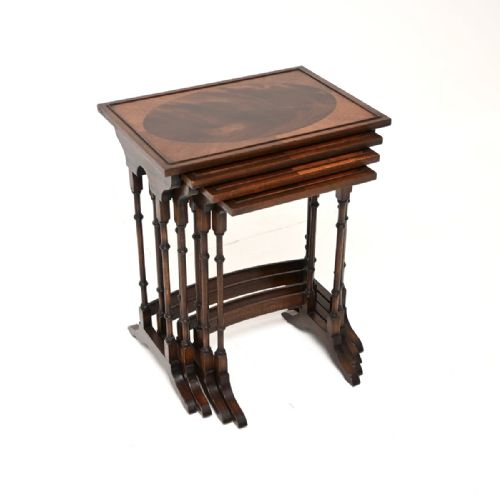
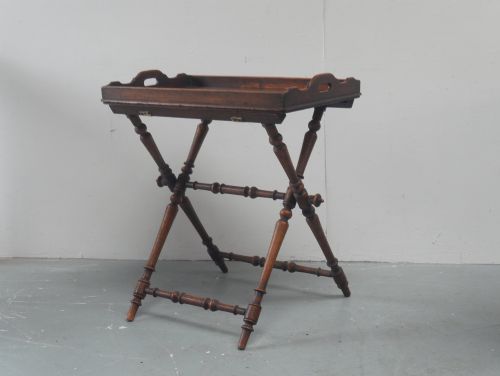
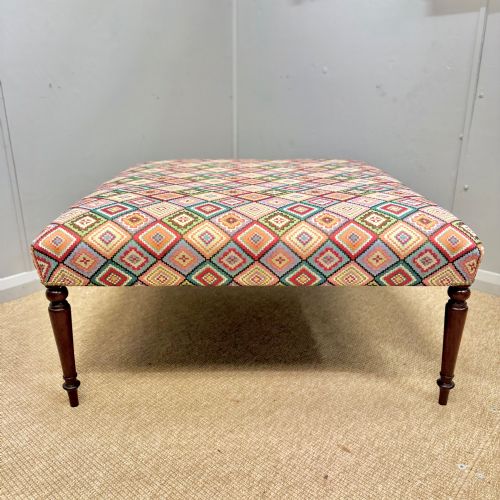
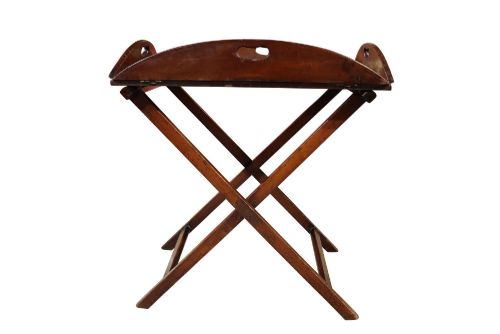
Traditional mahogany coffee tables encompass a variety of low tables and converted stands designed for central placement in reception rooms. When exploring traditional mahogany coffee tables, buyers encounter formats ranging from low coffee tables and oval coffee tables to nested sets and folding butler trays.
The selection spans multiple periods, including nineteenth century examples, Victorian pieces, Edwardian items, and later revivals from the early twentieth century. Styles vary from simple English country house pieces to formal Georgian and Regency revivals.
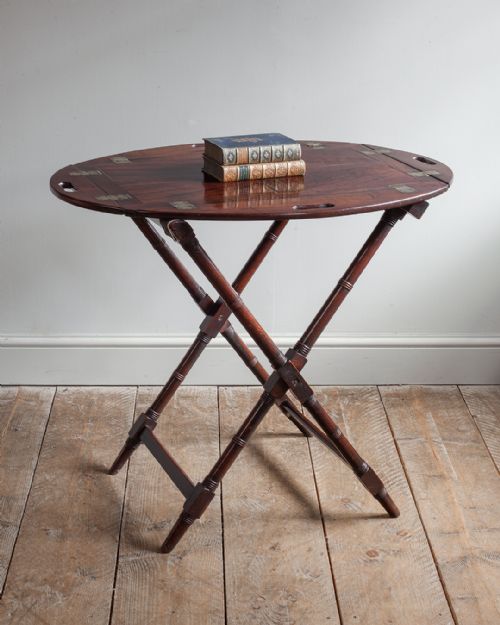
Many pieces originate from earlier functional forms, such as butler trays on folding stands, quartetto nests, and side tables adapted for modern living. These forms offer versatile surfaces for daily use while retaining historic character.
Evaluating Quality and Craftsmanship
Quality rests in the selection of timber figures, the precision of inlay work, and the integrity of the structural joinery. Finer examples display carefully matched mahogany veneers, crisp moulding details, and well-preserved secondary woods like satinwood and boxwood.
The graduation between standard items and superior pieces depends on the balance of proportions and the retention of original brass hardware or leather surfaces. Pieces with integrated folding mechanisms or complex nested arrangements demonstrate higher levels of initial workshop skill.
Listings feature pieces spanning from the eighteenth century through the Victorian and Edwardian eras to early twentieth-century revivals.
The Traditional Mahogany Coffee Tables Glossary
- Mahogany
- A durable, reddish-brown tropical hardwood prized for its rich grain and stability in cabinet-making. It forms the primary structural and visual base for these tables.
- Butler Tray
- A removable wooden tray with hinged or shaped sides, traditionally used for serving and placed upon a folding stand. Many surviving examples date from the nineteenth century.
- Nest of Tables
- A set of graduated tables designed to slide neatly beneath one another to save floor space. They appear frequently in Edwardian and early twentieth-century listings.
- Veneer
- A thin layer of figured wood applied to a base timber to create decorative surface patterns. Figured mahogany veneer adds depth and visual interest to table tops.
- Quartetto
- A matched set of four small occasional tables that nest together. This traditional form dates back through the nineteenth century and earlier revivals.
Traditional Mahogany Coffee Tables: Frequently Asked Questions
What is a butler tray table?
A butler tray table consists of a removable wooden tray resting on a folding or fixed wooden stand. Originally designed for serving drinks or food, the raised sides often feature built-in carrying handles.
In modern rooms, these pieces function well as adaptable coffee tables because the tray lifts off easily. Many examples date from the nineteenth century and survive with their original stands.
How do I date a mahogany table?
Dating relies on observing construction methods, timber characteristics, and style markers associated with specific periods like the Victorian or Edwardian eras. Secondary woods and hardware also provide clues regarding age.
Revival pieces from the early twentieth century often emulate eighteenth or nineteenth-century designs while retaining cleaner internal construction. Comparing the piece to documented examples helps narrow down the decade.
Are nest of tables practical?
Nests of tables offer exceptional versatility for smaller spaces by providing extra surface area when needed and tucking away compactly. They allow you to pull out individual tables for drinks or books.
Edwardian and later nineteenth-century nests often feature three or four graduated surfaces in figured mahogany. Their sturdy construction handles daily use while maintaining a tidy footprint.
What maintenance do leather tops need?
Leather-inlaid table tops require gentle cleaning with a dry or barely damp cloth to prevent the material from drying out. Avoiding excessive moisture and direct sunlight preserves the original hide.
Conditioning creams formulated for antique leather help maintain suppleness over time. Regular dusting keeps the surface free from grit that might scratch the leather.
Where were these tables used?
These tables served primarily in principal reception rooms, libraries, and drawing rooms of large homes and country houses. They provided convenient surfaces for tea service, reading materials, or decorative objects.
Today, their domestic utility continues in living rooms as central coffee tables or side surfaces. Their traditional proportions suit both formal period interiors and contemporary spaces.