




Classic Wooden Side Tables
Classic wooden side tables are practical everyday pieces built in mahogany, walnut, and satinwood across Georgian, Victorian, and Edwardian periods.
Classic Wooden Side Tables
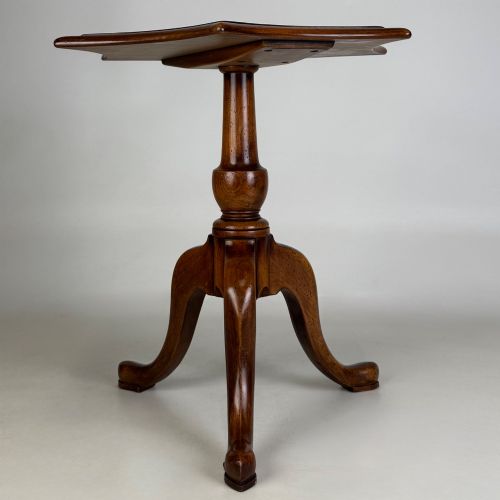
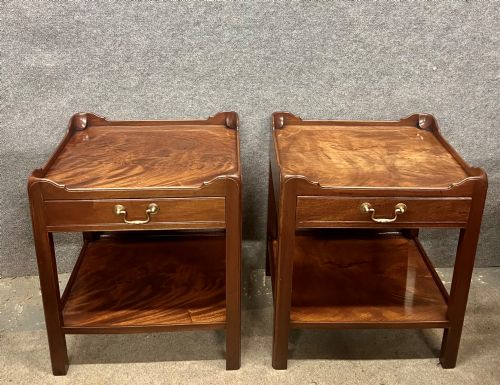
Classic wooden side tables encompass a variety of forms including occasional tables, Pembroke tables, nests of four tables, and bedside cabinets. When searching for classic wooden side tables, buyers encounter diverse periods ranging from the eighteenth century through the Edwardian era.
The selection on this page relies heavily on mahogany, alongside walnut, burr birch, and sycamore. Pieces range from Georgian and Regency items to Victorian and Edwardian examples, reflecting centuries of cabinet-making traditions.
How they were made
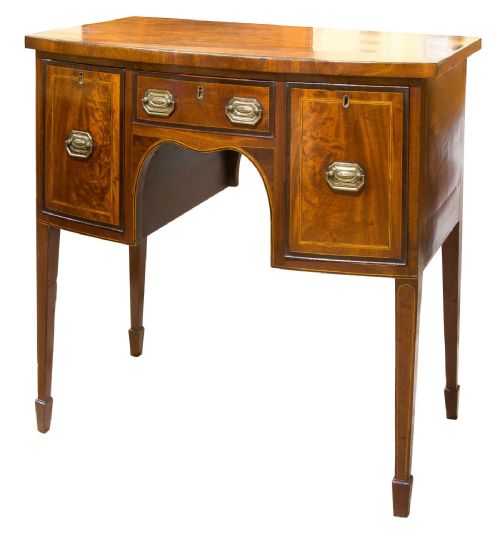
Cabinet-makers utilised solid timbers and veneers, incorporating brass fittings and delicate satinwood inlay to accentuate the grain of mahogany and walnut. Pembroke tables and nests of tables demonstrate precise joinery designed for stability and daily function.
Surfaces often feature polished finishes that highlight the natural figure of fiddleback sycamore or burr birch. Construction methods evolved from eighteenth-century hand-cut joints to later nineteenth- and twentieth-century production techniques.
Listings include eighteenth-century pieces alongside Edwardian and twentieth-century interpretations, predominantly fashioned from mahogany with brass and satinwood details.
What varies in quality
The grade of timber and the fineness of the inlay set superior examples apart from standard utility items. Selection of figured woods, such as fiddleback sycamore or burr birch, indicates higher workshop standards.
Proportion and execution of structural details like folding leaves on Pembroke tables or the graduating sizes in nests of tables determine the overall refinement of a piece.
The Classic Wooden Side Tables Glossary
- Pembroke table
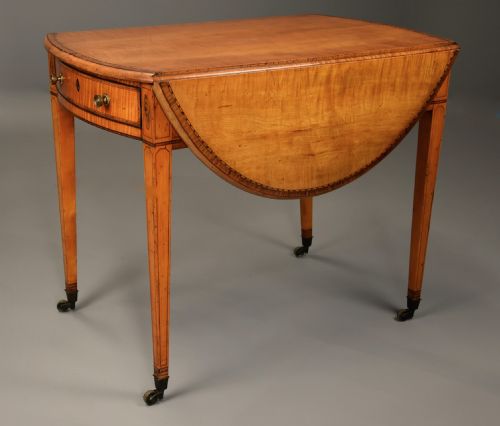
- A small table with hinged flaps on either side that can be raised or lowered. These tables usually feature a single drawer and slender legs.
- Occasional table
- A small, light table designed for miscellaneous use in a room. They appear in various shapes and periods across the listings.
- Satinwood inlay
- A decorative technique using contrasting lighter wood veneer inserted into the primary timber. It frequently adorns Edwardian and Georgian tables.
- Quartetto nest
- A set of four graduating tables that fit one beneath another. The Victorian and Edwardian examples demonstrate this space-saving design.
- Fiddleback
- A figure in timber, particularly sycamore, displaying ripples that resemble the back of a violin. This grain pattern indicates select timber choice.
Classic Wooden Side Tables: Frequently Asked Questions
What is a Pembroke table?
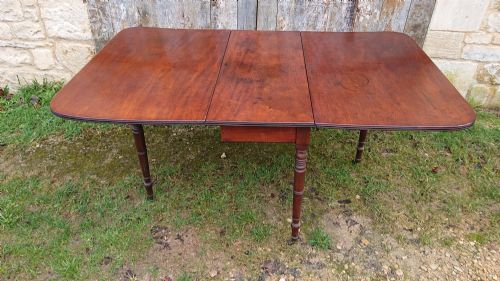
A Pembroke table is a compact design featuring drop leaves supported by hinged brackets. They served historically as versatile tables for breakfast or writing.
Their flexible surface made them popular in eighteenth- and nineteenth-century parlours.
How do I use a nest of tables?
A nest of tables provides multiple surfaces that stack away compactly when not in use. They suit smaller sitting rooms where space is at a premium.
Individual tables can be pulled out easily to hold drinks or books.
How do I date a mahogany side table?
Dating relies on observing construction methods, timber choice, and stylistic details. Georgian pieces often display different proportions and joinery compared to Edwardian revivals.
Secondary woods and hardware also provide clues to the period of manufacture.
Where should I place a console table?
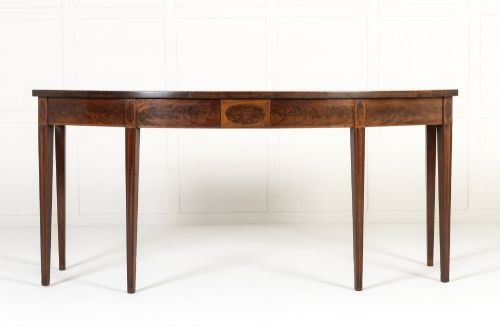
A console table works well against a hallway or living room wall. Regency and Empire revival examples provide a strong decorative focal point in entrance spaces.
They generally accommodate lamps, mirrors, or small decorative objects.