


Mahogany Living Room Tables
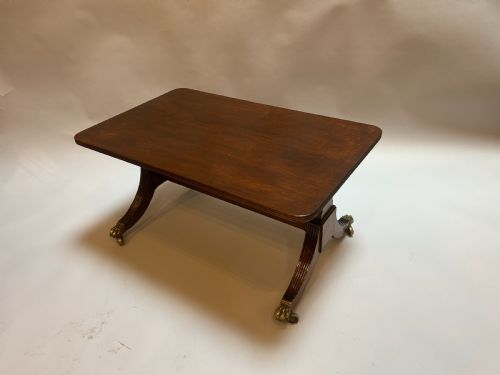
Mahogany living room tables bring warmth and utility to a seating area, combining rich timber with practical tiers and surfaces.
Mahogany Living Room Tables
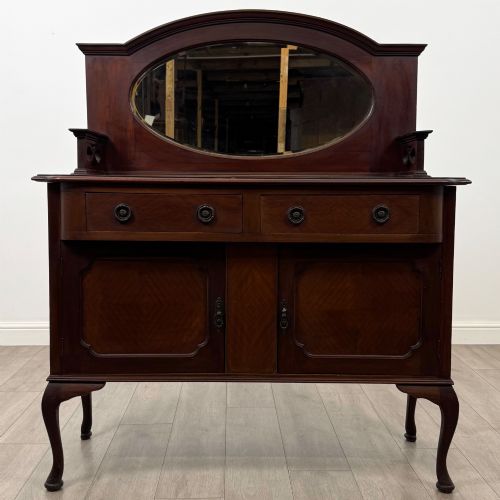
Mahogany living room tables encompass a variety of forms designed for central placement, resting points, and tiered storage within sitting spaces. When searching for mahogany living room tables, buyers frequently encounter nests of tables, coffee tables, occasional tables, and occasional sideboards spanning several historic periods. These pieces serve functional purposes while displaying the deep grain and rich colour characteristic of the timber.
The pieces on offer draw from periods including the Regency era, the nineteenth century, and the Edwardian epoch, alongside early twentieth-century examples. Nests of multiple tables are particularly common amongst these listings, often designed to slide neatly beneath one another when floor space is at a premium. Alongside nests, low coffee tables and two-tier occasional tables appear regularly to suit modern and traditional living rooms alike.
Stylistic influences range from classic Regency lines to Sheraton Revival details and Edwardian interpretations. Makers and craftsmen of these periods utilised the timber's inherent strength to construct slender legs, shaped tops, and tiered surfaces that remain stable yet visually light. Each style reflects the prevailing domestic requirements of its era, from formal entertaining to relaxed daily use.
Materials and construction methods
Construction relies heavily upon solid mahogany and carefully selected veneers, complemented by contrasting timbers such as satinwood and yew. Cabinet makers utilised these materials to create smooth surfaces and decorative tabletops that highlight the natural grain patterns of the wood. Brass fittings and glass inserts also feature in specific examples, adding functional contrast to the wooden frames.
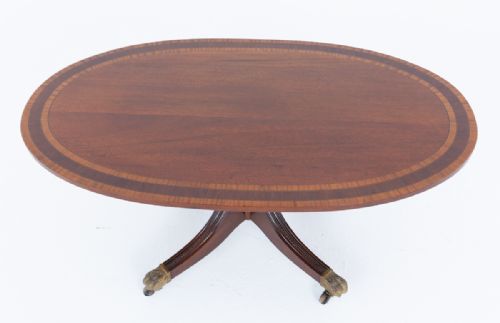
Inlaid decoration in satinwood appears on several Edwardian pieces, providing delicate border work and geometric motifs across tabletops and tiers. Veneering techniques allowed craftsmen to apply burr walnut and yew tops onto sturdy mahogany structures, achieving decorative variety without sacrificing structural integrity. Shaped tops and turned legs demonstrate traditional joinery skills handed down through generations of British cabinet makers.
The listings show a strong concentration of Edwardian nests of tables alongside nineteenth-century coffee tables and occasional pieces in mahogany.
Distinguishing quality in construction
Quality in these tables is evident in the precision of the joinery and the selection of timber figures used for the tabletops. Finer examples display crisp inlay work, well-matched veneer grains, and robust under-framing that ensures each table in a nest slides smoothly without binding. Poorer examples may show uneven fading, clumsy repairs, or replacement hardware that disrupts the original harmony of the piece.
The integrity of the timber finish and the crispness of shaped edges distinguish superior items from standard production pieces. Tables that retain their original polished surface and structural rigidity command greater appreciation amongst collectors who value untouched authenticity over heavy restoration.
The Mahogany Living Room Tables Glossary
- Mahogany
- A durable, reddish-brown tropical hardwood prized for its stability, rich grain, and suitability for fine cabinet making. It forms the primary structural and visual base for the majority of these tables.
- Nest of tables
- A set of graduated tables designed to fit one beneath another to save floor space when not in use. This form is particularly prevalent in Edwardian and late nineteenth-century listings.
- Satinwood inlay
- A decorative technique where contrasting light-coloured satinwood is inserted into recesses cut into the darker mahogany surface. It creates delicate geometric or floral borders typical of Sheraton Revival and Edwardian pieces.
- Veneer
- A thin layer of figured wood applied over a secondary timber base to provide a decorative surface. Yew and burr walnut veneers are frequently utilised on tabletops to add visual depth.
- Tiered occasional table
- A small movable table featuring two or more display surfaces positioned at different heights. These pieces offer extra surface area while maintaining a compact footprint in a living room.
Mahogany Living Room Tables: Frequently Asked Questions
What is a nest of tables?
A nest of tables consists of a set of smaller tables that fit neatly inside one another to save space. They can be pulled out separately when guests visit and stacked away when floor space is needed.
First appearing in various forms during the nineteenth and early twentieth centuries, they became a staple of Edwardian living rooms. Their clever design makes them exceptionally practical for modern homes with limited space.
How do I care for mahogany?
Mahogany benefits from occasional dusting with a soft, dry cloth and protection from direct sunlight and excessive heat. Avoiding moisture and placing coasters on the surface will preserve the polished finish.
Natural beeswax can be applied sparingly to nourish the timber and maintain its characteristic sheen. Proper care ensures the wood deepens in character over time without drying out.
How do I identify an Edwardian table?
Edwardian tables often feature light satinwood inlay, slender legs, and delicate proportions inspired by earlier Sheraton designs. They date from the period between nineteen hundred and nineteen ten.
Common forms from this era include multi-tiered occasional tables and nests of three or four matching pieces. The construction tends to be lighter and more refined than earlier heavy Victorian furniture.
Are these tables sturdy enough for daily use?
Most mahogany living room tables are constructed from solid hardwoods designed to withstand everyday domestic routines. Occasional tables and coffee tables provide stable surfaces for drinks, books, and lamps.
Checking that the joints remain tight and the legs level will ensure the piece remains reliable. Traditional joinery methods give these older tables surprising resilience in active living spaces.
What is a Sutherland table?
A Sutherland table is a narrow drop-leaf table with hinged flaps that fold down vertically when not in use. It was designed to occupy minimal space against a wall until pulled out for tea or dining.
Edwardian examples often incorporate inlaid mahogany and slender gateleg supports to hold the leaves securely in place. They offer a versatile alternative to standard rigid coffee tables.