
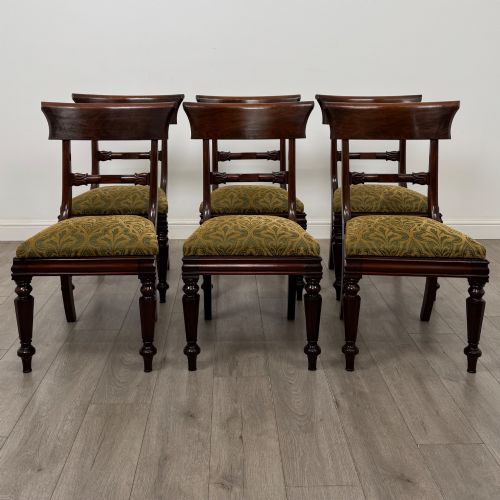
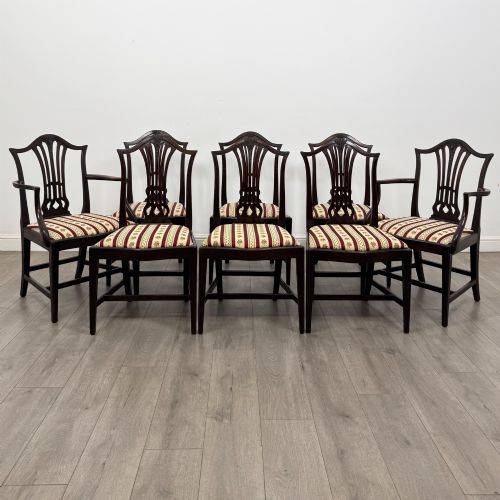
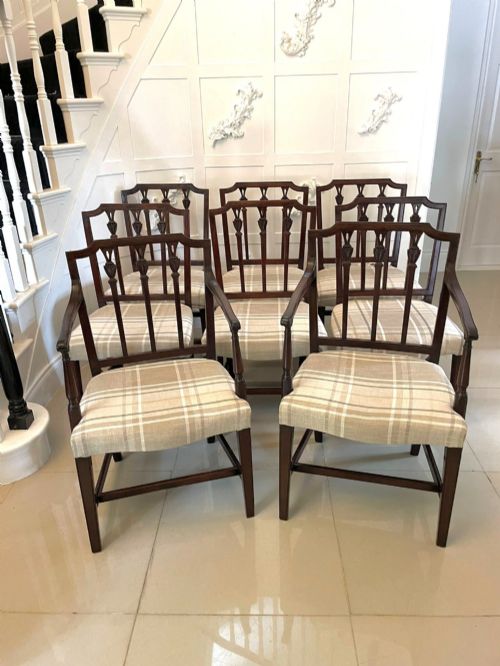
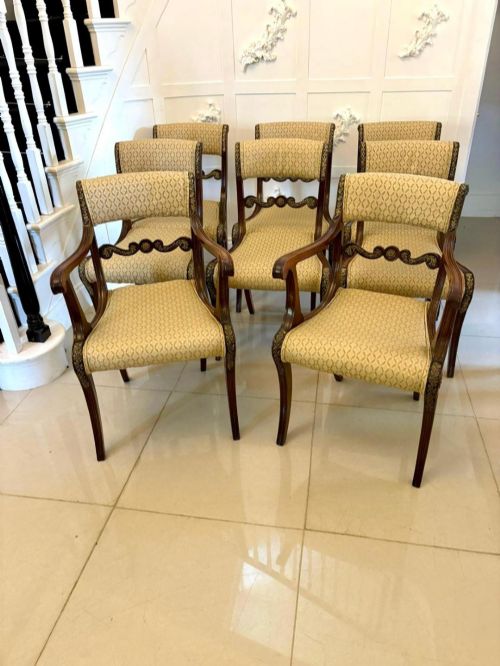


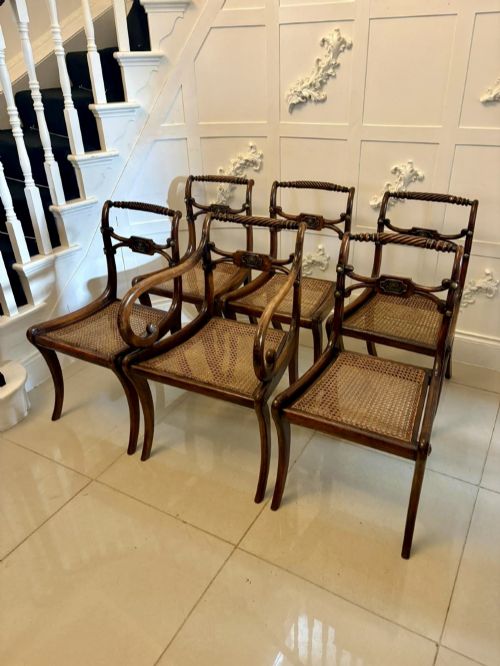
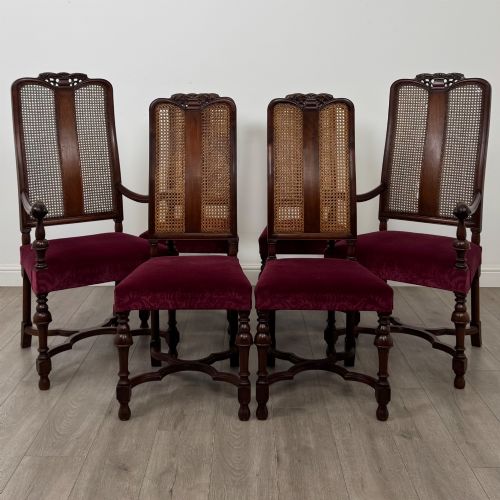
Traditional Mahogany Chair Set
A traditional mahogany chair set brings genuine historical character to a dining room through rich timbers and classic regional cabinetmaking.
Traditional Mahogany Chair Set
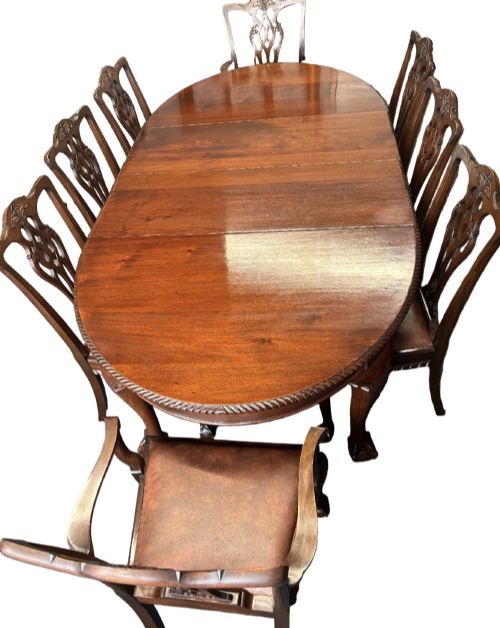
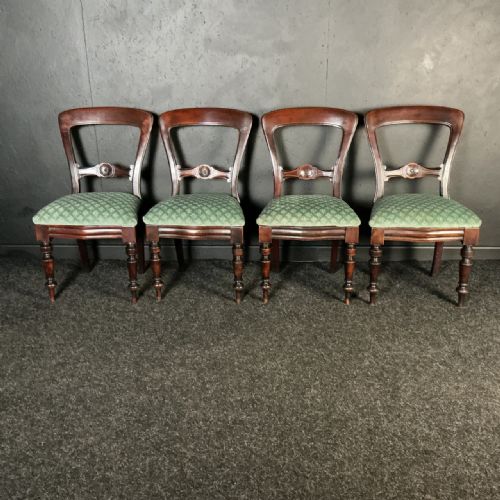
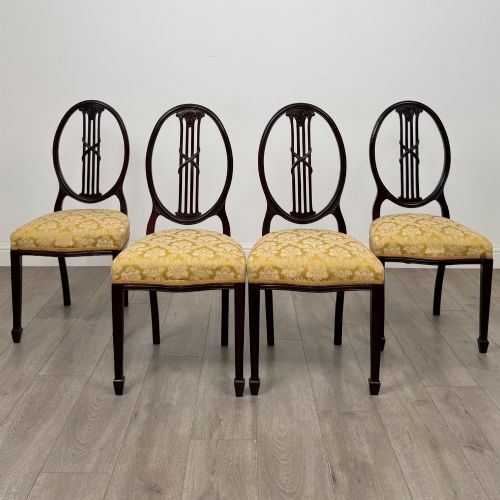
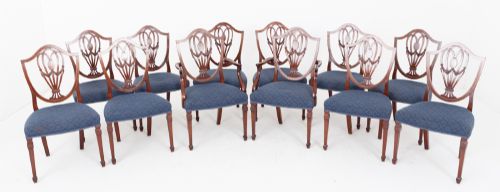
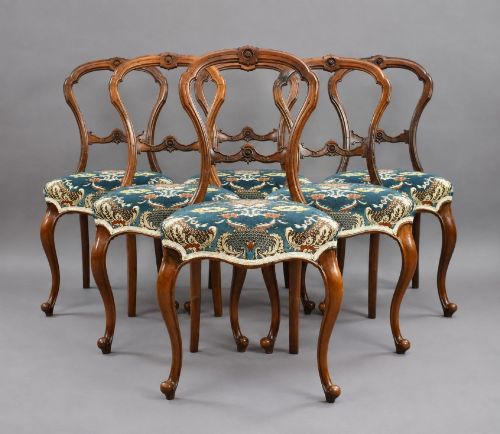
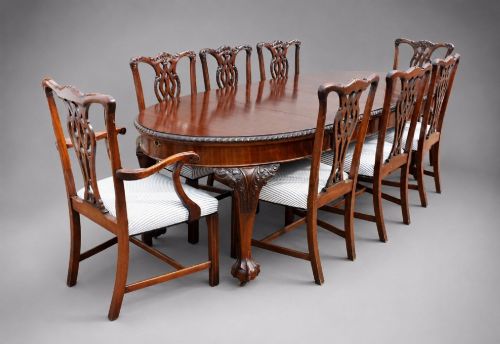
Buyers encountering this phrase most frequently find Victorian, Edwardian, and Georgian designs shaped by revival movements. Forms range from balloon back and bar back configurations to shield backs and Chippendale styles.
Dining chairs and sets dominate the available options, alongside occasional hall chairs intended for grand entryways. Origins span standard nineteenth-century production up to twentieth-century revival interpretations.
Materials and Construction
Cabinetmakers built these frames using dense mahogany timber, selected for durability and deep natural grain. Upholstered variants incorporated supportive textiles, leather, velvet, and fabric layers fastened with traditional methods.
Designers applied stylistic details such as brass accents and cane seating inserts to specific models. Joinery techniques relied on traditional wood joints rather than modern fasteners to ensure lasting structural integrity.
Some dining sets managed to survive decades of family dinners with every single slip seat remaining intact.
Assessing Craftsmanship
The degree of hand-carving and detail work separates standard production models from exhibition pieces. Finer sets display crisp execution in decorative elements like shield backs and pierced splats.
The selection of timber grain and the original condition of the wood influence overall desirability. Complete sets matching large quantities without later replacements command greater interest from collectors.
Warings·Maple and Co·Alfred Allen of Birmingham·Gillows
The Traditional Mahogany Chair Set Glossary
- Carver
- An armchair designed with armrests, traditionally placed at the head of a dining table. These often accompanied sets of single chairs.
- Balloon Back
- A rounded, oval-shaped backrest style popular during the Victorian period. This profile curves outward to support the back comfortably.
- Shield Back
- A chair back shaped like a heraldic shield, frequently associated with eighteenth-century Georgian design and later revivals. Makers often incorporated pierced wooden splats within this outline.
- Bar Back
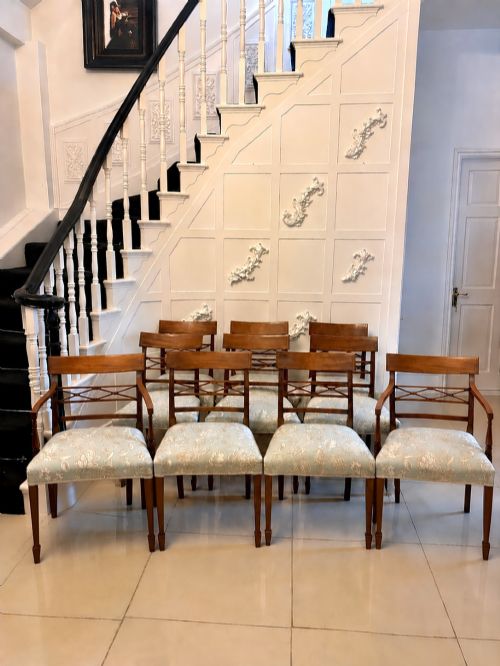
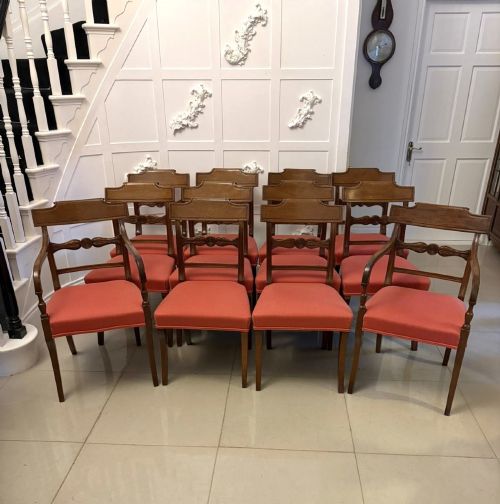
- A horizontal crossbar design spanning the upper section of a chair back. This form appears frequently in nineteenth-century seating.
- Chippendale Style
- A decorative aesthetic drawing on the eighteenth-century designs of Thomas Chippendale. Pieces feature intricate carved details and sturdy proportions.
Traditional Mahogany Chair Set: Frequently Asked Questions
How many chairs come in a standard set?
Sets generally range from four to twelve individual seats, depending on the original dining capacity required by households. Many larger configurations also include matching carver armchairs for the table ends.
Buyers should verify the exact breakdown of single chairs versus armchairs within any matched grouping before purchase.
What is the difference between Georgian and Victorian sets?
Georgian pieces originate from the eighteenth and early nineteenth centuries, favouring classical proportions and refined carved splats. Victorian examples date from the mid-nineteenth century onward, often featuring heavier frames and rounded balloon back profiles.
Revival sets from the twentieth century frequently replicate these earlier historical aesthetics.
How do I care for mahogany dining furniture?
Maintain the wood by dusting regularly with a soft, dry cloth and avoiding direct sunlight to prevent fading. Conditioning the timber occasionally with appropriate furniture wax preserves the natural finish.
Protect upholstered surfaces from moisture and heavy spills using suitable fabric cleaners.
Are carver chairs included in every set?
Armchairs appear in many larger groupings, typically paired as a pair alongside a larger number of single chairs. Smaller sets often consist entirely of armless dining chairs.
Listings usually specify the exact count of carvers included in the total number.