





Traditional Mahogany Bed Frame
A traditional mahogany bed frame brings warmth and structural presence to a bedroom, drawing on centuries of cabinet-making heritage.
Traditional Mahogany Bed Frame
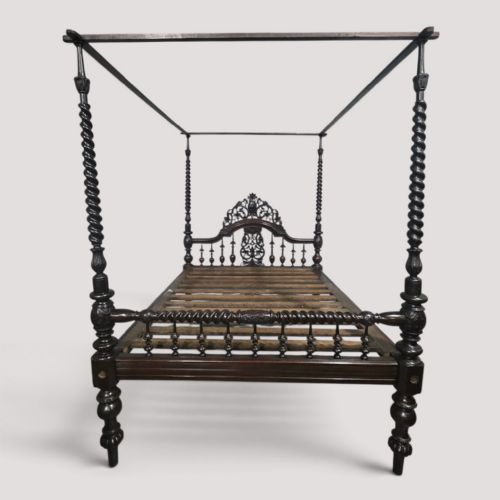
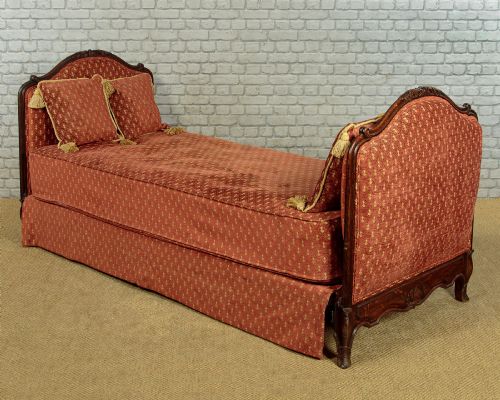
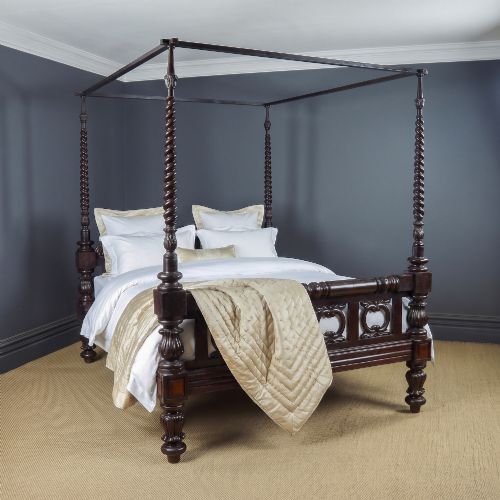
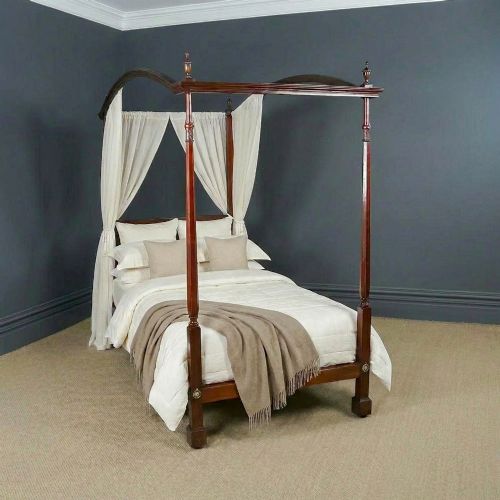
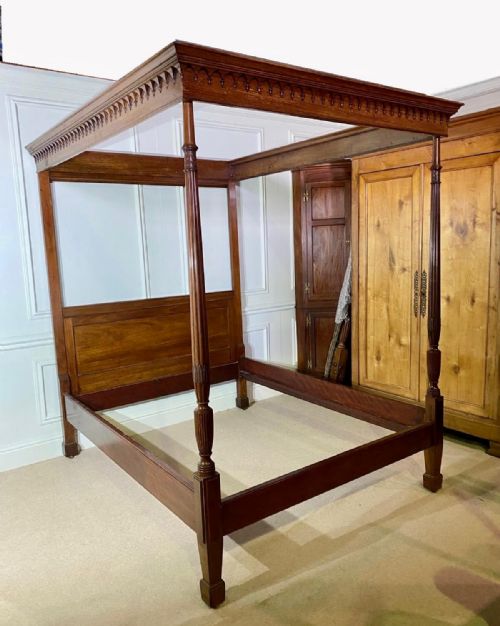
A traditional mahogany bed frame encompasses a range of stately sleeping furniture originating primarily from the eighteenth, nineteenth, and early twentieth centuries. These pieces span robust single frames, double bedsteads, grand four-poster constructions, and upholstered daybeds built to anchor a chamber.
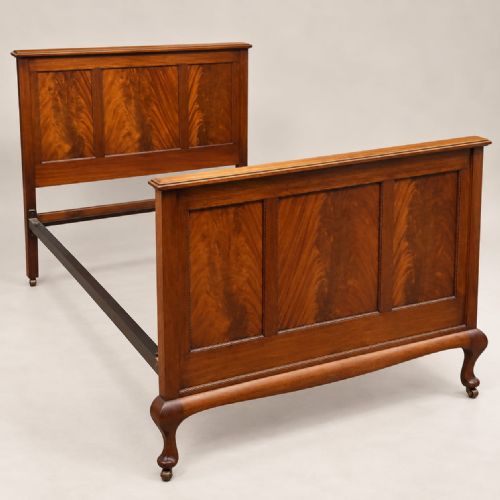
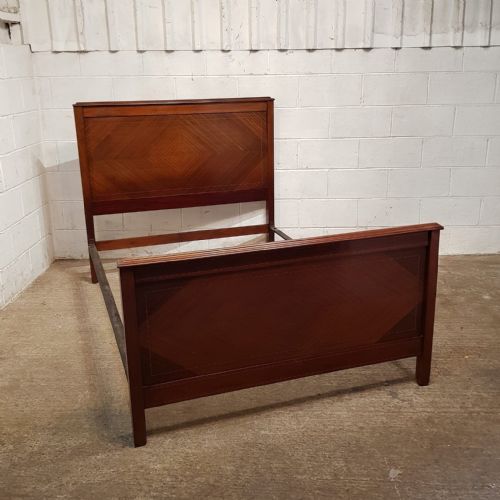
The selections encountered here lean heavily towards Edwardian and Victorian interpretations, alongside Regency and eighteenth-century examples. Buyers frequently meet double and single bedsteads featuring inlay work, panelled rails, or towering posts styled after Georgian and colonial aesthetics.
Materials and construction methods
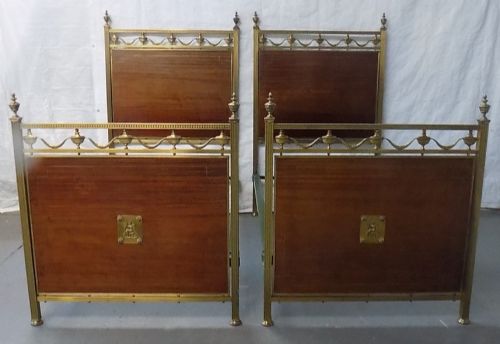
Makers utilised dense mahogany timber as the primary medium, frequently complemented by secondary structural woods like pine and hardwood for internal frames. Accents of brass, porcelain, satinwood inlay, burr veneers, and fruitwood embellish the surfaces, while integrated fabric upholstery appears on high-backed heads and daybeds.
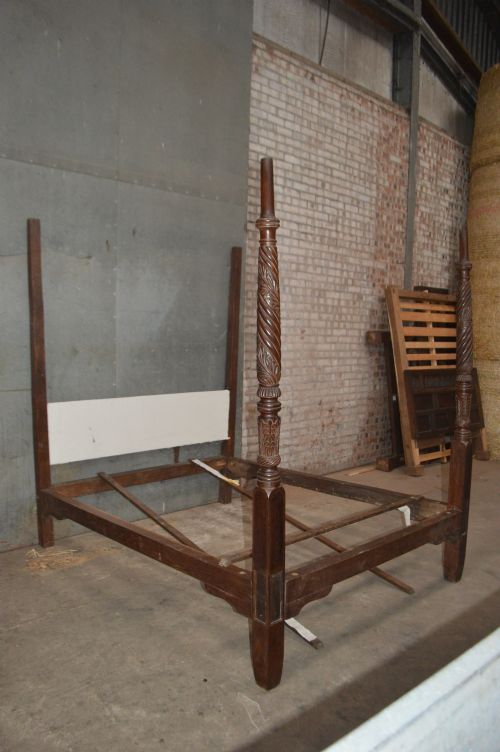
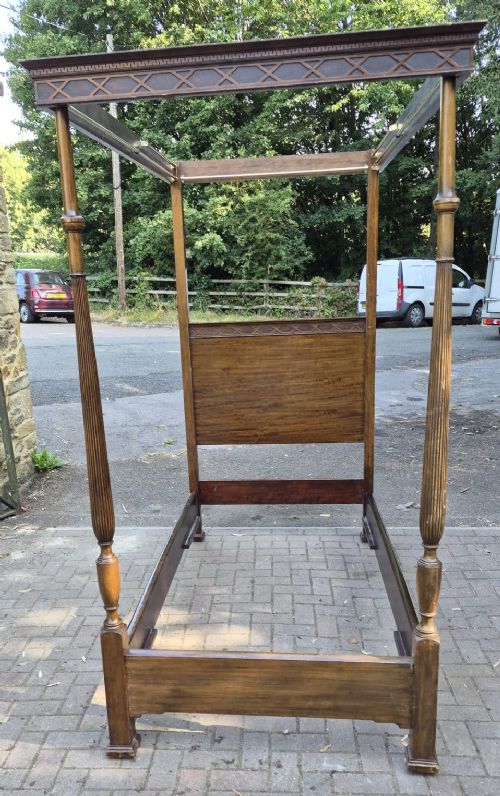
Joinery relies on traditional hand-carved detailing and fitted slats to support the mattress platform. Four-poster variants incorporate towering architectural posts connected by headboards and footboards, demonstrating precise woodworking techniques from the nineteenth and early twentieth centuries.
Traditional Mahogany Bed Frame Retail Price Guide 2026
Typical asking prices for traditional mahogany bed frame among the pieces listed under this phrase on Sellingantiques today, from the lower quarter to the upper quarter. They describe what is for sale here now, not the wider market.
Distinctions in craftsmanship
The upper tier of these pieces reveals itself through the depth of grain selection, crisply executed hand-carved ornamentation, and the integration of fine marquetry or contrasting fruitwood veneers. Superior examples display thoughtful proportions and robust structural integrity within the primary timber.
Simpler variations rely on plain panel construction with minimal decorative inlay, reflecting standard domestic production rather than bespoke cabinet-making workshops. The refinement of the turned posts and the quality of applied brass details further separate standard bedsteads from exceptional examples.
Heals of London·Howard & Sons
The Traditional Mahogany Bed Frame Glossary
- Bedstead
- The complete wooden framework of a bed, supporting the mattress without including the bedding itself. This term commonly describes nineteenth and early twentieth-century frames.
- Four poster
- A bed featuring four vertical columns that support an upper canopy framework. These grand structures date across the eighteenth and nineteenth centuries.
- Marquetry
- Decorative veneer work arranged in intricate patterns across wooden surfaces. It adds visual complexity to panels and headboards.
- Inlay
- Contrasting pieces of timber or lighter wood set flush into the mahogany surface. This technique defines many Edwardian designs.
- Slatted bedstead
- A frame fitted with horizontal wooden laths designed to support a mattress. These provide the underlying structure for traditional sleepers.
Traditional Mahogany Bed Frame: Frequently Asked Questions
How do I choose the right size?
Review the listed dimensions carefully against your bedroom space, noting that historical sizes like double and single differ from modern mattress standards.
Account for the substantial footprint of four-poster posts or high carved headboards when planning your room layout.
Are these frames compatible with modern mattresses?
Many traditional bedsteads feature internal slatted bases or wooden supports designed to accommodate standard contemporary mattress dimensions.
Verify the internal width and length specifications of each individual frame before purchasing your mattress.
How do I care for mahogany timber?
Maintain the wood by dusting with a soft, dry cloth and avoiding placement near direct heat sources or strong sunlight.
Apply traditional wax polish sparingly to nourish the grain and preserve the rich colour of the timber over time.
How do I distinguish Edwardian from Victorian frames?
Victorian pieces often display heavier proportions, high panelled backs, and darker finishes with robust hand-carved details.
Edwardian alternatives frequently introduce lighter mahogany tones, subtle satinwood stringing, and simpler rectilinear forms with refined brass fittings.