

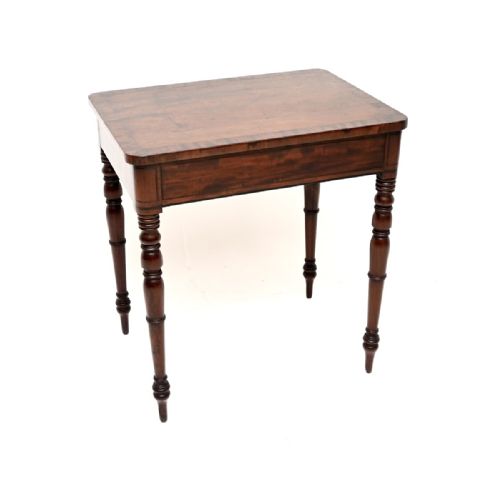
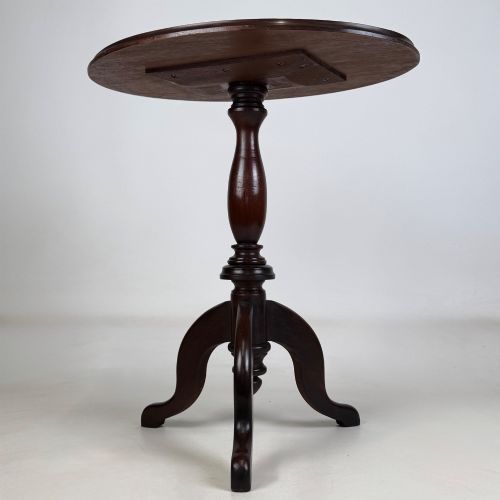
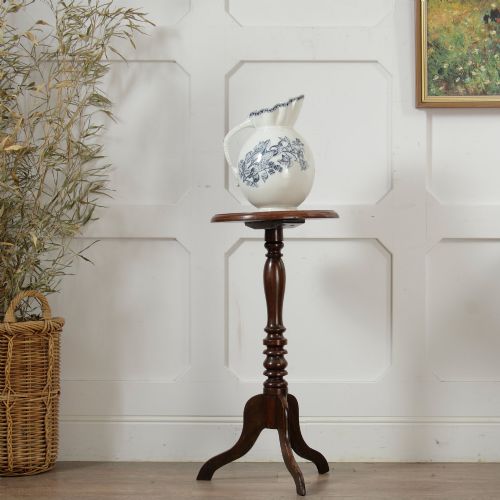
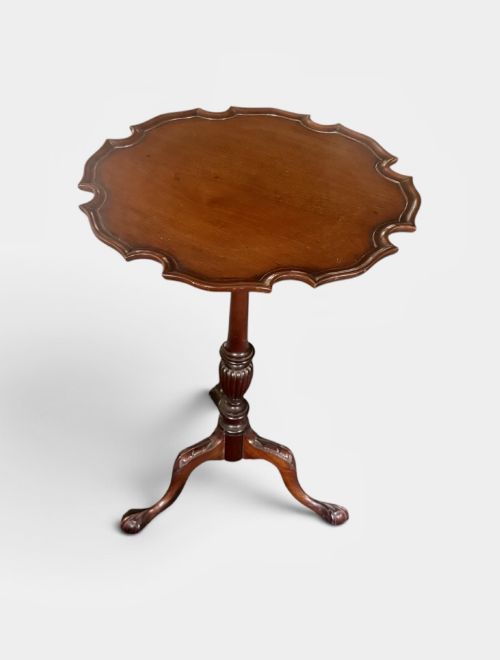

Traditional Mahogany Accent Table
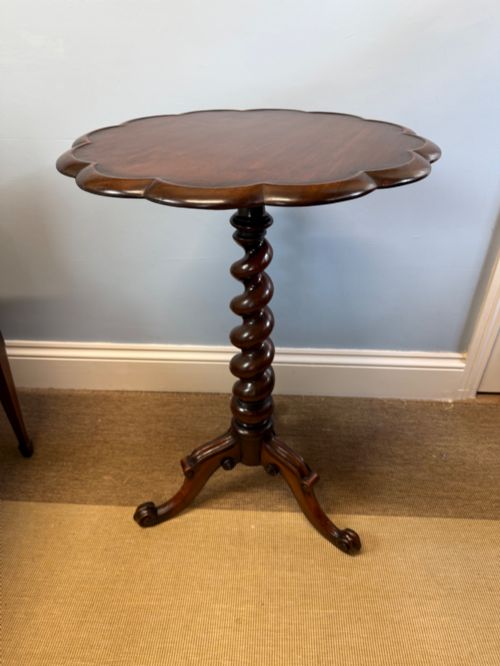
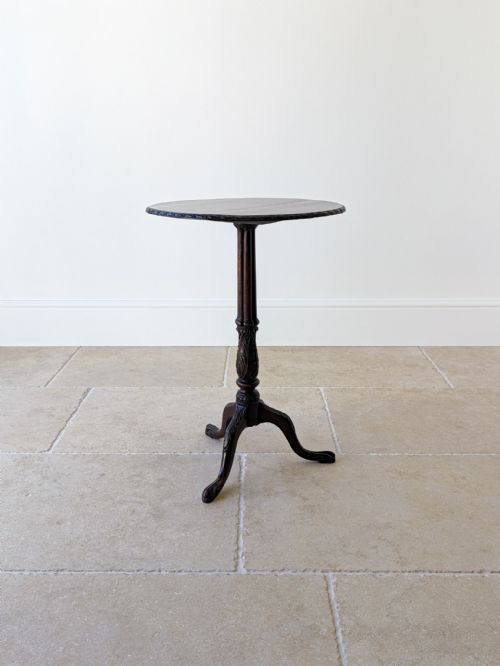
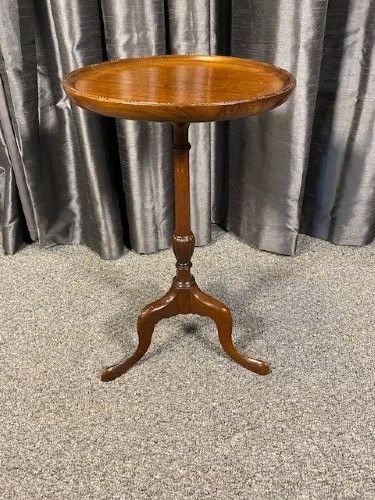
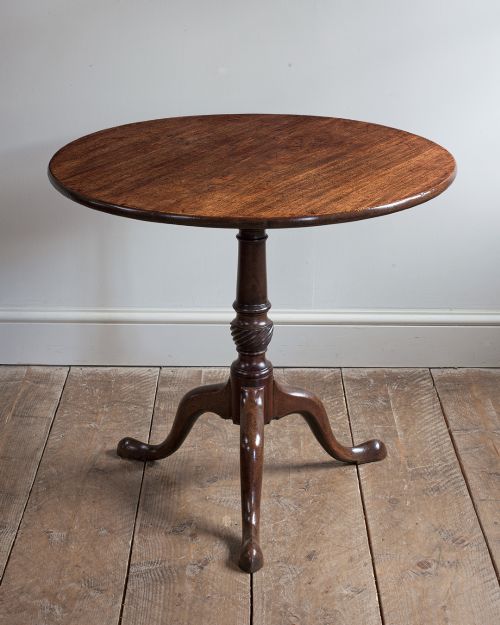
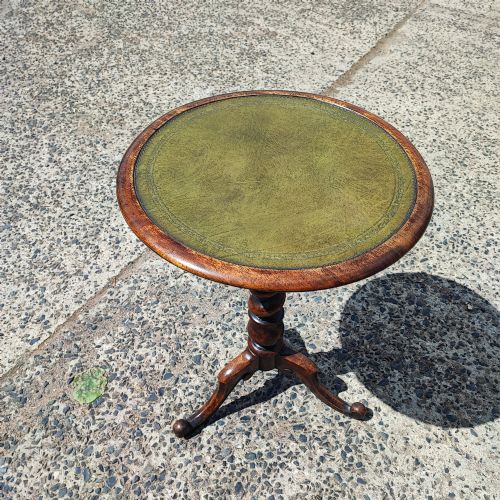
A traditional mahogany accent table brings dependable timber warmth and practical surface space to a corner, most frequently seen here in nineteenth-century tripod and wine forms.
Traditional Mahogany Accent Table
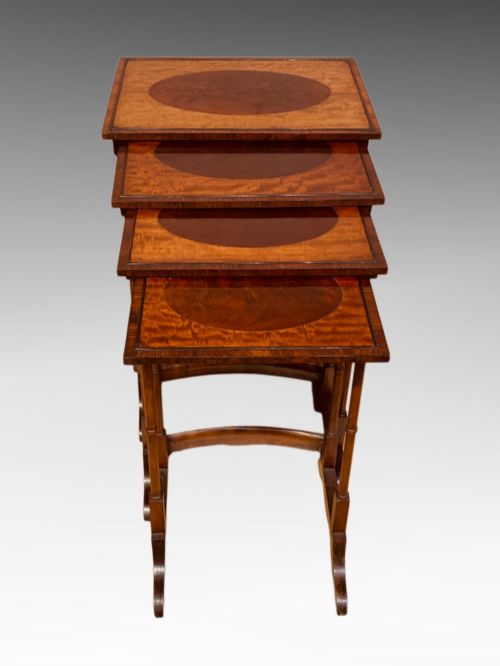
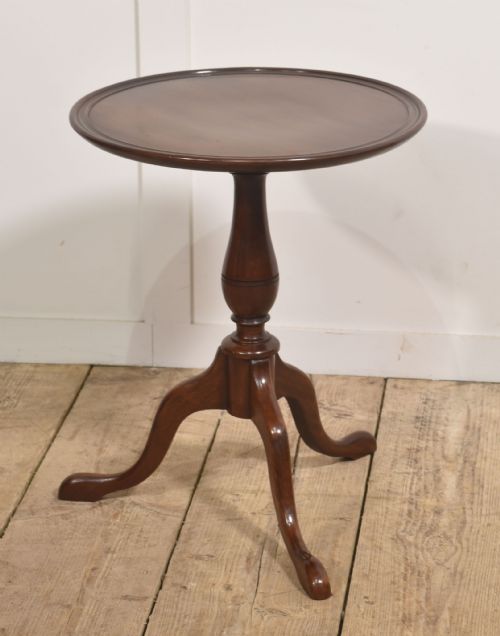
A traditional mahogany accent table serves as a movable surface for lamps, drinks, or small display items within a room. When exploring a traditional mahogany accent table, buyers encounter forms ranging from compact wine tables and spider leg designs to occasional side tables and nests.
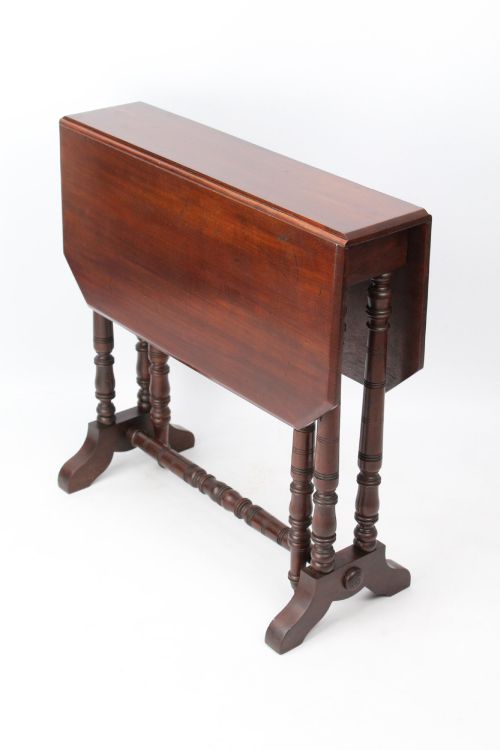
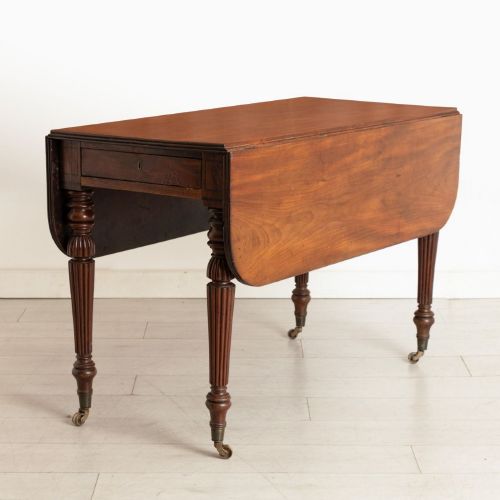
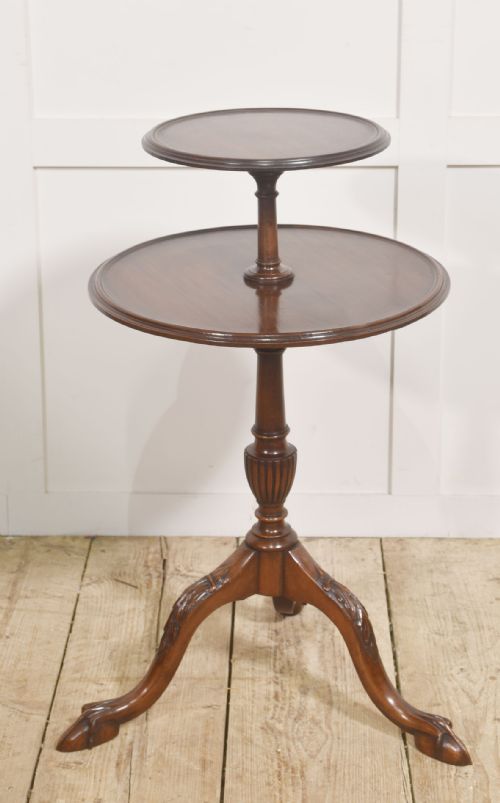
The selections span the eighteenth, nineteenth, and early twentieth centuries, drawing on Georgian, Victorian, and Edwardian periods. Examples include tilt-top tripod bases, Pembroke tables with drop leaves, and multi-tiered dumb waiters.
Makers and designers from revival movements also contributed reproductions and interpretations. These pieces reflect historical styles such as Chippendale and Sheraton, keeping classical proportions alive in domestic settings.
What varies in quality
The refinement of the timber selection and the precision of the joinery set finer examples apart from simpler utility pieces. Richness of grain figure and depth of the polished finish indicate higher workshop standards.
Details such as carved tripod legs, shaped pie crust rims, and delicate inlay work demonstrate the maker's skill. Robust structural integrity in pivoting mechanisms and gate leg actions determines the enduring utility of the table.
Materials appearing across these tables include solid mahogany, satinwood, brass, leather, and bone, alongside elaborate marquetry and wood inlay patterns.
The Traditional Mahogany Accent Table Glossary
- Tripod table
- A small freestanding table supported by a pillar above three legs. This form gained popularity in the eighteenth century for flexibility in domestic spaces.
- Pembroke table
- A drop-leaf table featuring hinged flaps on the sides. It typically includes one or two small drawers and rests on four legs.
- Spider leg table
- A slender table featuring exceptionally thin turned legs connected by stretchers. The design maximises lightness and portability.
- Dumb waiter
- A tiered freestanding serving stand used to hold dishes or beverages without requiring a servant at hand. They often feature revolving circular tiers on a central column.
- Marquetry inlay
- Decorative patterns formed by fitting contrasting veneer pieces into a prepared wooden surface. This technique requires high precision and patience.
Traditional Mahogany Accent Table: Frequently Asked Questions
Where should I place a wine table?
A wine table suits the side of an armchair or a quiet corner where it can hold a cup or small lamp without blocking passage.
Its compact footprint allows it to fit into tight spaces where larger furniture would overwhelm the room.
How do I care for mahogany?
Keep mahogany timber away from direct sunlight and excessive heat sources to prevent the wood from drying out or fading.
Dust regularly with a soft cloth and occasionally apply a suitable beeswax to maintain the natural sheen.
How do I identify a Georgian piece?
Georgian tables often display restrained classical proportions, solid mahogany construction, and understated carving. Details like tripod cabriole legs ending in pad or spade feet frequently point to this era.