




Traditional Kazak Wool Rug
A traditional kazak wool rug brings geometric motifs, rich natural colours and heavy tribal character straight to your floor.
Traditional Kazak Wool Rug
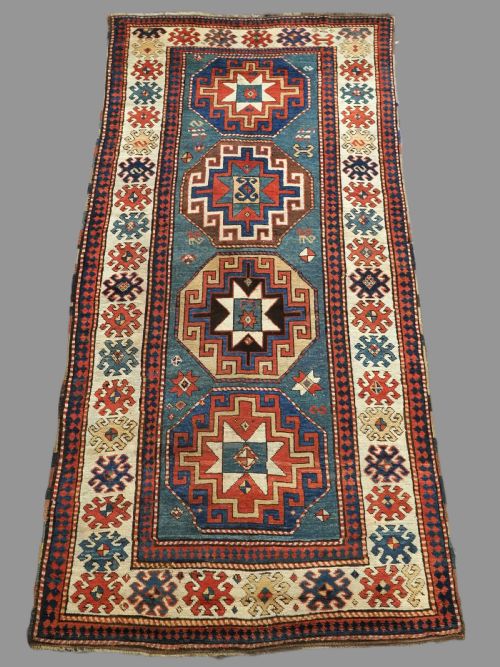
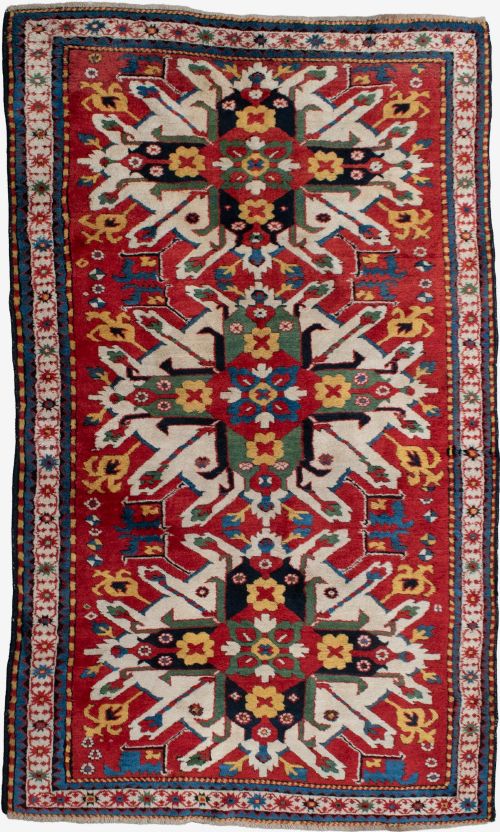
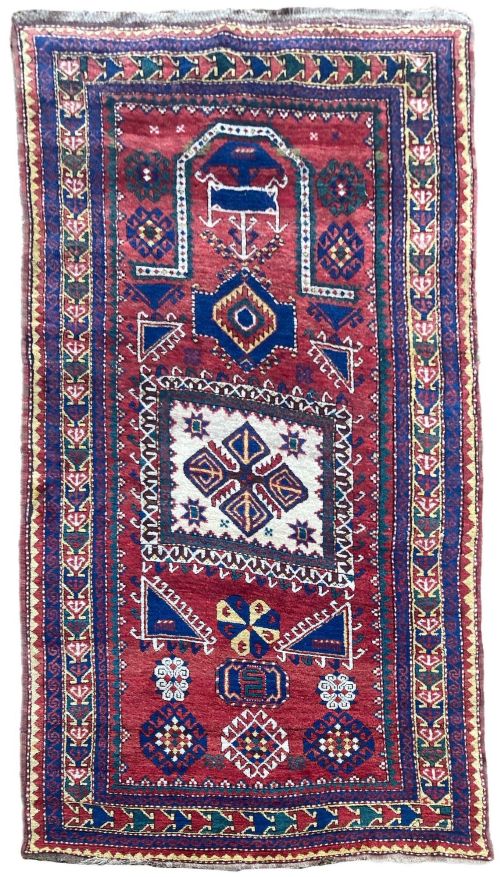
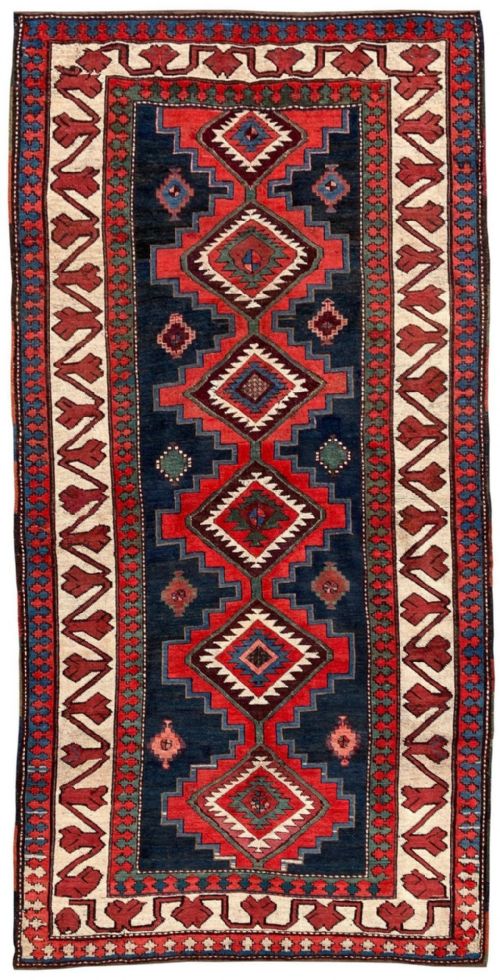
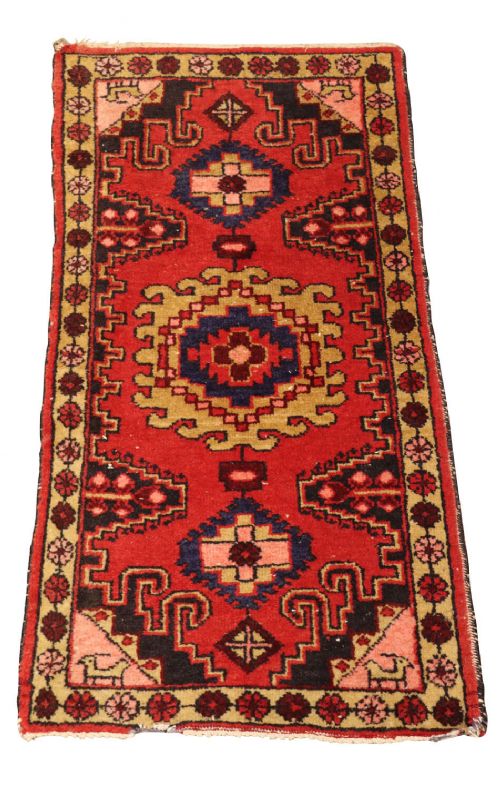
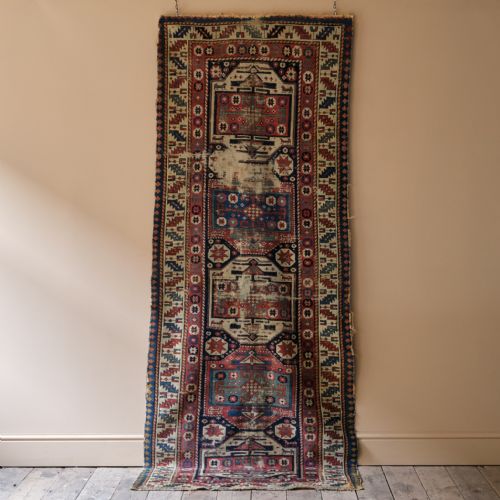
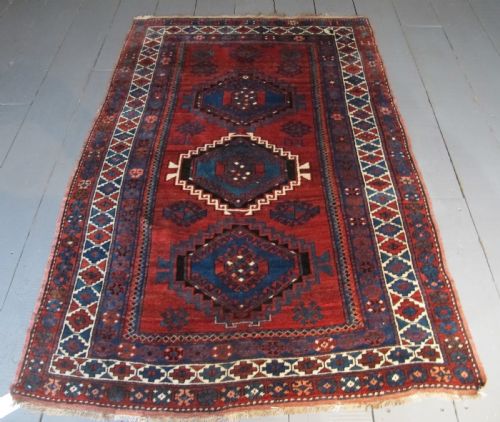
A traditional kazak wool rug originates from the Caucasus region and is defined by bold geometric patterns, medallions and animal motifs. These woven floor coverings range from compact prayer rugs and square formats to longer runner rugs and large carpets. The pieces available span the nineteenth and early twentieth centuries, reflecting diverse regional weaving traditions.
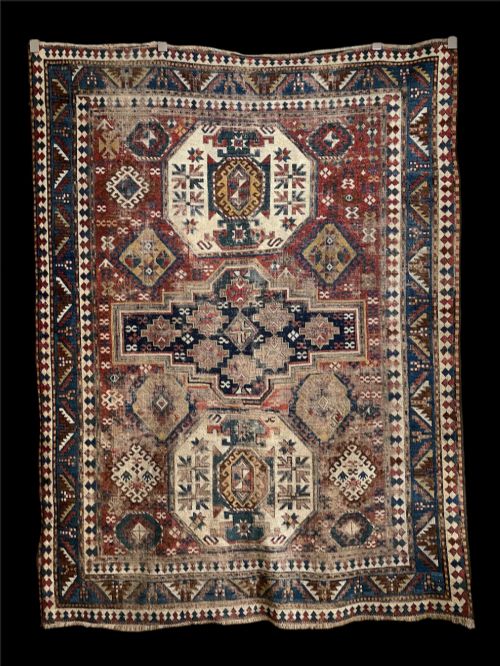
Buyers encounter specific regional subgroups such as Fachralo, Borchalu, Moghan, Chelaberd, Karachov and Gendje rugs. Each sub-type carries distinct design signatures, from large central squares and hooked medallions to repetitive boteh patterns and Memling guls. Most examples belong to the broader Caucasian and Caucasian tribal styles, offering a robust and decorative floor covering.
What Varies in Quality
The fineness of the knotting and the crispness of the geometric drawing distinguish the higher tiers of these weavings. A tighter knot count allows sharper definition in medallions, animal motifs and intricate borders. Weaving precision directly affects how clearly the tribal design language is expressed across the wool surface.
The vibrancy and depth of the natural dyes influence the visual success of the piece. Balanced colour combinations and well-preserved wool piles elevate the overall presence of the rug. Conversely, heavy wear or structural loss diminishes the integrity of the textile.
Several examples feature charmingly crooked lines and stray animal motifs woven directly by makers who favoured expression over strict symmetry.
The Traditional Kazak Wool Rug Glossary
- Prayer rug
- A small format textile traditionally utilised for individual Islamic prayer, often featuring a distinct niche or mihrab design at one end.
- Runner
- A long and narrow format rug designed for hallways, corridors or narrow spaces.
- Boteh
- A traditional teardrop or almond-shaped motif with a curved upper end, frequently repeated across regional weavings.
- Medallion
- A central ornamental design motif placed prominently in the field of the rug, often geometric in these Caucasian pieces.
- Memling gul
- An octagonal or polygonal geometric gul motif featuring hooked edges, commonly found in regional Caucasian designs.
Traditional Kazak Wool Rug: Frequently Asked Questions
Where were these rugs made?
These textiles originate from the Caucasus region, spanning areas historically associated with specific tribal groups and weaving centres.
Local workshops and nomadic weavers produced distinct styles that collectors now classify by regional names like Fachralo, Borchalu and Karachov.
How do I care for a wool rug?
Protect the wool pile by vacuuming gently without a rotating brush bar and keeping the textile out of direct sunlight.
Professional cleaning tailored to antique carpets ensures the natural dyes and hand-spun fibres remain preserved over time.
Are these rugs suitable for heavy traffic?
The dense hand-spun wool pile provides inherent durability, making these pieces resilient enough for everyday floor use.
Placing an appropriate underlay beneath the rug prevents slipping and reduces friction against the foundation.
How do I identify different regional types?
Distinction relies on observing the primary geometric motifs, such as central star polygons, hooked medallions or repeated boteh patterns.
Comparing the specific colour palette and border arrangements helps assign a piece to a known Caucasian weaving tradition.