
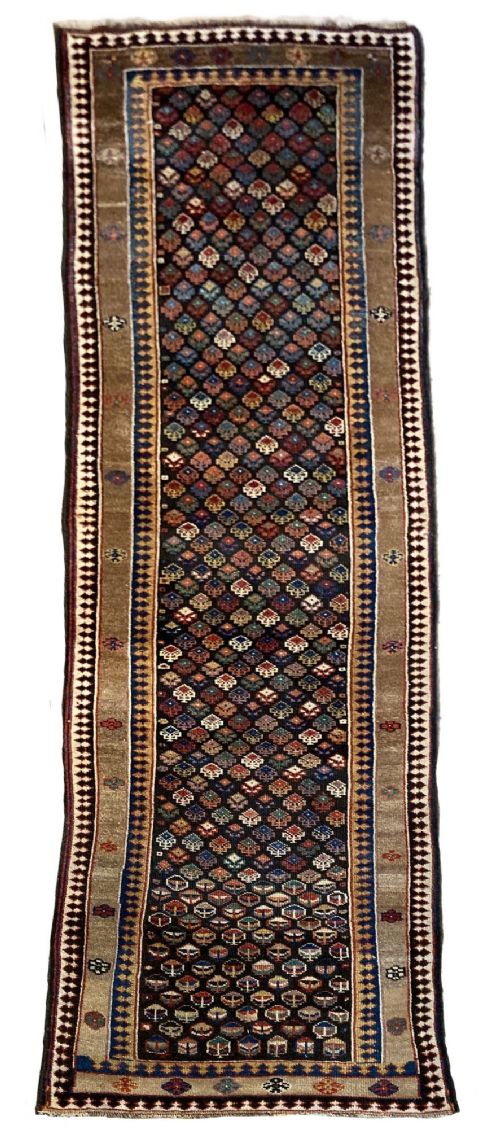
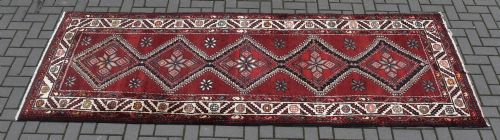


Handwoven Wool Long Rug
A handwoven wool long rug brings warmth and historic pattern to a narrow corridor or long floor space.
Handwoven Wool Long Rug
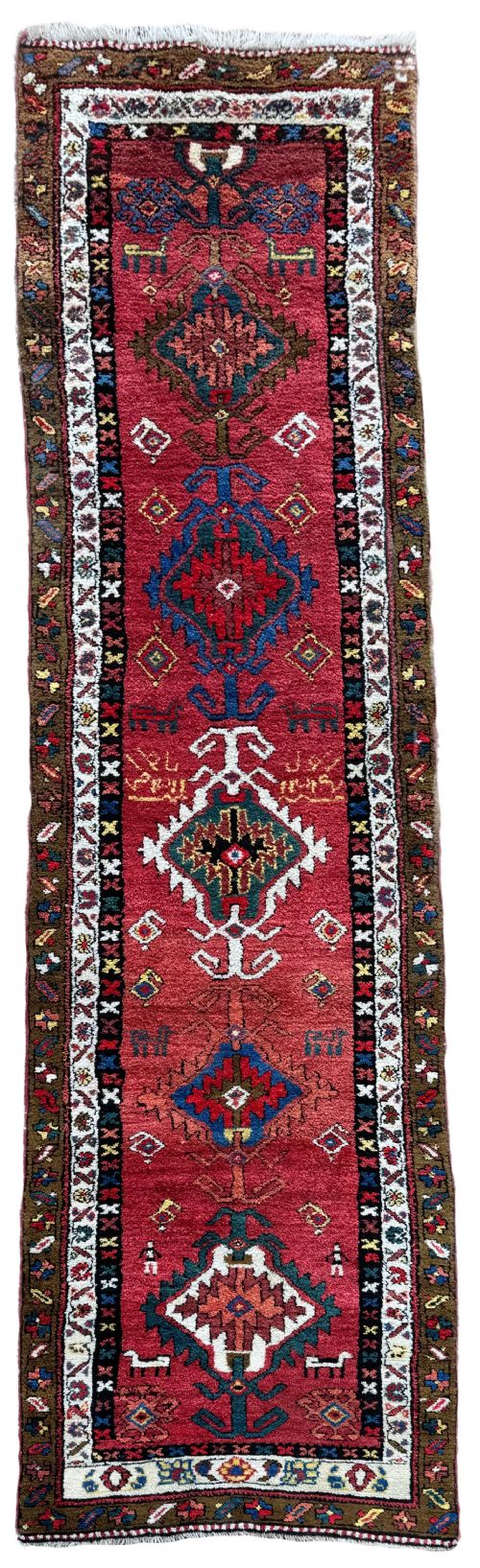
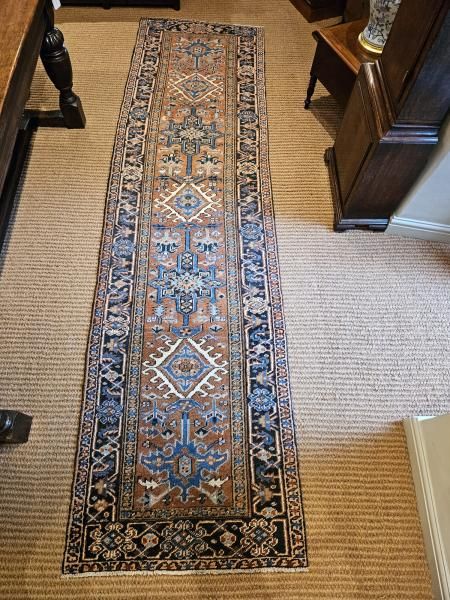
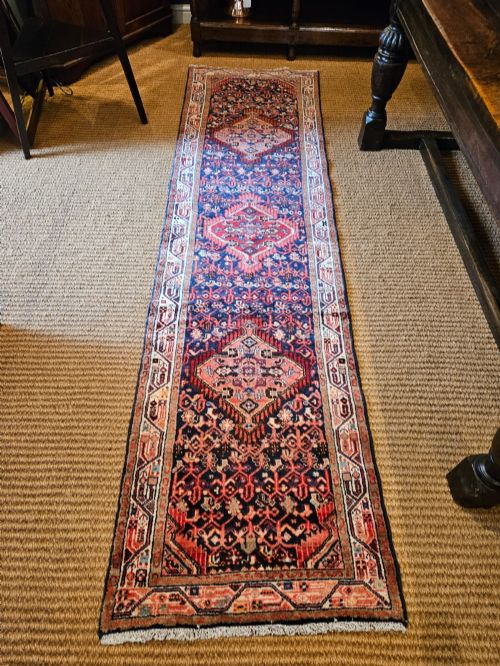
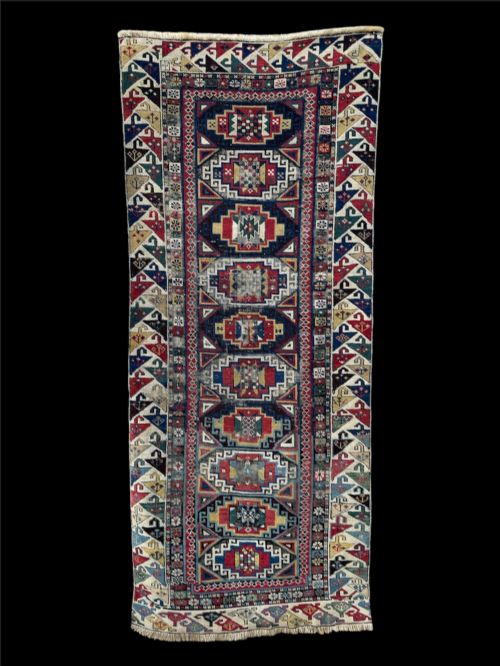
A handwoven wool long rug is a narrow, elongated textile designed for hallways, corridors and extended spaces within a home. When searching for this phrase, you encounter tribal and regional pieces originating from Persian, Caucasian, Turkish, Afghan and Moroccan weaving traditions. These textiles serve as practical floor coverings that introduce significant visual texture and deep cultural heritage to domestic interiors.
The pieces appearing on this page span several decades from the late nineteenth century through to the early twentieth century. You will find named regional types such as Heriz, Hamadan, Shirvan, Karaja and Kurdish runners, alongside tribal works produced by Luri, Shahsavan and Belouchi weavers. Their formats range from narrow, elongated runners to broader kelleh carpets suited to larger rooms.
How they were made
The construction of these textiles relies primarily on natural wool, often hand-spun, combined with cotton foundations depending on the region of origin. Weavers knotted or flat-wove these materials on vertical or horizontal looms, employing traditional dye methods derived from plants and minerals to achieve rich hues. Certain examples incorporate kilim ends or are woven in multiple strips joined together to create the desired length.
The density of the knotting and the quality of the wool dictate the structural integrity of each long rug. Regional variations in loom techniques define whether a piece emerges as a sturdy village utility runner or a finely detailed tribal weaving with intricate geometric and botanical motifs.
One extraordinary yurt rug was woven in four separate strips and stitched together because the nomadic tent had very specific spatial demands.
What varies in quality
The standard of a handwoven wool long rug depends upon the tightness of the weave, the resilience of the wool fibres and the precision of the design execution. Tighter knot counts generally yield sharper geometric definitions and greater durability under foot traffic, distinguishing master weaver output from simpler utilitarian productions.
Another measure of quality lies in the depth and harmony of the palette, where subtle variations in natural dyes create a rich, mottled patina over time. The integrity of the original edges and ends further separates well-preserved examples from heavily restored or compromised pieces.
The Handwoven Wool Long Rug Glossary
- Runner
- A long, narrow carpet specifically proportioned for hallways, corridors, and staircases. This format defines the majority of pieces found in this category.
- Kilim
- A flat-woven carpet or rug produced without a pile, often utilised for the ends of tribal rugs or as standalone lightweight coverings. These weaves display crisp geometric patterns visible from both sides.
- Kelleh
- A large runner format that is broader than a standard corridor rug yet retains an elongated rectangular shape. This type accommodates expansive spaces.
- Boteh
- An ancient teardrop-shaped motif with a curved upper end, frequently representing a floral spray or cypress tree in Persian and regional weaving. You will notice this pattern repeated across many traditional fields.
- Prayer rug
- A small or medium format rug featuring a distinctive niche or mihrab design at one end, traditionally used for individual prayer. These pieces often originate from village or nomadic workshops.
Handwoven Wool Long Rug: Frequently Asked Questions
Where should I place a long rug?
These narrow textiles suit hallways, corridors, entryways and narrow gallery spaces where standard rectangular rugs do not fit. They soften hard flooring and guide movement through a home.
Position them in areas with moderate foot traffic to ensure they remain visible and functional without enduring excessive wear from heavy boots.
How do I care for wool runners?
Regular gentle vacuuming without a rotating brush roll prevents dust accumulation in the wool pile. Professional cleaning by a specialist in antique textiles preserves the natural lanolin and dyes.
Avoid excessive moisture and direct, harsh sunlight to maintain the vibrancy of the wool over decades of use.
Are these rugs handmade?
Every piece catalogued here is a handwoven creation produced by traditional weavers on manual looms. The absence of industrial machinery is evident in subtle irregularities within the symmetry and borders.
Hand-spun wool and natural variations confirm the traditional artisanal origin of each individual textile.
How do I identify regional rug types?
Regional attribution relies on specific combinations of knotting structures, colour palettes and characteristic geometric or floral motifs. For instance, Heriz runners often display bold medallion designs, whilst Caucasian pieces favour sharp, angular geometry.
Comparing the border arrangements and secondary colours helps differentiate between Persian village works and Caucasian or Anatolian tribal outputs.