
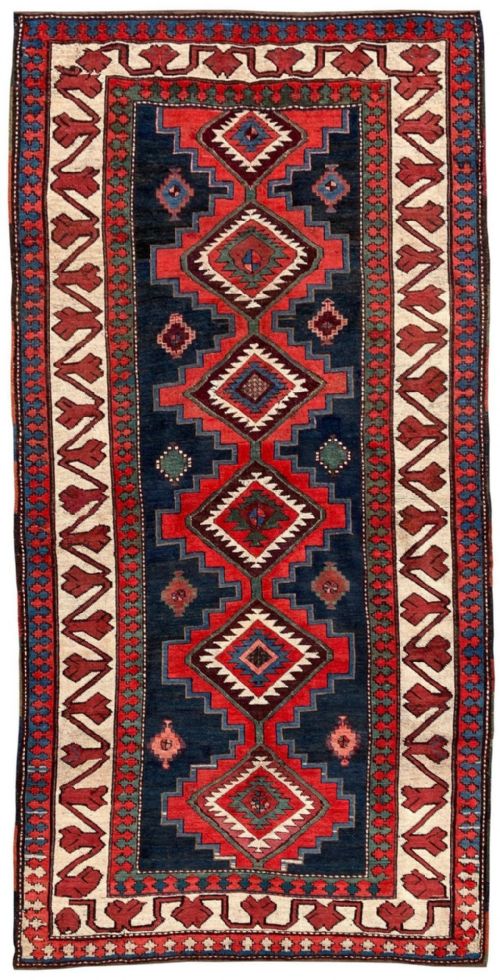
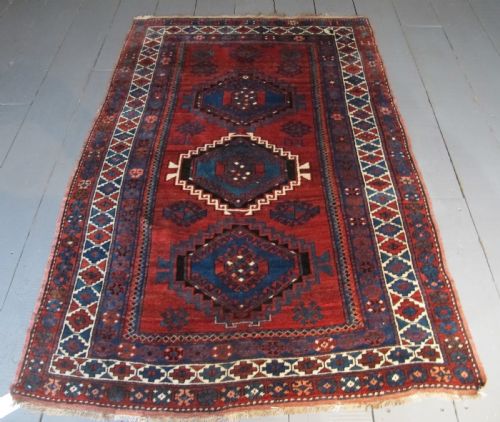


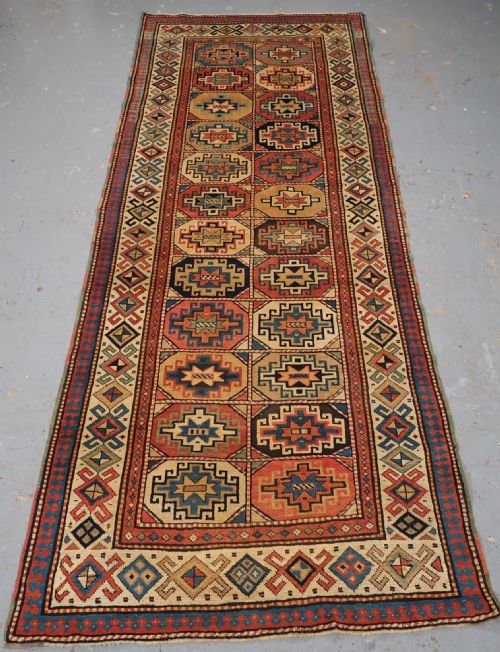

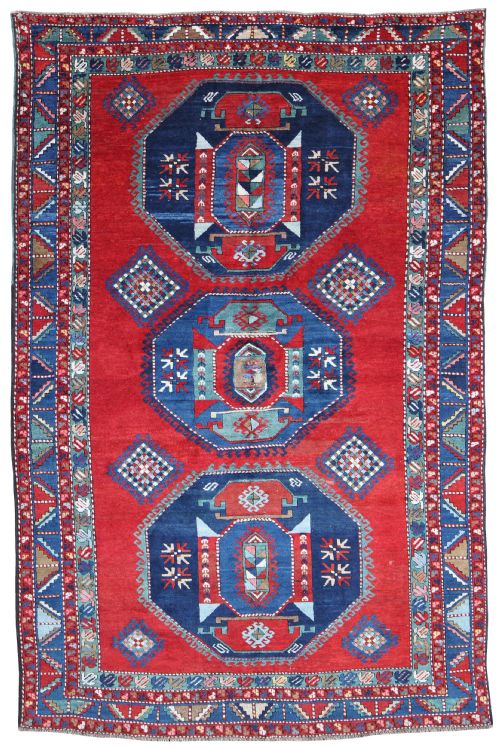
Kazak Medallion Runner
These kazak medallion runner selections bring bold Caucasian tribal geometry and rich wool textures directly into your hallway.
Kazak Medallion Runner
A kazak medallion runner is a tribal floor covering originating from the Caucasus, distinguished by bold geometric motifs set along a linear format. You will most frequently encounter nineteenth-century and early twentieth-century examples on this page, spanning periods from the eighteen-eighties to the nineteen-thirties.
These pieces typically display characteristic central field designs, including hooked medallions, repeated motifs, and regional variations associated with Karabagh, Moghan, Gendje, and Chelaberd. The forms available range from dedicated runners and long rugs to area carpets sharing the same tribal lineage.
The aesthetic is rooted in folk art expression, often incorporating figurative elements such as horses and people alongside traditional geometric symbols. Choosing one of these runners means introducing authentic Caucasian weaving traditions into domestic spaces.
How they were made
The construction of these textiles relies fundamentally on wool, with numerous examples specifically utilising hand-spun wool for both foundation and pile. This material choice yields a dense, durable surface capable of withstanding generations of foot traffic while maintaining its structural integrity.
Weavers in the Caucasus employed traditional hand-knotting techniques, building up intricate geometric patterns through a careful arrangement of dyed yarns. The resulting pile interacts with natural light to highlight the varied textures of the wool.
Listings span production dates from 1880 to 1930, capturing late nineteenth-century and early twentieth-century Caucasian weaving traditions.
What varies in quality
Quality in these runners is dictated by the crispness of the geometric drawing and the artistic confidence behind the tribal motifs. Weavings that display well-defined latch hook details and balanced proportions sit at the upper end of the scale.
The handling of the wool and the depth of the palette also define the calibre of a piece. Softer, harmonious colour palettes combined with tight, precise knotting distinguish the finer examples from simpler work.
The Kazak Medallion Runner Glossary
- Medallion
- A central decorative motif placed within the field of a rug. In these pieces, medallions often feature geometric or hooked outlines.
- Latch hook
- A recurring stepped geometric ornament edging the medallions. This hooked motif is a defining characteristic of Caucasian tribal weaving.
- Runner
- A long, narrow carpet format designed for corridors, hallways, or narrow spaces. The format emphasises repeating patterns down its length.
- Gendje
- A regional designation from the Caucasus associated with specific design vocabularies in rug production. Pieces from this area often exhibit distinctive folk art elements.
- Karabagh
- A recognised weaving region in the Caucasus known for producing distinctive tribal rugs. Karabagh pieces contribute significantly to the variety of medallion designs seen here.
Kazak Medallion Runner: Frequently Asked Questions
Where were these runners made?
These runners originate from the Caucasus, a mountainous region bridging Europe and Asia. Historical production centres include specific areas such as Karabagh, Moghan, and Gendje.
Local weavers utilised traditional tribal designs passed down through generations, resulting in the distinct geometric styles seen today.
How do I date a kazak runner?
Dating relies on stylistic analysis, material examination, and comparison with documented examples from periods such as the late nineteenth and early twentieth centuries. Structural clues in the wool and weave provide further chronological markers.
Most pieces on this page date from the eighteen-eighties through to the nineteen-thirties, reflecting traditional Caucasian craftsmanship.
How should I care for an old wool runner?
Maintain your runner with regular gentle vacuuming without a rotating brush bar to protect the hand-spun wool pile. Professional cleaning suited for antique textiles preserves the integrity of the fibres.
Placing an appropriate underlay beneath the runner prevents excessive sliding and reduces wear from foot traffic.
What do the medallion designs mean?
The medallion designs serve as traditional tribal signatures and protective symbols rather than literal representations. Motifs such as hooked polygons and repeating elements draw on centuries of Caucasian folk art.
These patterns reflect the cultural heritage and local environment of the weavers who knotted them by hand.