





Traditional Japanese Lacquer
Traditional Japanese lacquer brings together centuries of expert craft, wood and gold leaf, offering collectors tactile history for the home.
Traditional Japanese Lacquer
Traditional Japanese lacquer pieces on this page span several centuries, reaching from the Muromachi and Edo periods into the Meiji era and the early twentieth century. You will encounter functional storage and personal items alongside decorative objects, reflecting the diverse applications of this durable finish.
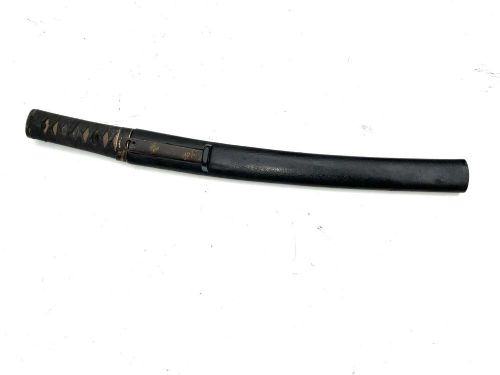
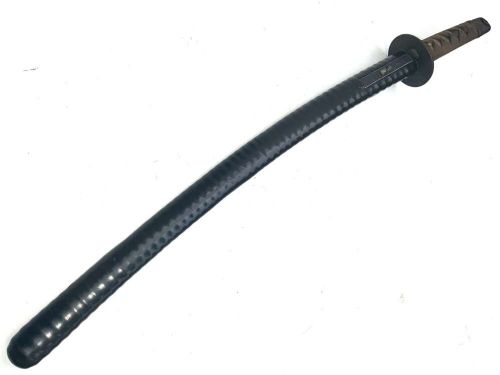
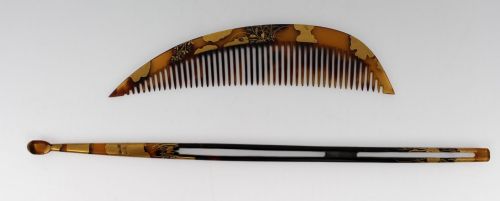
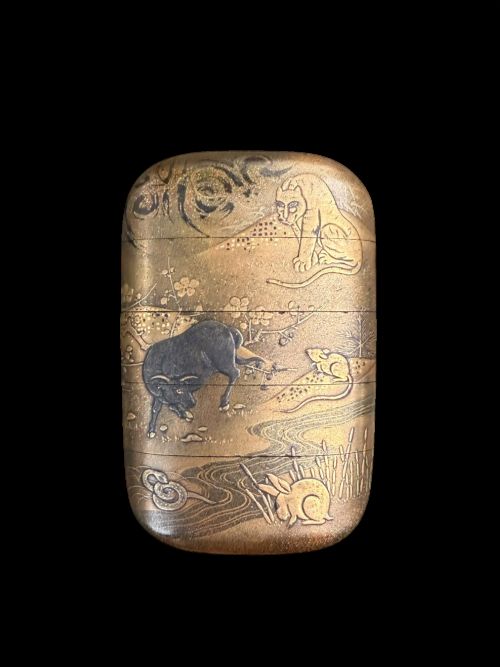
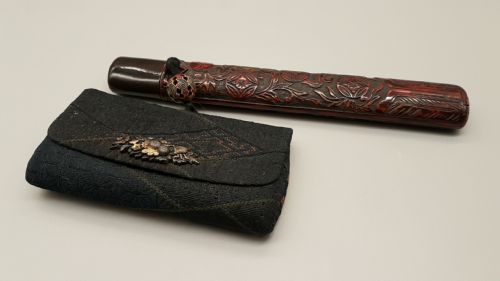
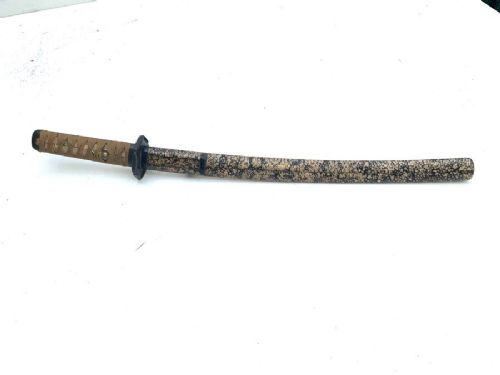
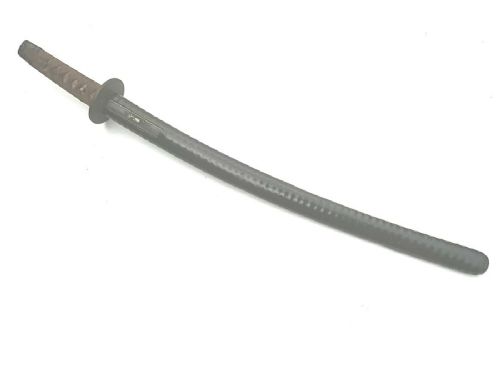
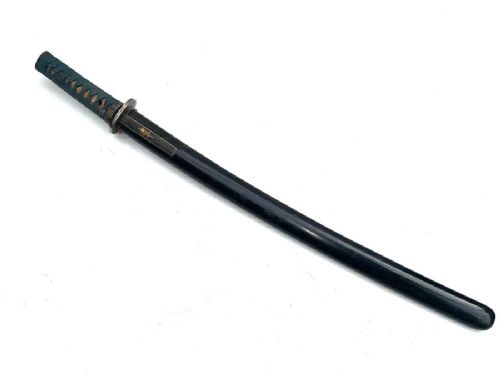
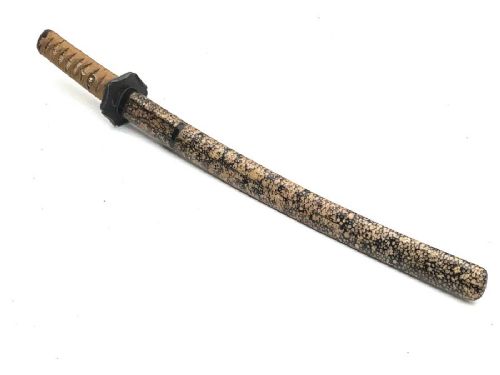
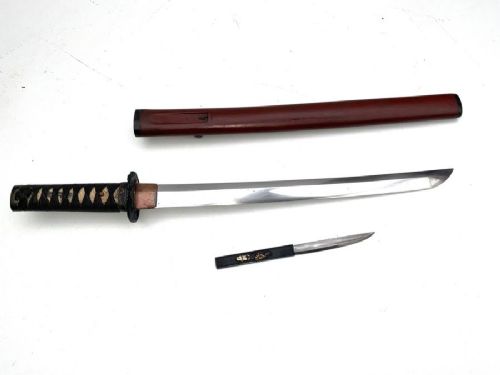
The selection ranges from portable items like inro, hair ornaments, spectacle cases and smoking ensembles to larger furniture such as tansu chests, storage cabinets and folding screens. Sword mountings and edged weapons also appear, showing how lacquer preserved and decorated metalwork alongside wood.
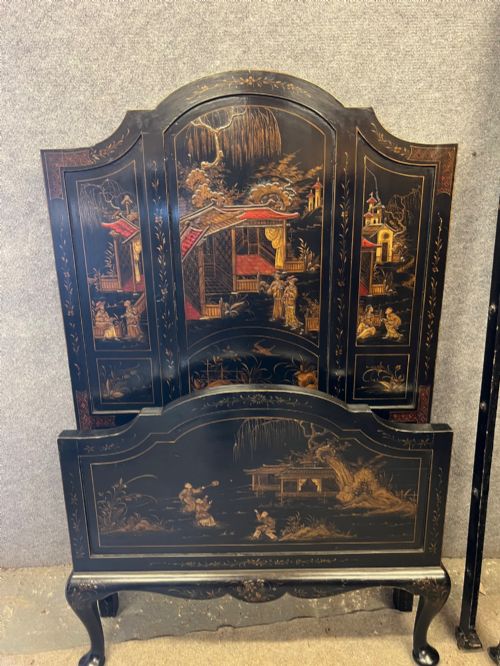
While earlier pieces demonstrate classical Edo craftsmanship, Meiji period examples bring intricate detailing and refined surface work. Alongside authentic Japanese pieces, the listings include European interpretations in the Chinoiserie and Queen Anne styles, showing how the aesthetic influenced Western furniture design.
Materials and construction
Makers built these pieces primarily from wood, applying successive coats of natural lacquer to create a hard, protective and glossy surface. Many examples incorporate gold leaf to build up raised designs and pictorial details, particularly on inro, cabinets and small accessories.
Traditional Japanese Lacquer Retail Price Guide 2026
Typical asking prices for traditional japanese lacquer among the pieces listed under this phrase on Sellingantiques today, from the lower quarter to the upper quarter. They describe what is for sale here now, not the wider market.
Samurai warriors stored their small personal items in lacquer inro, proving that even fierce fighters appreciated a well-organised pocket.
Judging quality and execution
Quality rests on the depth of the finish and the precision of the underlying carving or surface decoration. Finer pieces display smooth, even layers of lacquer without cracking, alongside crisp application of gold leaf and maki-e techniques.
The integrity of the wooden substrate and the stability of the lacquered surface dictate the overall standard. Superior examples retain their original mountings, fittings and delicate pictorial details intact, showing minimal disruption from age or use.
The Traditional Japanese Lacquer Glossary
- Inro
- A traditional Japanese small case for holding small objects, suspended from a sash. These stacked containers often feature intricate lacquer and gold leaf decoration.
- Tansu
- A traditional Japanese mobile storage chest built from wood. They often feature metal hardware and red lacquered or plain wood finishes.
- Wakizashi
- A traditional Japanese short sword carried by samurai. The mountings and scabbards frequently incorporate lacquered finishes and ray skin.
- Chinoiserie
- A European decorative style reflecting Chinese and Japanese artistic traditions. This style appears on British furniture such as nests of tables and clocks.
- Meiji Period
- The era of Japanese history lasting from eighteen sixty-eight to nineteen twelve. Pieces from this time often exhibit refined craftsmanship and detailed surface decoration.
Traditional Japanese Lacquer: Frequently Asked Questions
What is traditional Japanese lacquer made from?
Makers create these surfaces using the sap of the lacquer tree applied in multiple thin layers to a wooden base.
This material dries into a durable, moisture-resistant shell that accepts gold leaf and intricate pictorial designs.
How do I care for antique lacquer?
Keep pieces out of direct sunlight and away from extreme temperature fluctuations to prevent the wood and lacquer from drying out.
Dust gently with a soft, dry cloth and avoid chemical polishes or water.
What is an inro used for?
An inro served as a portable stacked container worn suspended from the traditional kimono sash by men.
Owners typically kept medicines, seals or small personal valuables inside these small decorative cases.
How do I tell Edo period from Meiji period pieces?
Edo period items generally reflect classical samurai aesthetics and restrained, functional elegance.
Meiji period pieces often display greater decorative complexity and world-facing craftsmanship following the opening of trade.