


Traditional Iron Fire Guard
These traditional iron fire guard examples combine practical hearth safety with period craftsmanship, offering a protective barrier for living spaces.
Traditional Iron Fire Guard
When you search for a traditional iron fire guard, you encounter functional hearth accessories designed to protect rooms from stray embers and sparks. These pieces range from sturdy nursery guards to decorative screens suited for period fireplaces.
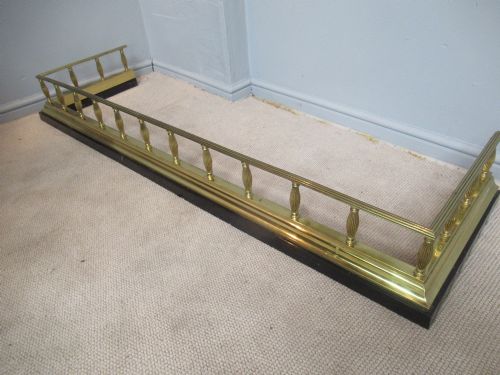
The selections available here lean heavily towards nineteenth century examples, encompassing Victorian and Edwardian periods alongside Regency and later twentieth century designs. Forms vary from simple mesh screens to elaborate fenders incorporating brass tops and clothes rails.
Originating largely from domestic English settings, these items reflect the practical needs of period interiors. You will find robust wrought iron constructions alongside combinations of cast iron, steel, and wire mesh.
How they were made
Makers utilised durable metals such as iron, wrought iron, and cast iron to build the primary structural frameworks of these hearth pieces. Techniques involved blacksmithing and forging to shape the heavy metal components into stable barriers.
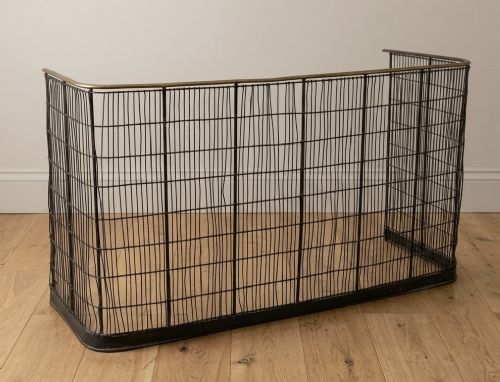
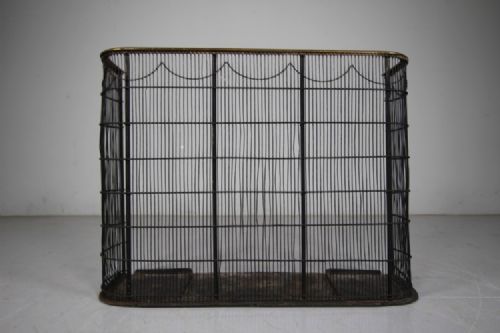
Fine wire mesh was incorporated alongside steel and brass elements to create protective screens that maintained visibility of the fire while containing sparks. Additional details sometimes included leather or mahogany top rails for seating or handling.
Combinations of bronze, brass, and polished steel frequently accented the core iron structures, adding decorative contrast to the utilitarian metalwork.
Object forms include nursery fenders, club fenders with leather or mahogany tops, wire mesh screens, and companion sets.
What varies in quality
Quality in a traditional iron fire guard rests upon the weight and integrity of the metalwork, distinguishing heavy forged pieces from lighter constructions. The robustness of the wire mesh and the precision of the joints reveal the maker's hand.
Materials combined with the iron, such as solid brass rails, seasoned oak, or stitched leather, dictate the refinement of the piece. Fenders featuring integrated companion sets or clothes rails often demonstrate superior utility and more elaborate design.
The Traditional Iron Fire Guard Glossary
- Nursery fender
- A tall protective guard designed to encircle the hearth and keep children and pets at a safe distance from the open fire. These often feature fine wire mesh and sometimes include a top rail.
- Club fender
- A low hearth fender equipped with upholstered seats, traditionally positioned around the fireplace for warmth. They frequently combine iron or steel frames with leather tops.
- Wrought iron
- Iron that has been heated and shaped with tools by a blacksmith, yielding a fibrous structure visible in the finished grain. It offers high tensile strength suitable for decorative and structural hearth items.
- Fire screen
- A freestanding barrier placed in front of the fireplace opening when the fire is not burning to conceal the grate. They are constructed from iron, wire mesh, or brass.
- Cast iron
- Iron poured into a mould to create rigid components with detailed surface decoration. It provides the heavy foundation seen in many period hearth accessories.
Traditional Iron Fire Guard: Frequently Asked Questions
What is a nursery fender?
A nursery fender is an elevated safety barrier designed to surround the hearth completely. It prevents children and pets from getting too close to burning coals.
These pieces typically feature sturdy iron frames enclosing fine wire mesh panels. Some examples also incorporate a clothes rail along the top edge.
How do I choose the right size?
Measure your fireplace opening and the hearth stone before selecting a guard or fender. Ensure the piece leaves adequate clearance around the grate while fitting securely on the floor.
Consider whether you need a low fender or a tall enclosing guard based on your room layout. Height and depth dimensions determine how far the barrier extends into the room.
Are club fenders comfortable?
Club fenders incorporate padded leather tops designed to function as low seats around the hearth. They offer a traditional seating option close to the fire.
The sturdy iron or steel frames support the weight while keeping sitters at a safe distance from the flames.
How do I care for iron hearth accessories?
Keep iron and steel components clean by gently dusting them and applying appropriate metal care products sparingly. Avoid harsh moisture to prevent rust from forming on exposed surfaces.
Inspect wire mesh and joints periodically to ensure the structure remains stable during regular use.