



Traditional Indian Wool Rug
These traditional indian wool rug options bring historical North Indian weaving traditions into domestic spaces through rich pile and elaborate motifs.
Traditional Indian Wool Rug
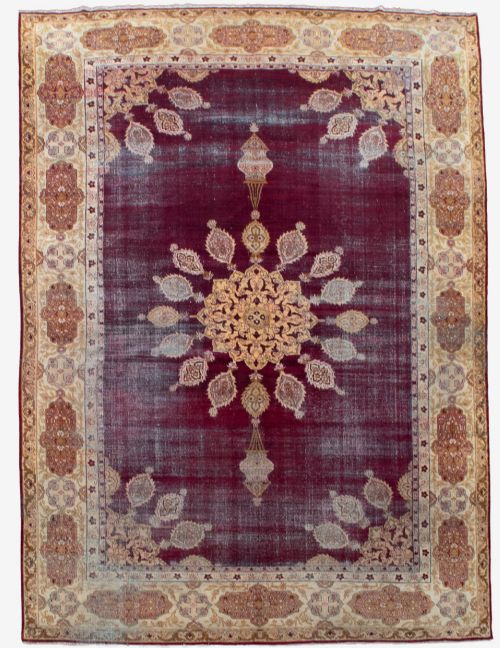
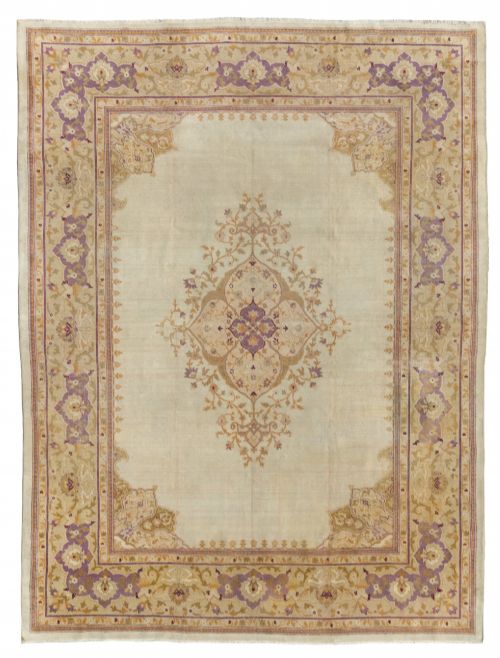
A traditional indian wool rug encompasses floor coverings, carpets, and textiles originating from regions like Amritsar, Agra, and Kashmir. Buyers searching this phrase encounter examples ranging from late nineteenth century large country house carpets to smaller area rugs and embroidered shawls. The pieces span periods from the eighteenth century through to the 1930s, displaying regional designs such as Mughal, Indo-Persian, and traditional Kashmiri patterns.
How they were made
The primary material employed is wool, frequently combined with cotton foundations and occasional metallic thread accents to create texture and structure. Weavers utilised hand-knotting and embroidery techniques, including chain stitch and crewelwork executed on sturdy textile backings. These methods allowed workshops to produce dense piles and intricate surface patterns that retained their integrity over decades of use.
Production relied on traditional hand-weaving operations situated in northern workshops, where skilled artisans constructed large-scale carpets and detailed smaller rugs. The integration of wool and cotton provided durability, while specialised needlework yielded elaborate pictorial and geometric compositions.
Traditional Indian Wool Rug Retail Price Guide 2026
Typical asking prices for traditional indian wool rug among the pieces listed under this phrase on Sellingantiques today, from the lower quarter to the upper quarter. They describe what is for sale here now, not the wider market.
The listings span multiple centuries, incorporating eighteenth century Mughal fragments alongside nineteenth century Agra carpets and early twentieth century Kashmir chain stitch examples.
What varies in quality
Quality differences emerge in the density of the knotting or stitching and the preservation of the original pile across the surface. Finer examples display greater precision in the execution of Mughal and traditional Indian motifs, maintaining structural cohesion even in large formats.
The depth and vibrancy of the wool dye lots, alongside the integrity of the cotton foundations, distinguish superior pieces from heavily worn or fragmented textiles. The retention of original dimensions and the complexity of the design work further separate standard room rugs from exceptional works.
The Traditional Indian Wool Rug Glossary
- Amritsar
- A prominent carpet-weaving centre in Northern India known for producing large-scale country house carpets during the nineteenth century. These pieces often incorporate robust wool piles and traditional regional designs.
- Agra
- A historic production location associated with large antique carpets dating from the nineteenth century. Agra pieces frequently feature intricate all-over patterns executed in wool and cotton.
- Kashmir
- A region renowned for specialised textile production, including chain stitch rugs, embroidered wedding shawls, and crewelwork. Artisans here utilised fine needlework techniques on wool and cotton.
- Mughal
- A classical design style originating from court patronage, characterised by sophisticated floral and geometric arrangements. This aesthetic heavily influenced the ornamentation of North Indian carpets.
- Chain Stitch
- An embroidery technique used in regional rugs and textiles to create continuous linear patterns. It is frequently applied to wool surfaces to produce detailed decorative effects.
Traditional Indian Wool Rug: Frequently Asked Questions
How do I clean a traditional indian wool rug?
Professional specialist cleaning is essential for antique wool and cotton textiles to prevent dye bleeding and fibre distortion.
Regular gentle vacuuming without a beater bar helps remove surface dust without damaging the pile.
Are these rugs suitable for heavy traffic areas?
Large room-size carpets and heavy wool pile rugs were originally designed for substantial domestic use.
Placing them in moderate traffic spaces while using a quality underlay helps protect the historical foundation.
How can I tell an Agra rug from an Amritsar rug?
Agra and Amritsar carpets both date primarily from the nineteenth century and share North Indian origins.
Distinction relies on subtle variations in wool texture, knot density, and the specific interpretation of traditional design motifs.
What is the difference between a rug and a carpet?
In historical listings, the distinction often relates simply to physical scale and intended placement within a room.
Carpets generally refer to massive floor coverings exceeding standard room dimensions, whereas rugs describe smaller formats.