




Traditional Impressionist Painting
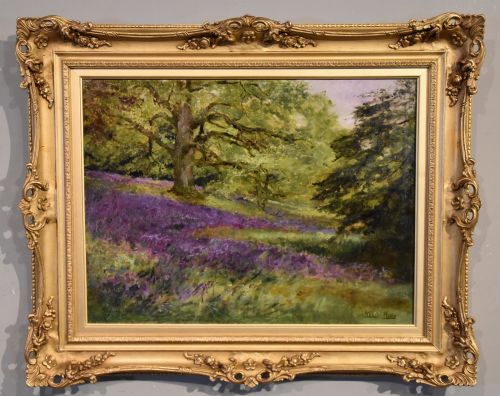
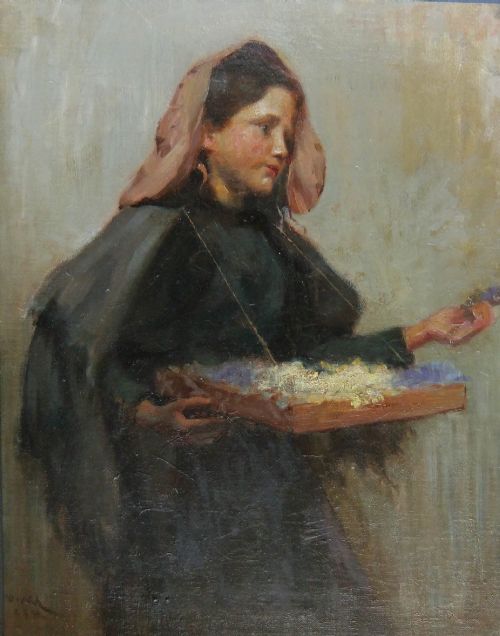
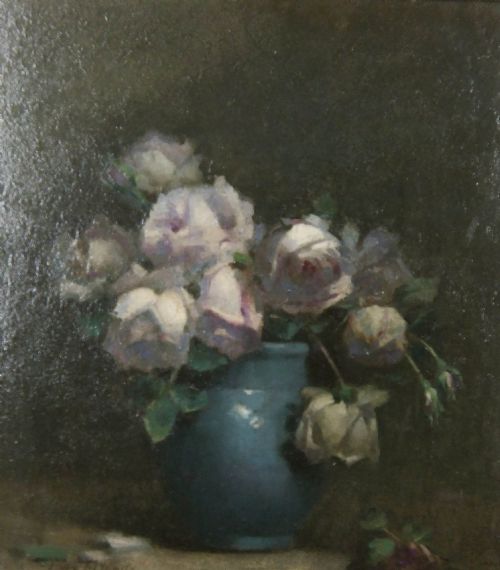
Traditional impressionist painting captures light and atmosphere across landscapes and still lifes through the hands of regional British and European artists.
Traditional Impressionist Painting
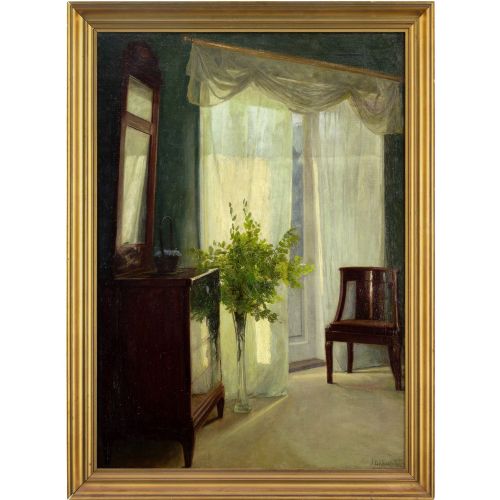
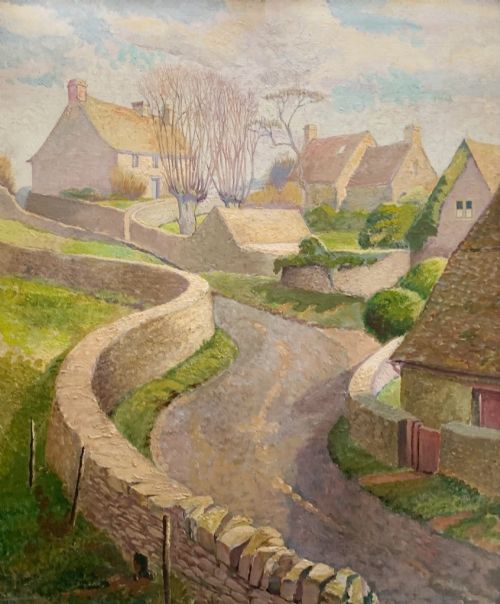
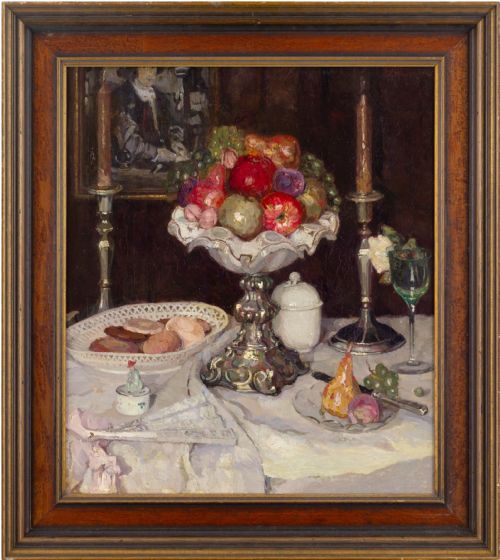
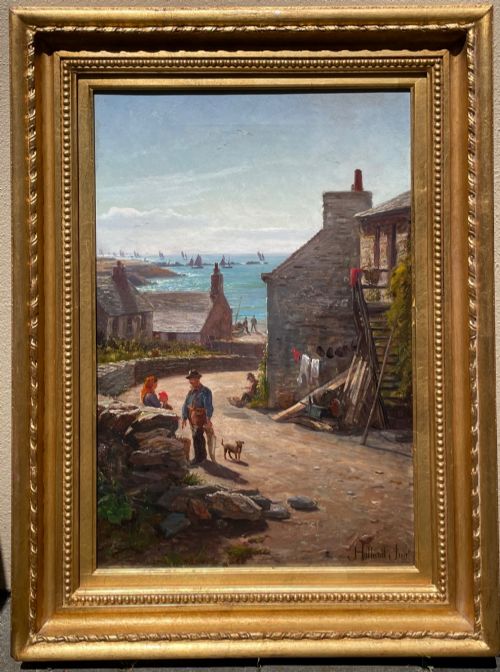
Traditional impressionist painting encompasses works executed in oil on canvas, wood panel, and paper, alongside watercolour paintings depicting harbours, valleys, coastal scenes, and domestic interiors.
The selections span from the late nineteenth century through the 1950s, representing British Impressionism, Scottish Impressionism, Post-Impressionism, and Victorian periods.
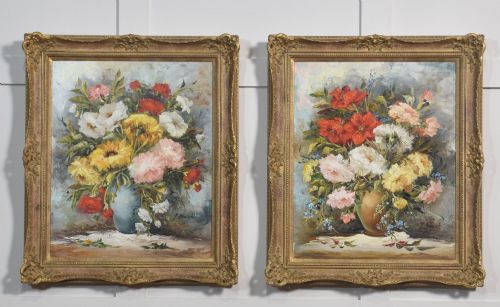
Collectors encounter framed landscapes, floral still lifes, and seascapes originating from English, Scottish, Welsh, and continental European schools.
How They Were Made
Artists applied oil paint and watercolour onto stretched canvas, prepared wood panels, card, and paper substrates to capture shifting natural light.
Many works incorporate original gilt frames that complement the brushwork and tonal palette of the period.
Recorded styles encompass British Impressionism, Scottish Impressionism, Post-Impressionism, and Victorian painting.
What Varies In Quality
Handling of brushwork and management of natural light distinguish individual canvases, reflecting the skill of the painter in recording atmosphere and depth.
Preservation of the original paint surface and the condition of the period framing contribute significantly to the standing of each piece.
George Graham·George Houston·William Banks Fortescue·John Lübschitz·Else Preußner·Manuela Bonati·Henry Yeen King·William Watt Milne·William Thomas Wood·John Holland·Alexander Wellwood Rattray·John Horace Hooper·Hubert Wellington·Archibald Kay·Owen Bowen·Charles Walter Simpson·Gertrude Hayes·Herbert Royle·Reginald Grange Brundrit·J. C Grey·Arthur Tucker·Willem Anton Alexander Knip·William Greaves·David Watts·John Atkinson
The Traditional Impressionist Painting Glossary
- Oil Paint
- A slow-drying medium composed of pigments suspended in a drying oil, typically linseed oil. This material allows artists to blend tones smoothly and build textured impasto surfaces.
- Canvas
- A heavy woven fabric stretched across a wooden frame to serve as a durable support for painting. It provides a slightly flexible and textured ground for oil applications.
- Watercolour
- A painting method in which pigment is suspended in a water-soluble vehicle on paper surfaces. It produces transparent washes of colour that rely on the white of the paper for luminosity.
- Gilt Frame
- A wooden moulding coated with gold leaf or metallic paint to enclose and finish a picture. These frames often reflect the decorative tastes contemporaneous with the artwork.
Traditional Impressionist Painting: Frequently Asked Questions
What subjects appear most often?
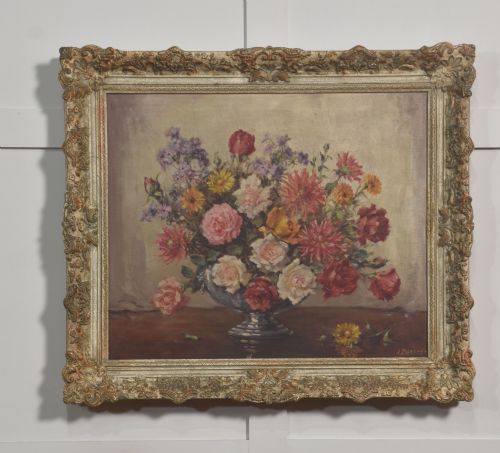
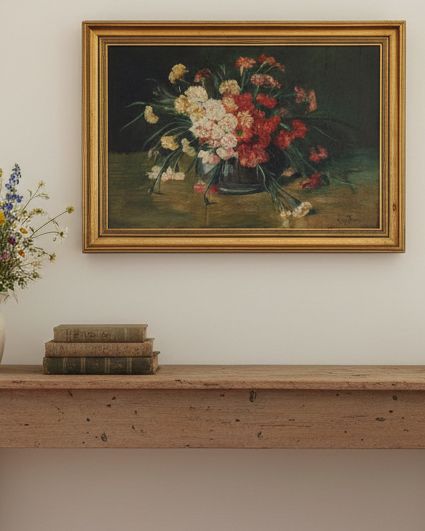
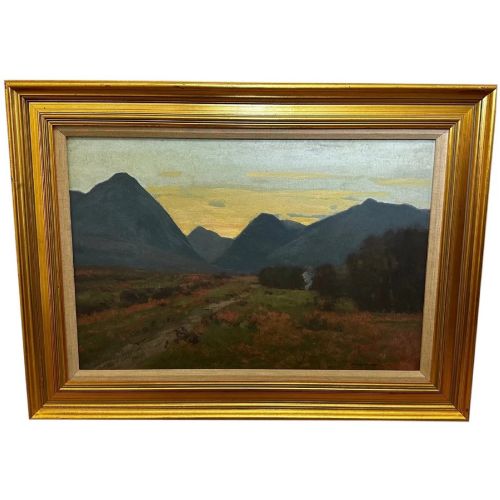
The available works show a strong preference for rural landscapes, river valleys, coastal harbours, and floral still lifes.
Artists frequently recorded scenes from specific regions in Britain, Ireland, and continental Europe during the early twentieth century.
How are the panels prepared?
Wood panels and canvas surfaces provide the primary grounds for these compositions.
Painters worked directly onto prepared canvas or wooden supports, sometimes incorporating textured brushwork suited to the subject.
Are original frames included?
Many paintings retain their period gilt frames, which date from the execution of the artwork.
These frames offer context regarding the historical presentation and display of the paintings.
Which periods do these represent?
The inventory spans the late nineteenth century, Victorian era, Edwardian period, and the decades leading up to the 1950s.
Post-impressionist and early twentieth-century British and Scottish schools form the core of the selection.