

Traditional Horse Wall Art
Traditional horse wall art captures the powerful presence of the equine form through centuries of sporting and domestic portraiture.
Traditional Horse Wall Art
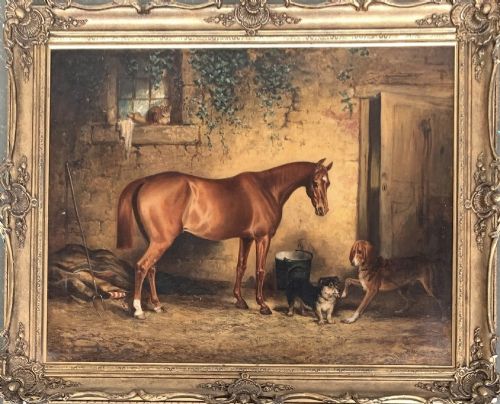
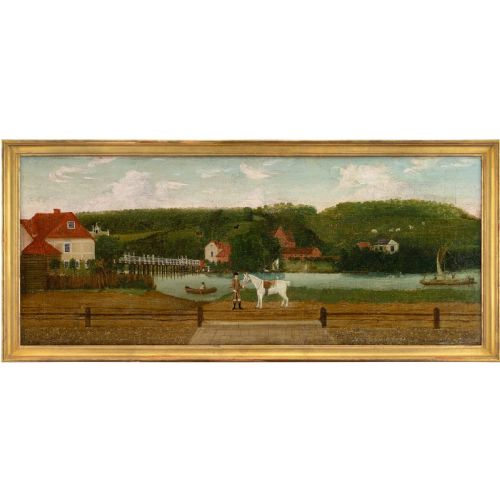
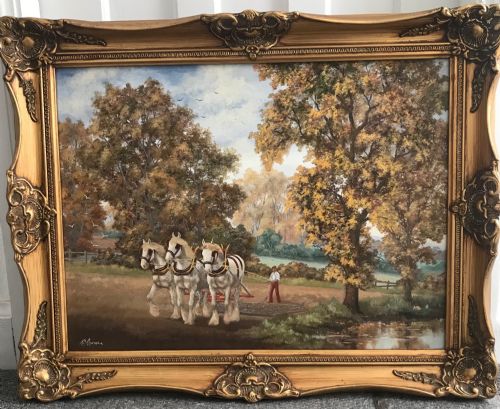
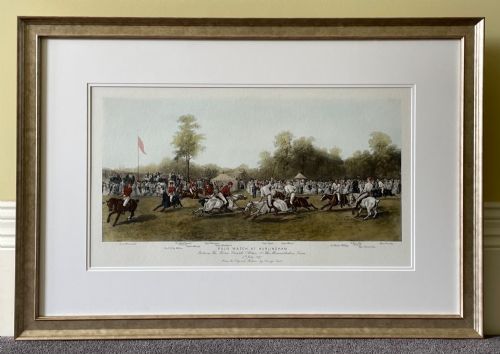
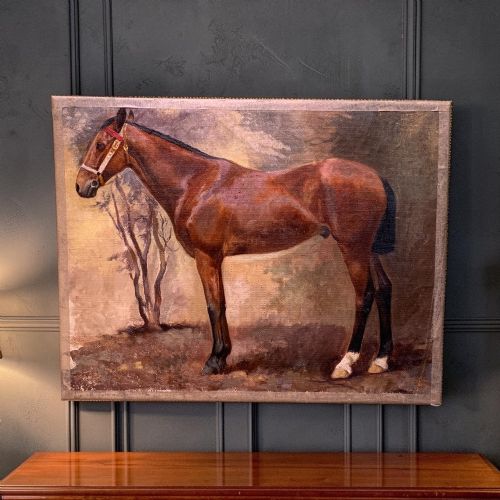
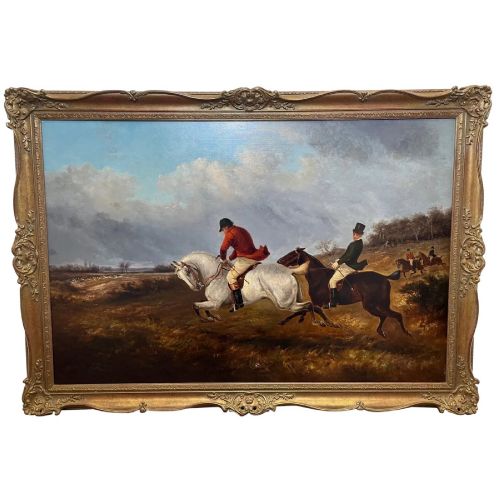
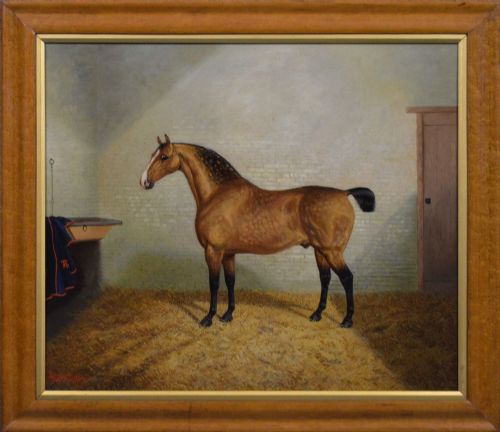
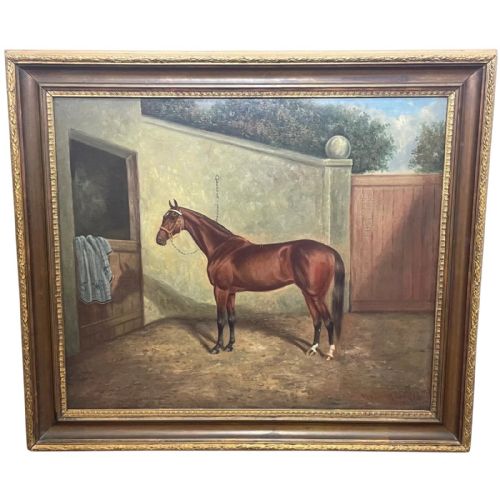
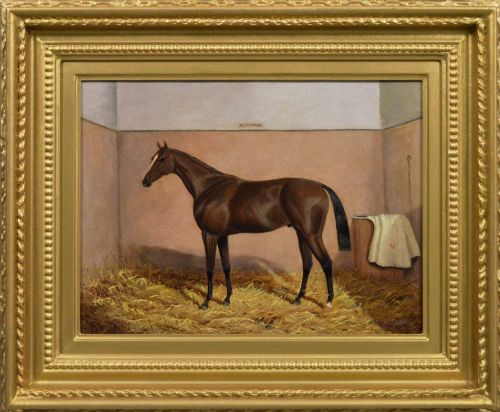
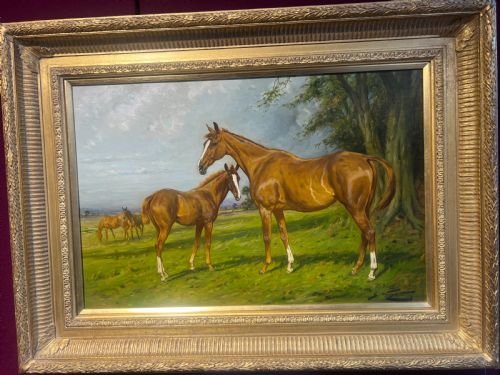
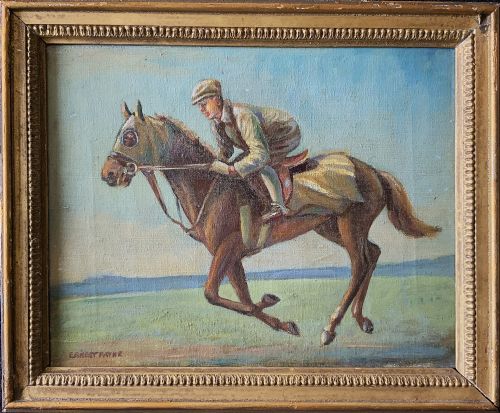
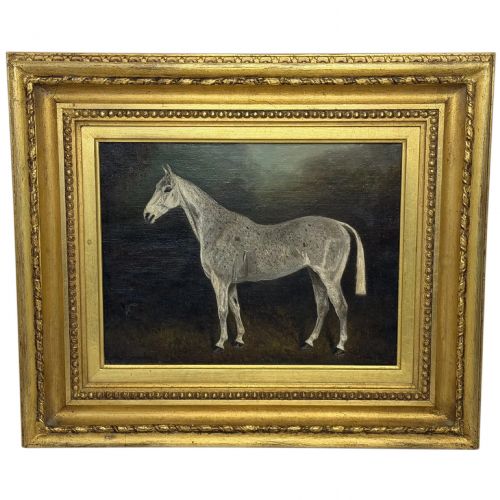
Traditional horse wall art encompasses oil paintings, watercolours, lithographs and framed prints depicting equine subjects from the Georgian era through to the mid-twentieth century. Buyers searching this phrase will predominantly encounter nineteenth-century and early twentieth-century oil paintings on canvas, alongside period watercolours and prints.
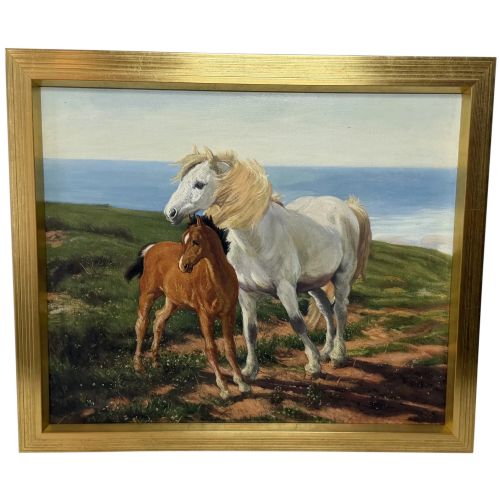
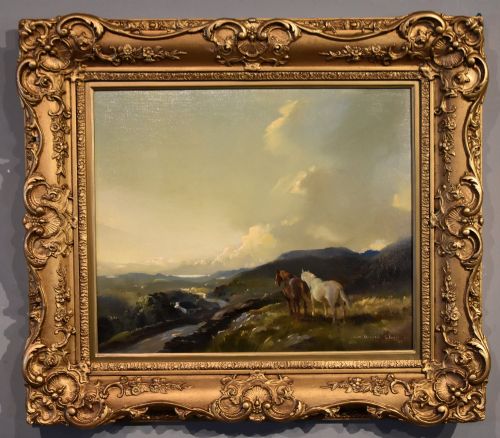
The subjects range from prized racehorses, hunters and polo matches to working farm horses, coaching scenes and rural landscapes. These works reflect the deep cultural ties between Britain and horses across different social spheres, spanning rural village life and estate settings.
Pieces from this category bring historical character to domestic interiors, often serving as focal points in a room due to their scale and subject matter. The diversity of the selection ranges from intimate animal portraits to large-scale hunting and racing scenes.
Materials and construction methods
The works rely primarily on oil paint applied to canvas, capturing texture and depth in the musculature and coats of the animals. Watercolours on paper and printed lithographs also appear, reflecting the varied mediums utilised by period artists.
Many of these pieces are housed in period frames, frequently constructed from wood with gilt enrichment that complements the traditional palette of the artwork. The physical support often shows age through the canvas weave or the character of the backing paper.
Traditional Horse Wall Art Retail Price Guide 2026
Typical asking prices for traditional horse wall art among the pieces listed under this phrase on Sellingantiques today, from the lower quarter to the upper quarter. They describe what is for sale here now, not the wider market.
Mediums recorded in the inventory include oil on canvas, watercolours, lithographs, and framed paper prints.
Distinctions in quality
Quality rests heavily on the anatomical accuracy of the horse and the sensitivity with which the artist captures its expression and movement. Finer pieces demonstrate a superior handling of light across the coat and a convincing integration of the animal within its landscape or stable setting.
The execution of the background, whether a detailed estate view or a brisk rural field, separates works by accomplished painters from standard decorative pieces. Provenance and attribution to recorded artists further elevate the standing of an individual work.
Henry Barraud·Thomas Smythe·Albert Clark·George Wright·John Alfred Wheeler·John Frederick Herring Snr
The Traditional Horse Wall Art Glossary
- Equine portrait
- A painting or drawing focused primarily on an individual horse, often commissioned to record a specific animal's appearance or racing victories. These works prioritise the likeness and conformation of the subject.
- Sporting art
- A genre dedicated to depicting rural sports, including horse racing, fox hunting, shooting and coaching scenes. It holds a distinct place in British artistic tradition.
- Lithograph
- A planographic printing process used to produce multiple impressions of an image from a flat stone or metal plate. Nineteenth-century examples often reproduce popular paintings of the era.
- Giltwood
- Wood that has been coated with a thin layer of gold leaf or gilt paint. This material is common on traditional picture frames accompanying period paintings.
Traditional Horse Wall Art: Frequently Asked Questions
How do I date traditional horse wall art?
Dating relies on stylistic clues within the painting, such as the cut of the rider's clothing, tack on the horse, and the framing materials. Signatures, dates inscribed on the canvas, and artist biographical records provide the most accurate timeline.
Changes in artistic convention across the nineteenth and early twentieth centuries also help narrow down the period of execution.
What is the difference between a portrait and a sporting scene?
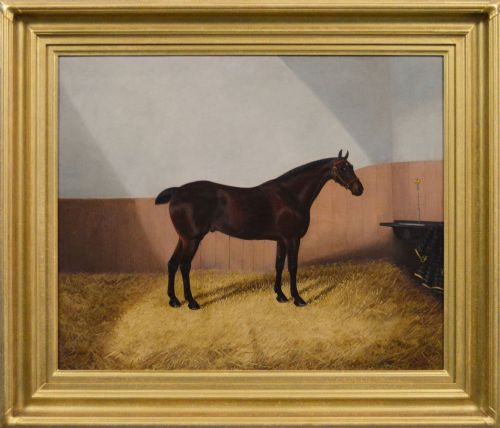
An equine portrait focuses squarely on the individual animal, often standing in a stable or posed against a neutral background. A sporting scene places the horse in an active context, such as a hunt, race or coaching journey.
Both categories fall under traditional horse wall art but serve different visual roles in a room.
How should I hang and light these pieces?
Traditional oil paintings and watercolours require protection from direct sunlight to prevent fading of the pigments and canvas degradation. Hanging them at eye level on stable interior walls ensures optimal viewing.
Directional picture lights or balanced ambient room lighting help reveal the depth and texture of the oil paint without causing heat damage.
Are these works usually signed by the artist?
Many period pieces bear a signature or monogram from the painter, though others remain anonymous or attributed to a specific school. Unsigned works can still be identified through distinct brushwork, subject matter, and regional style.
Documentation on the reverse of the canvas or frame often sheds light on the creator.