

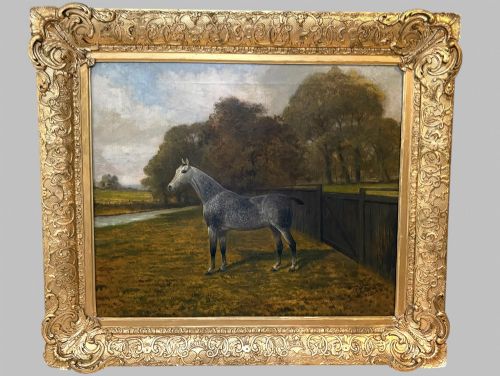
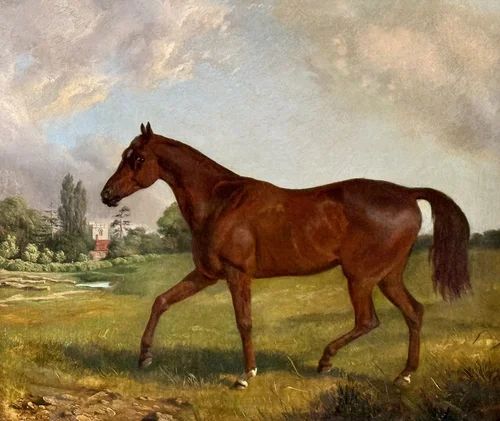
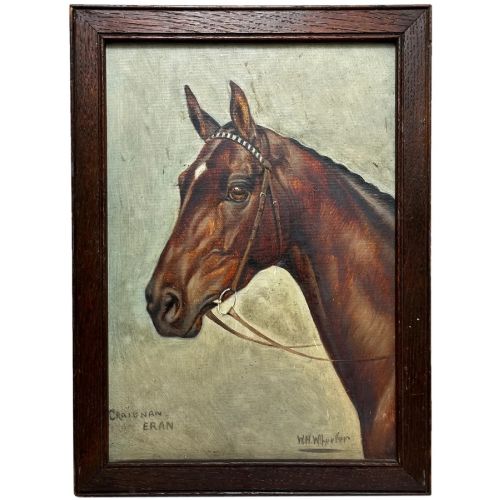
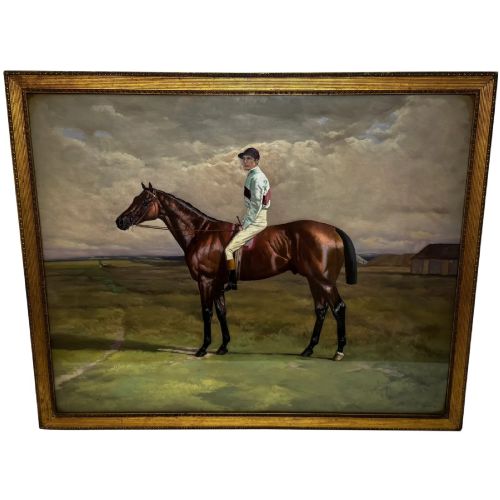
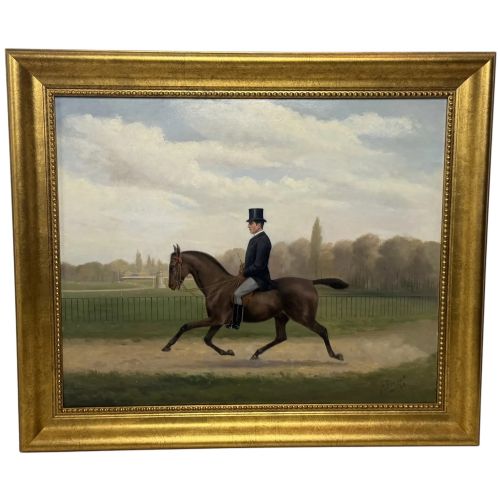
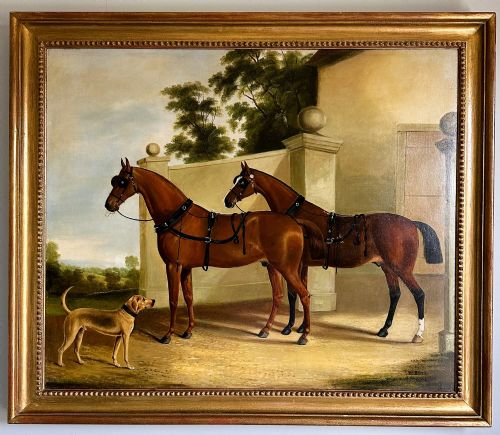
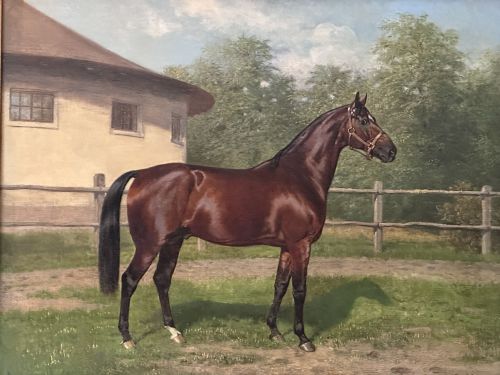
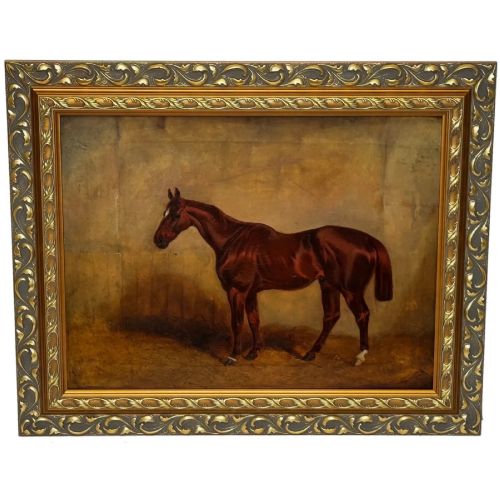
Traditional Horse Oil Artwork
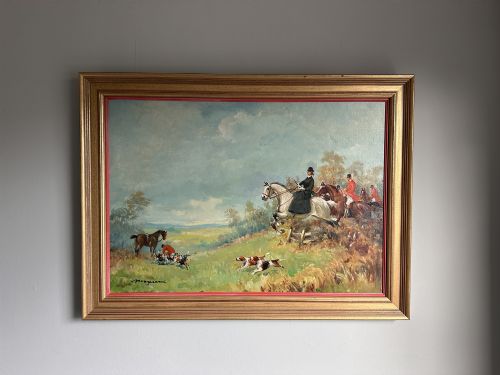
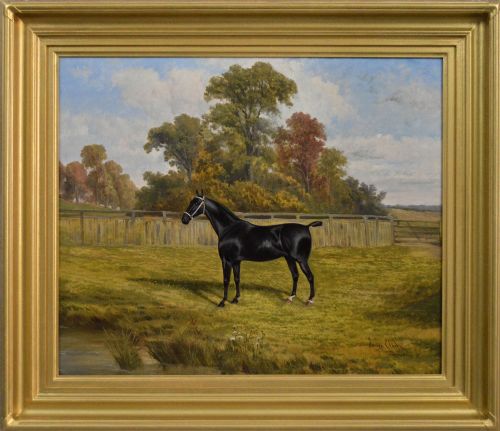
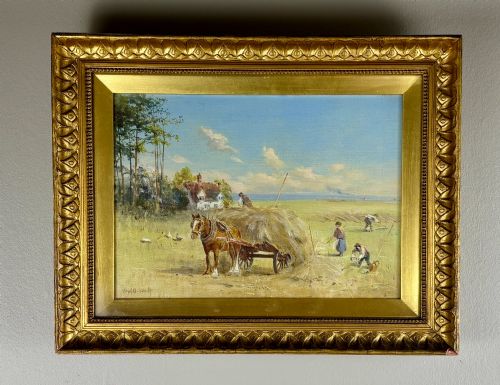
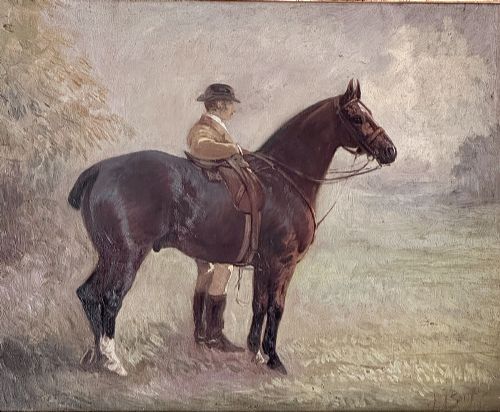
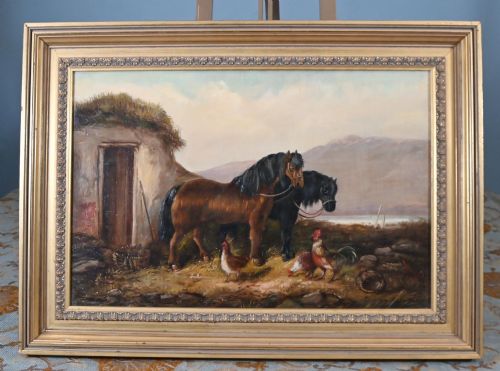
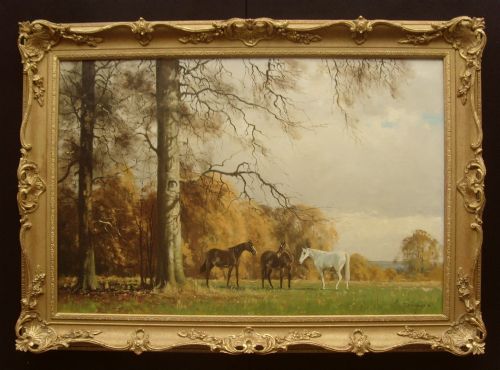
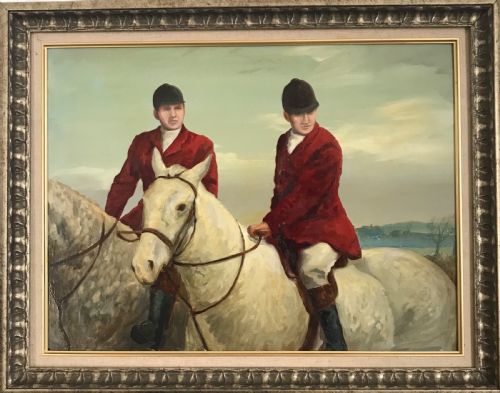
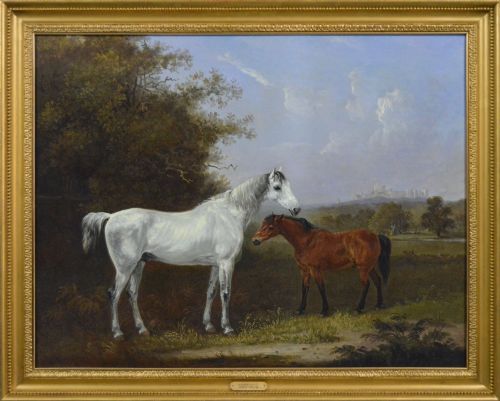
Traditional horse oil artwork captures equine subjects across centuries, offering buyers rich depictions of hunters, racehorses and rural scenes rendered in oil paint on canvas.
Traditional Horse Oil Artwork
Traditional horse oil artwork comprises paintings executed in oil paint, predominantly on canvas, spanning the Georgian, Victorian, Edwardian and later periods.
Buyers encounter individual equine portraits of bays, chestnuts and greys alongside broader sporting scenes featuring carriage horses, hunting parties and farmyard environments.
The works derive from British and French artistic traditions, capturing horses in stables, meadows, racing tracks and rural landscapes.
How they were made
Artists applied oil paint to prepared canvas surfaces, occasionally utilising wood panels for support.
Canvases were frequently housed within decorative gilt or giltwood frames that complemented the tonal depth of the oil pigments.
Traditional Horse Oil Artwork Retail Price Guide 2026
Typical asking prices for traditional horse oil artwork among the pieces listed under this phrase on Sellingantiques today, from the lower quarter to the upper quarter. They describe what is for sale here now, not the wider market.
Several equine subjects bear famous racing names like Spion Kop and Flying Fox, immortalised by Victorian and Edwardian brushes.
What varies in quality
Quality depends upon the anatomical accuracy and expressive handling of the horse by the artist, distinguishing skilled observation from rigid portraiture.
The preservation of the oil paint and canvas integrity, alongside the condition of the original gilt frame, influences the overall standard of the piece.
Charles Bilger Spalding·Henry Barraud·Walter Robin Jennings·Edmund Bristow·Edward Charles Williams·William Shayer·Thomas Smythe·Albert Clark·George Wright·John Alfred Wheeler
The Traditional Horse Oil Artwork Glossary
- Bay
- A horse coat colour characterised by a reddish-brown body with black points on the mane, tail and lower legs. This shade appears frequently in traditional equine portraits.
- Giltwood
- Wood carved and covered with a thin layer of gold leaf or gold paint. Frames of this material often enclose antique oil paintings.
- Equestrian
- Pertaining to horse riding or the representation of horses in art. Such works encompass hunting scenes, racing studies and stable portraits.
- Sporting art
- A genre of painting dedicated to rural sports, including horse racing, fox hunting and shooting. Many traditional works fall into this category.
Traditional Horse Oil Artwork: Frequently Asked Questions
What subjects appear in these paintings?
The works depict individual horse portraits, racehorses, hunters in stables, and broader rural landscapes involving carriage horses or hunting parties.
Animals are shown near familiar locations such as Windsor Castle, Hyde Park, or within countryside farmyards and estates.
Which periods do these artworks date from?
The pieces span from the Georgian era through the Victorian and Edwardian periods into the mid-twentieth century.
Dates recorded on the works range across the nineteenth and twentieth centuries, reflecting changing British and European artistic styles.
How should I display an oil painting?
Hang the canvas away from direct sunlight and steady moisture to protect the oil pigments and the underlying fabric support.
Keep the piece in a stable environment to prevent warping in both the canvas and any accompanying giltwood frame.
What materials make up these works?
Artists used oil paint applied to stretched canvas or occasionally wood panels to create the textured surface of each equine scene.
Many examples retain their period gilt frames, which provide structural border and decorative contrast to the painted imagery.