



Traditional High Back Settle
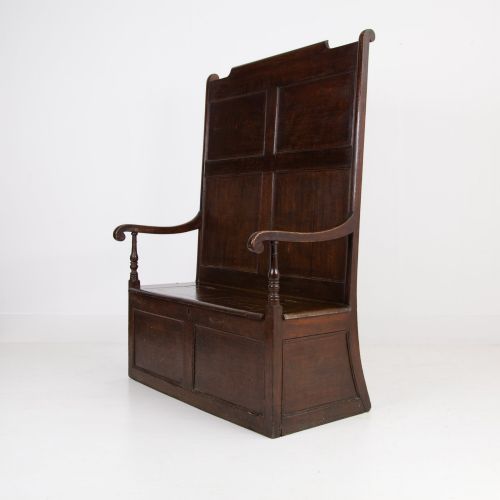
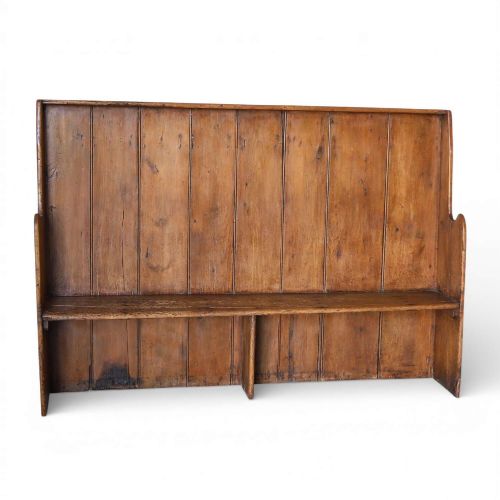
A traditional high back settle is a sturdy timber bench with a tall back designed to block draughts, offering a practical seat for any hallway or fireside.
Traditional High Back Settle
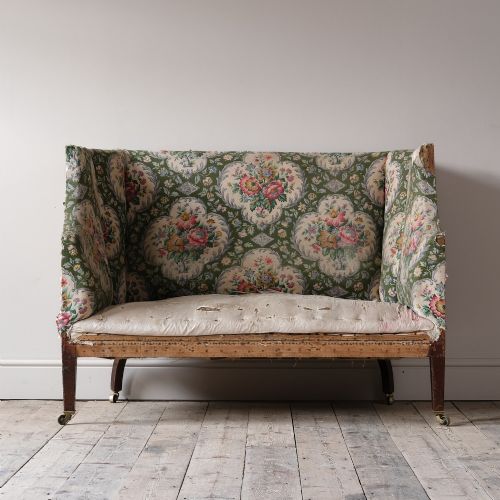
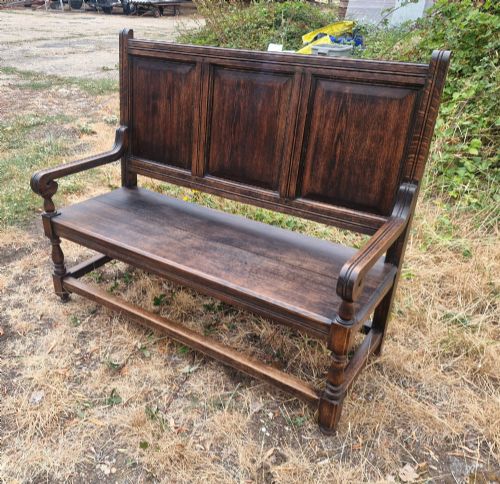
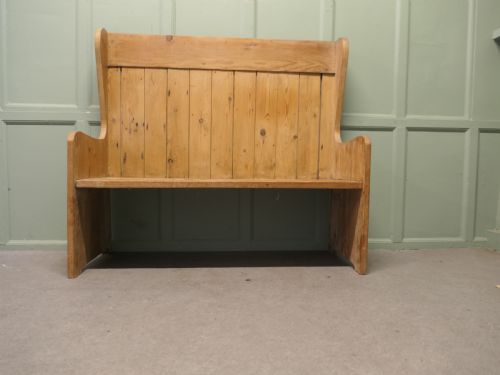
A traditional high back settle serves as a substantial seating choice derived from centuries of country furniture design, appearing frequently in oak and pine across this selection. These pieces function both as benches and as screens against cold air in domestic interiors, village pubs and rural halls.
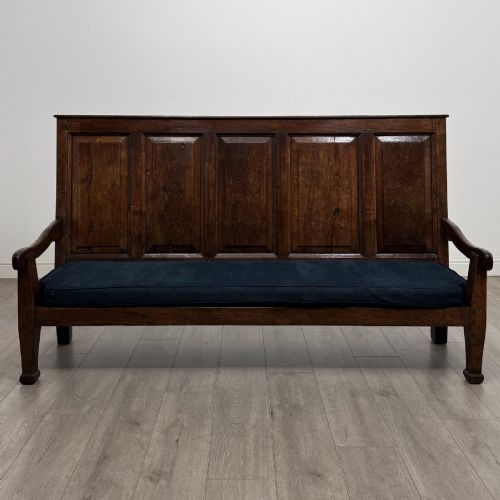
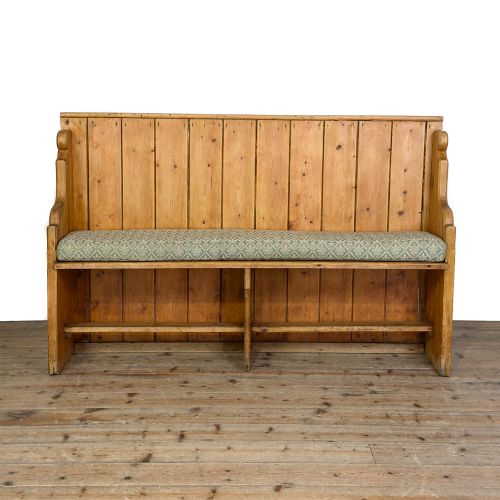
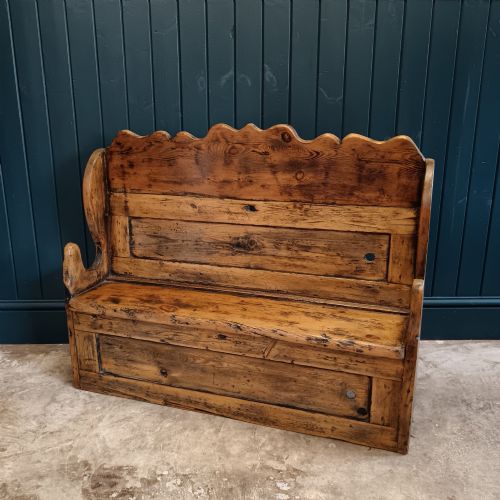
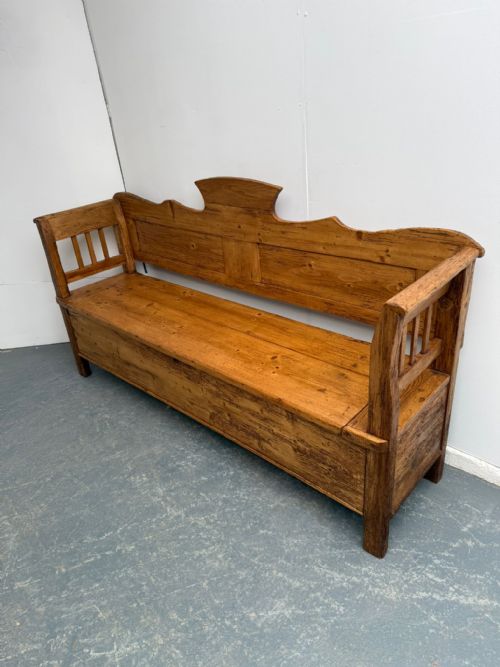
The inventory ranges from simple panelled oak benches dating to the eighteenth century through to nineteenth-century pine examples and later revival pieces. Buyers encounter both open-frame benches and box settles featuring integrated storage beneath the seat.
Regional variations span English country workshops, Welsh vernacular pieces, and occasional continental examples in walnut or painted finishes. Each piece retains the characteristic tall backplate intended to keep sitting occupants warm near an open hearth.
Materials and Construction
Joiners relied on native hardwoods and softwoods, predominantly building these seats from solid oak, pine, elm and occasional walnut. Timber planks were joined using traditional panel construction, mortise and tenon joints, and pegged frames to withstand heavy daily use.
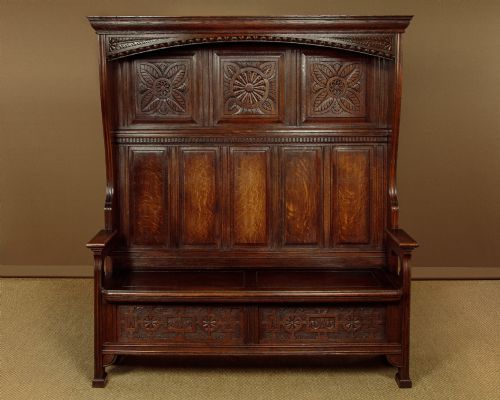
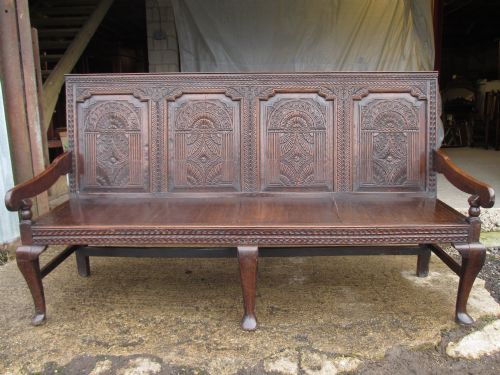
Surface treatments vary from waxed patinas and bleached finishes to original paint layers and limed effects. Selected pieces incorporate carved details, panelled backs, and hinged seats that reveal storage boxes beneath.
Traditional High Back Settle Retail Price Guide 2026
Typical asking prices for traditional high back settle among the pieces listed under this phrase on Sellingantiques today, from the lower quarter to the upper quarter. They describe what is for sale here now, not the wider market.
Regional styles represented include Welsh vernacular, English country, and seventeenth-century revival designs.
Assessing Craftsmanship and Condition
Quality rests in the integrity of the timber, the crispness of any carved decoration, and the survival of original surfaces such as early paint or warm wax patinas. Superior examples display thoughtful proportions and robust frame construction that has endured centuries of use.
The Traditional High Back Settle Glossary
- Box settle
- A bench featuring a hinged seat lid that opens to reveal a storage compartment underneath. This enclosed base helped keep firewood or household goods dry and tidy.
- Vernacular furniture
- Domestic items built by local craftsmen using regional timbers and traditional methods, rather than following formal metropolitan design patterns.
- Panelled back
- A wooden backrest constructed from framed stiles and rails enclosing thinner wooden panels. This method allowed timber to expand and contract safely with temperature changes.
- Patina
- The surface sheen and colour developed by wood over decades of handling, polishing and exposure to light. A desirable patina shows genuine age and careful maintenance.
- Lambing chair
- A specialised high-sided wooden seat, often upholstered or enclosed, designed to shelter shepherds or infants near a warm hearth.
Traditional High Back Settle: Frequently Asked Questions
What is a traditional high back settle?
A traditional high back settle is a wooden bench with a tall panelled or solid back designed to deflect cold draughts from firesides and hallways.
These pieces often include box storage beneath the seat and represent centuries of rural joinery traditions.
How were settles used in historical homes?
Settles served as primary seating beside open hearths, where their tall backs trapped radiant heat and blocked room air currents.
The enclosed lower box also provided practical storage for household items or fuel.
Which woods were commonly used for settles?
Joiners built settles using available native timbers, most frequently choosing sturdy oak and versatile pine.
Elm, walnut and painted softwood surfaces also appear across regional examples.
How do you date an antique settle?
Dating relies on examining the construction methods, tool marks, timber shrinkage, and stylistic details such as panelling styles.
Eighteenth-century examples typically show pegged joinery and hand-planed boards, while later pieces reflect Victorian or revival preferences.
Are all settles fitted with storage boxes?
Not all settles include storage, as many feature open frames with legs supporting the seat.
Box settles specifically incorporate a hinged lid over a compartment built into the base.