

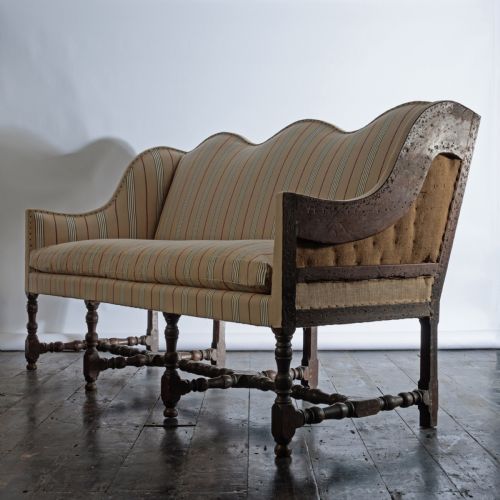
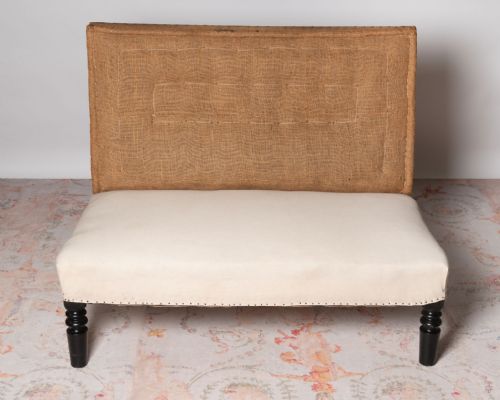


Antique Deconstructed Sofa
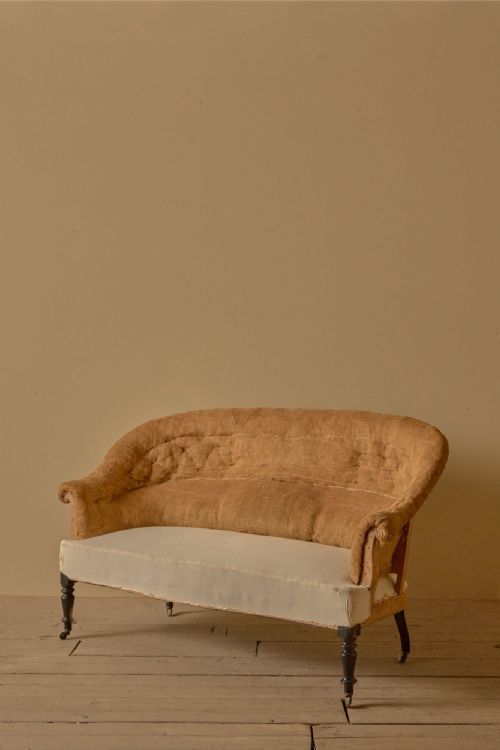
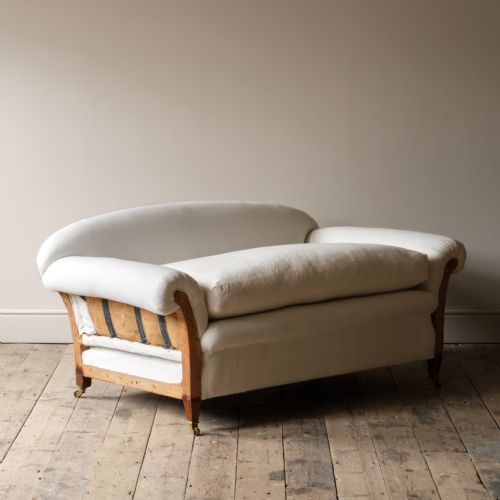
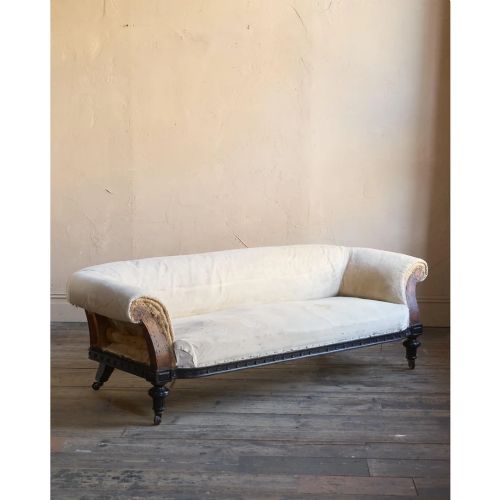
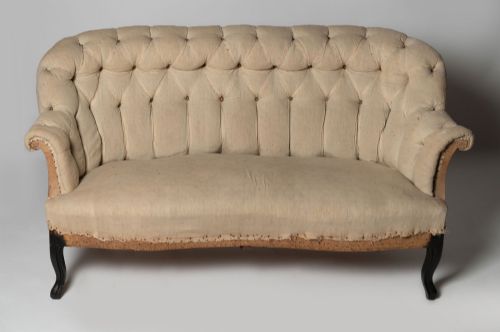
An antique deconstructed sofa strips away top covers to show the inner frame, webbing, and hessian beneath.
Antique Deconstructed Sofa
An antique deconstructed sofa exposes the underlying skeleton, webbing, and traditional stuffing rather than hiding them beneath finished upholstery. When you search for an antique deconstructed sofa, you encounter diverse forms ranging from nineteenth-century Chesterfields and deep-seated country house two-seaters to French banquettes and wingbacks.
The pieces listed on this page span several centuries, including seventeenth-century baroque designs, nineteenth-century Victorian and Regency examples, and early twentieth-century pieces up to the nineteen-thirties. You meet French Provincial styles alongside English country house pieces, often stripped back to reveal timber frames made of mahogany, walnut, or other woods.
How these sofas were made
Makers built the structural frames using timber such as mahogany and walnut, shaping elements like the piecrust edges on chaise longues and ebonised day beds. Brass components occasionally reinforce the construction or provide decorative detailing on specific frames.
Internal support relies heavily on hessian, calico, linen, and cotton to hold the padding in place. This exposed layering method leaves the raw materials and stitching visible to the eye.
Antique Deconstructed Sofa Retail Price Guide 2026
Typical asking prices for deconstructed sofa among the pieces listed under this phrase on Sellingantiques today, from the lower quarter to the upper quarter. They describe what is for sale here now, not the wider market.
Some nineteenth-century chaises retain their original piecrust wooden edges completely untouched by later upholstery.
What varies in quality
The integrity of the exposed timber frame dictates much of the standard, with denser woods and finer joinery marking out superior examples. The neatness of the remaining hessian and calico application also separates a careful stripping process from a hurried one.
Proportion and silhouette play a major role, distinguishing grander pieces like nineteenth-century Chesterfields and Regency sofas from simpler country benches and banquettes.
Hampton and Sons·Willian Trotter
The Antique Deconstructed Sofa Glossary
- Hessian
- A coarse woven fabric typically made from jute plant fibres, used inside upholstered furniture to support padding. It forms a primary visual element in deconstructed pieces.
- Calico
- A plain-woven cotton textile used as an inner layer beneath outer covers. In stripped sofas, it often remains tacked directly to the frame.
- Chesterfield
- A large upholstered sofa with deep buttoning, rolled arms, and a back of the same height. Nineteenth-century examples often appear in deconstructed formats.
- Ebonised
- Timber treated with a dark stain or finish to resemble ebony. This technique appears on nineteenth-century day beds and specific frames.
- Banquette
- A long upholstered bench or setofa, frequently seen in French provincial styles. They offer seating distinct from standard armchairs.
Antique Deconstructed Sofa: Frequently Asked Questions
What is an antique deconstructed sofa?
An antique deconstructed sofa is a piece stripped of its final decorative fabric to expose the hessian, calico, webbing, and timber frame beneath.
These pieces highlight the internal craftsmanship and materials that makers usually keep hidden from view.
How do I style a deconstructed sofa?
You integrate a deconstructed sofa into a room by letting its exposed wooden frames and raw fabric textures act as a focal point. They suit both traditional country houses and modern minimalist interiors.
Pair them with simple surroundings to draw attention to the inner webbing and historical construction.
Are these sofas comfortable to sit on?
Yes, they retain their original internal padding and supportive springs beneath the hessian and calico layers. The seating experience remains similar to traditional upholstered furniture.
Makers built these pieces for daily use in nineteenth-century drawing rooms and country houses.
How can I tell the period of a sofa?
You identify the period by examining the shape of the timber frame, the joinery methods, and the style descriptors such as Regency, Victorian, or seventeenth-century baroque.
Different eras favour distinct silhouettes, from deep-seated Chesterfields to French banquettes and ebonised day beds.