



Traditional Harbour Scene Wall Art
Traditional harbour scene wall art brings coastal life and maritime history directly into domestic interiors through period paintings.
Traditional Harbour Scene Wall Art
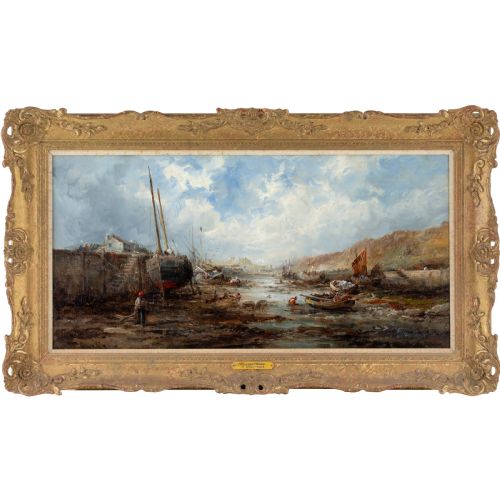
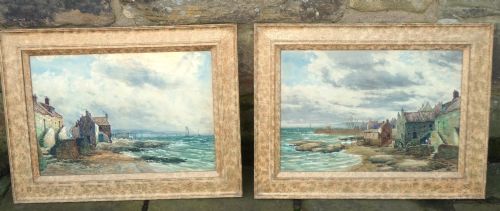
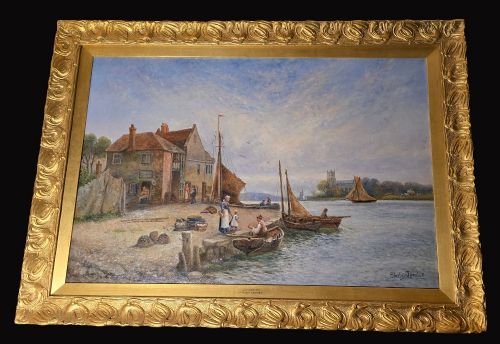
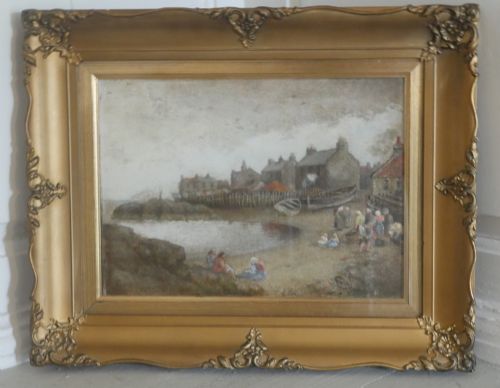
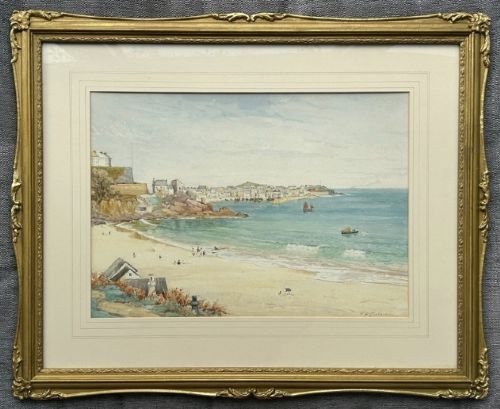
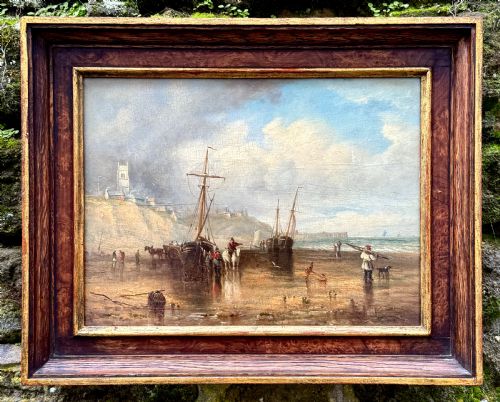
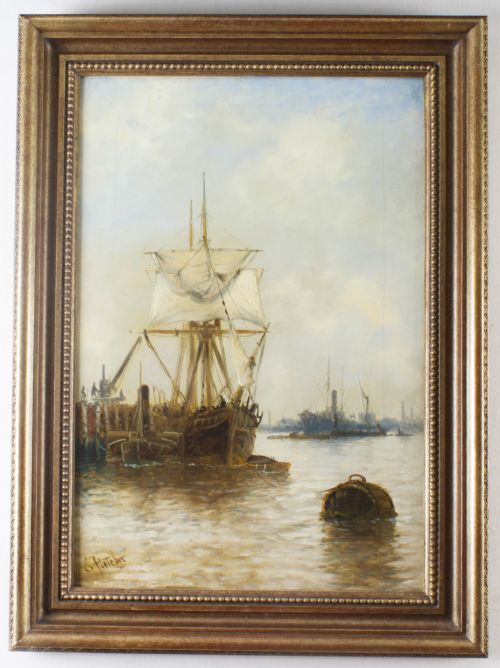
Traditional harbour scene wall art comprises oil paintings and watercolours depicting coastal views, fishing ports, and maritime activity. Buyers encounter works ranging from early nineteenth century canvases to mid twentieth century pieces.
The objects take the form of framed paintings and fine art works depicting specific locations such as St Ives, Whitby, and Portsmouth. Victorian maritime scenes and Edwardian watercolours dominate the selection.
These works capture coastal topography, shipping, and local figures working by the water. They reflect British and European coastal traditions across several decades.
How these pieces were made
Painters utilised oil paint on canvas and watercolour on paper to capture coastal light and water. Canvases are stretched over wood supports and housed in gilt wood or gilded frames.
Framing often includes hand enamelled polychrome details that complement the painted maritime subjects. Support materials range from paper and canvas to protective glass for watercolours.
Traditional Harbour Scene Wall Art Retail Price Guide 2026
Typical asking prices for traditional harbour scene wall art among the pieces listed under this phrase on Sellingantiques today, from the lower quarter to the upper quarter. They describe what is for sale here now, not the wider market.
Framing materials include wood, glass, and gilt wood, occasionally featuring hand enamelled polychrome decoration.
What varies in quality
Quality depends upon the artist's ability to render marine atmosphere, perspective, and coastal movement convincingly. Named makers with established records demonstrate finer brushwork and composition.
William Edward Webb·Stanley Leader·Edward Mills·William Banks Fortescue·Thomas Creswick·James Webb·John Callow·Ralph Todd·Jane Vivian·Charles France·Robert Leslie Howey·Edward Fletcher
The Traditional Harbour Scene Wall Art Glossary
- Oil on Canvas
- Pigment bound in an oil medium applied to a woven fabric stretched across a wooden frame. This technique allows for rich colour depth and textured brushwork.
- Watercolour
- A paint consisting of water-soluble pigments applied to paper. It produces translucent washes of colour well suited to coastal light.
- Gilt Wood
- Wood that has been coated with a thin layer of gold leaf or metallic gilt. This finish provides ornamental framing for traditional paintings.
- Coble
- A traditional type of open fishing boat originating from the north-east coast of England. These vessels frequently appear in regional maritime watercolours.
- Maritime
- Pertaining to the sea, shipping, and navigation. It defines the central subject matter of these coastal artworks.
Traditional Harbour Scene Wall Art: Frequently Asked Questions
How do I date a traditional harbour scene?
Dating relies on stylistic evidence, artist signatures, and framing methods typical of periods from the early nineteenth century onwards.
Changes in maritime dress and vessel types also help place works within specific decades such as the Victorian or Edwardian eras.
Are these works original paintings?
The selection consists of original oil paintings and watercolours created by period artists rather than modern reproductions.
Each piece represents a direct manual application of pigment to canvas or paper by the painter.
Where should I hang a marine painting?
These works suit dining rooms, studies, or living spaces where traditional interiors provide a sympathetic backdrop.
Placement should avoid direct sunlight to protect oil paint and watercolour pigments from fading over time.
What framing is common for these artworks?
Many pieces retain period frames constructed from wood and finished with gilt or hand enamelled details.
Original framing enhances the historic context of the painting but requires careful handling during placement.