
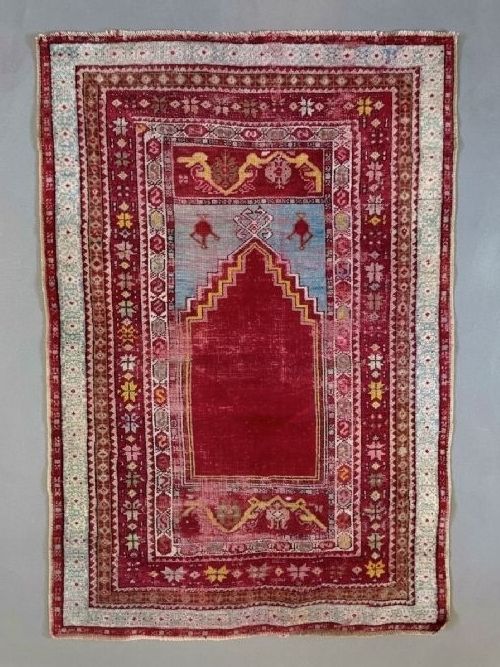
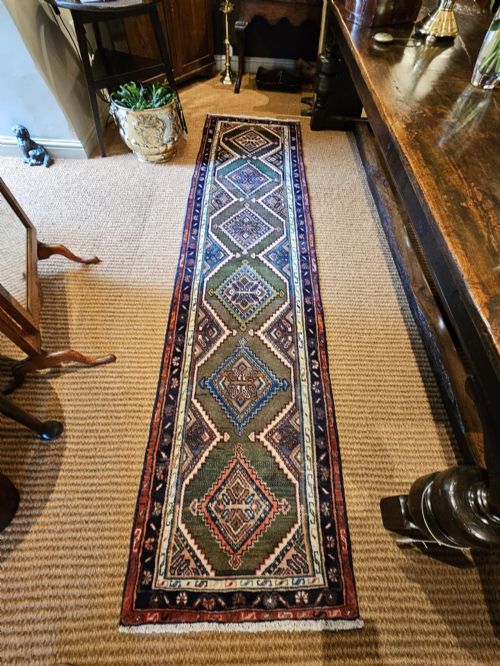

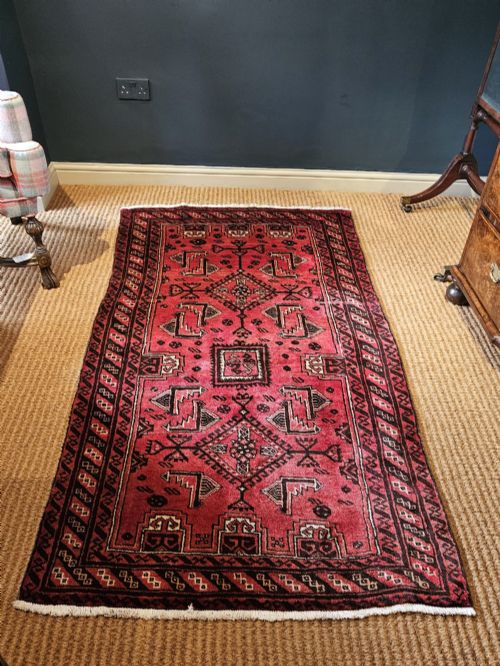
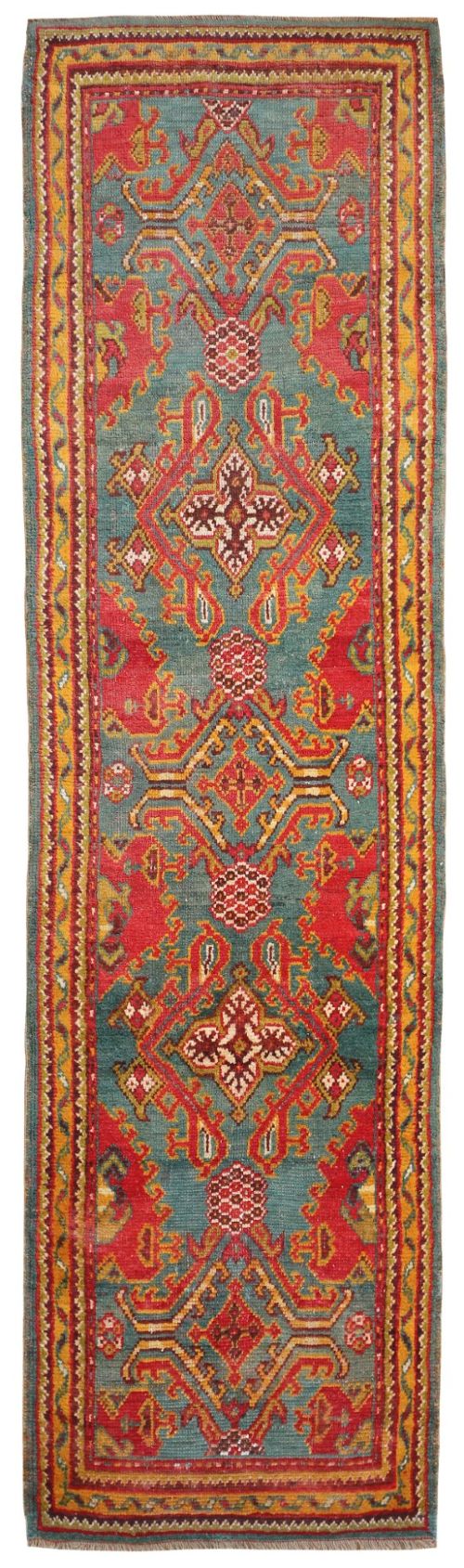

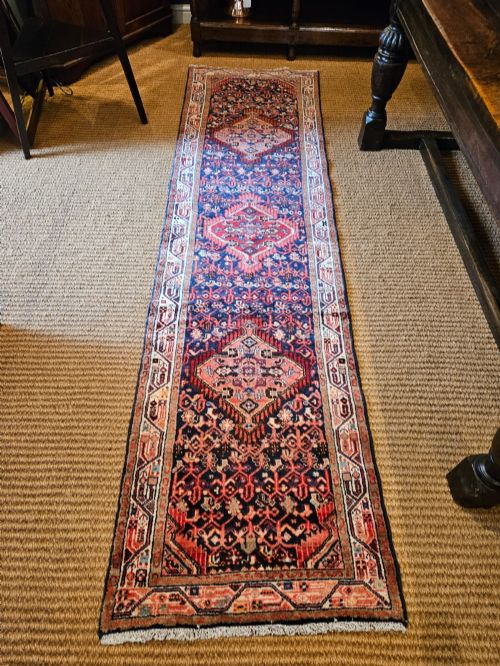
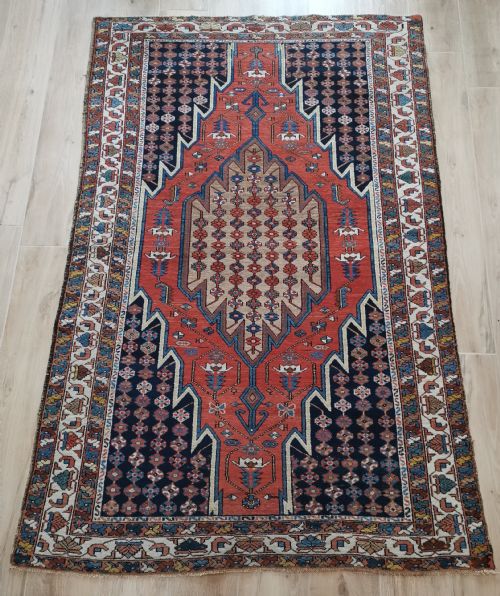
Traditional Handwoven Runner Rug
A traditional handwoven runner rug brings warmth and enduring pattern to a hallway, formed from time-honoured tribal and regional weaves.
Traditional Handwoven Runner Rug
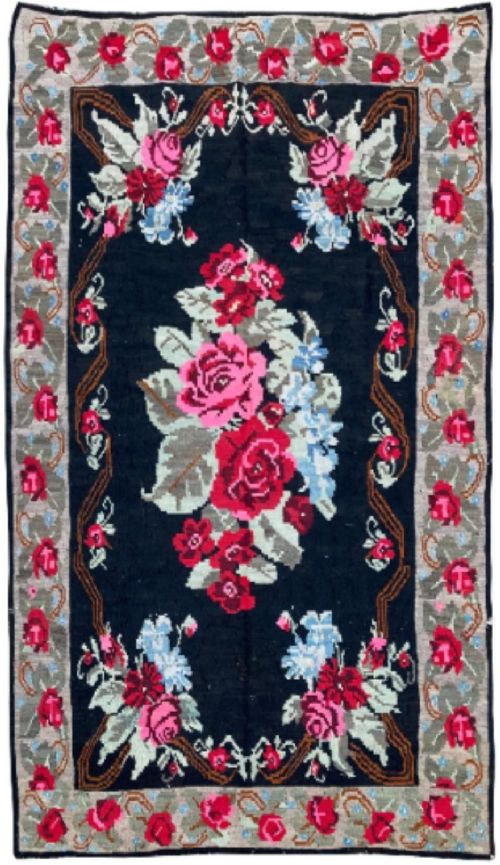
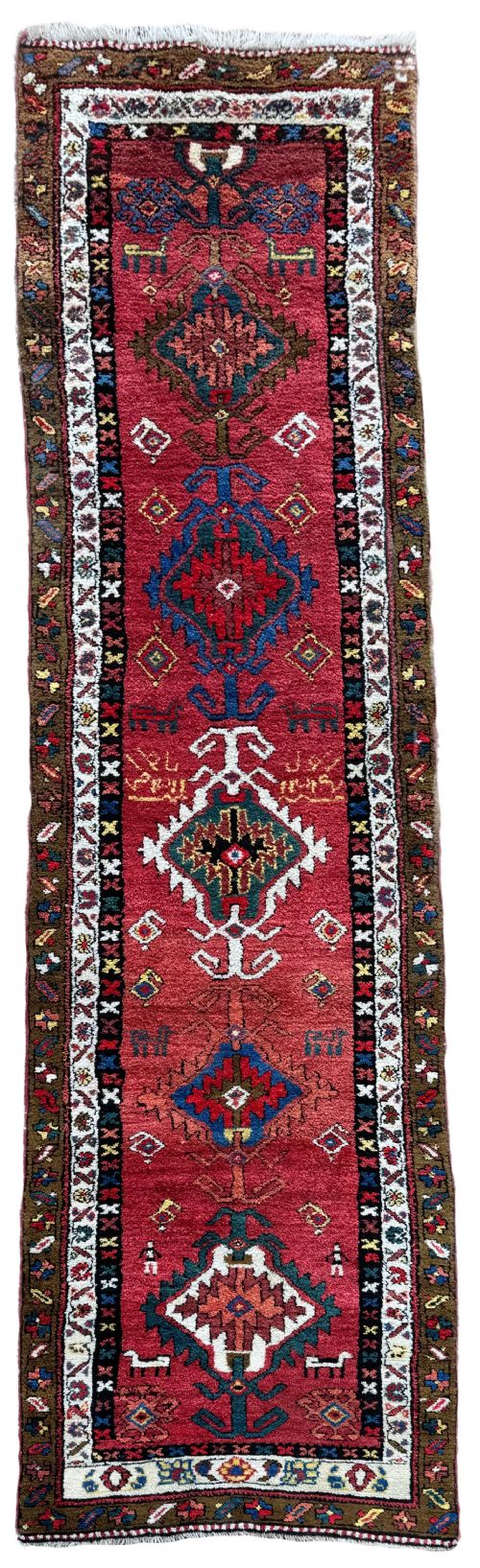
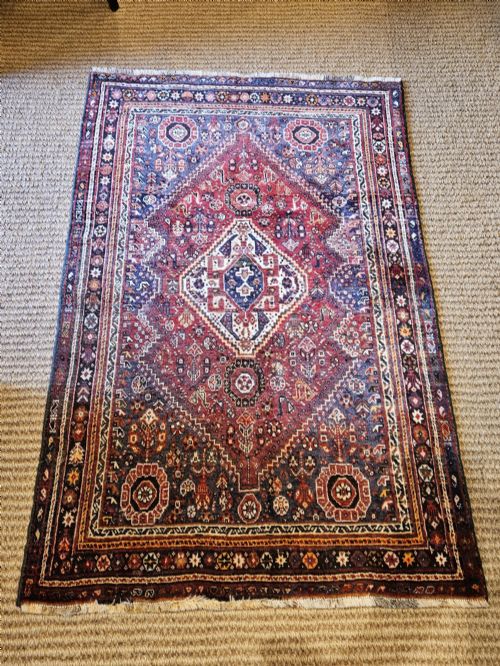
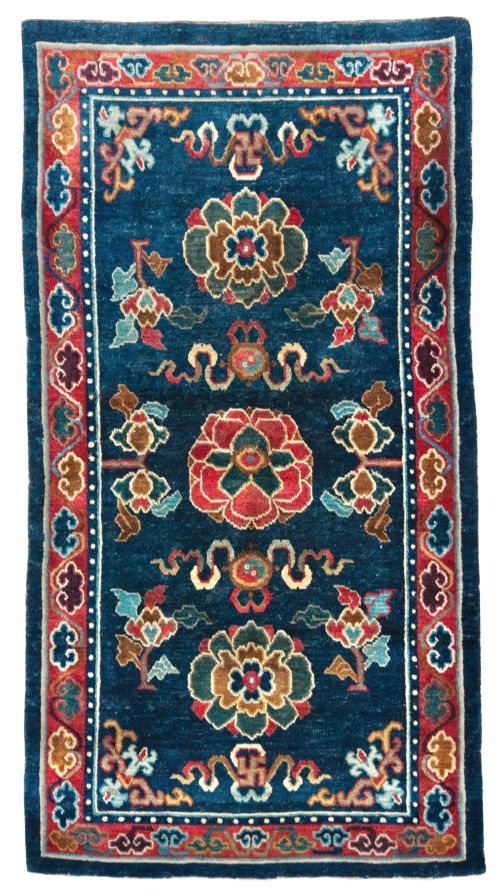
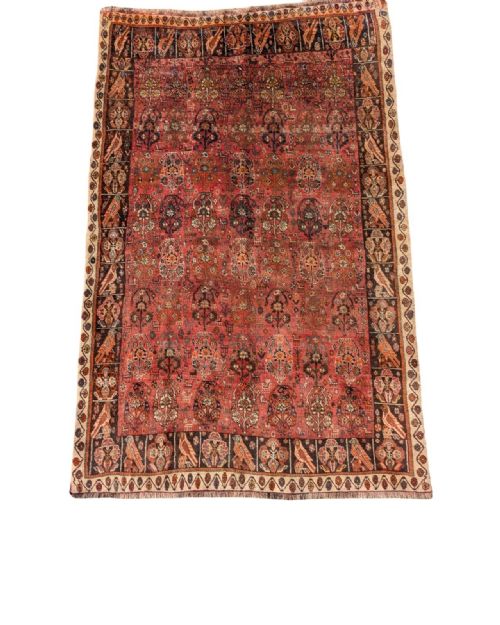
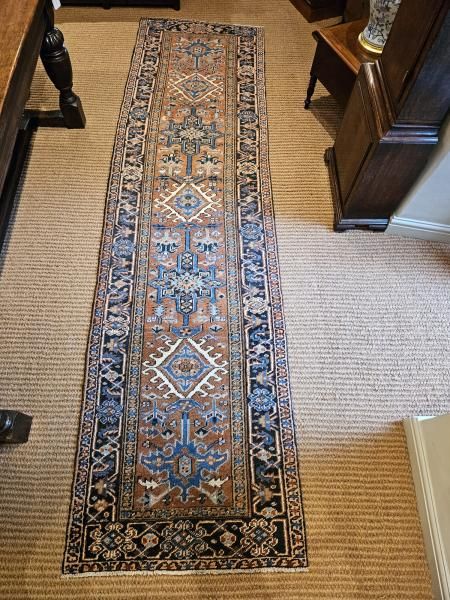
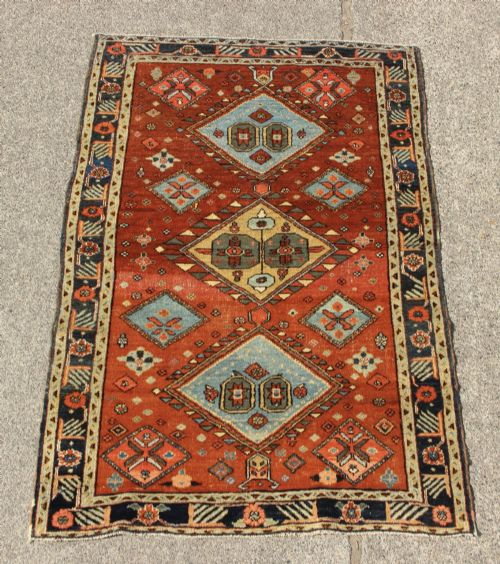
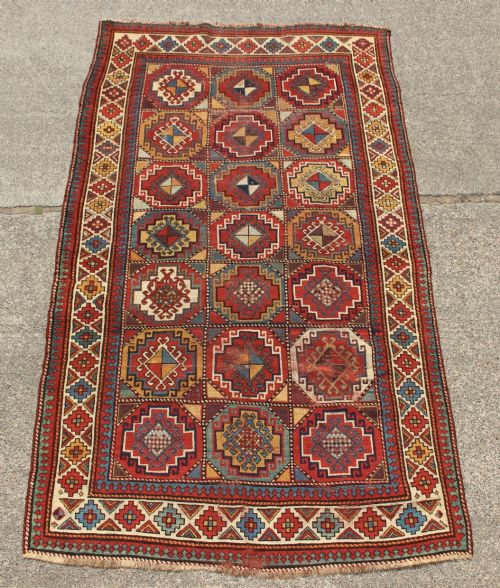
A traditional handwoven runner rug is a long, narrow floor covering created by nomadic tribes and village weavers across Persia, the Caucasus, and Anatolia. These textiles serve primarily as functional pathways in corridors and galleries while displaying distinct geometric, floral, and medallion motifs unique to their origin.
Most examples encountered here originate from the late nineteenth century through to the 1930s. Pieces such as Heriz, Bidjar, Hamadan, and Caucasian runners dominate the selection, offering narrow proportions suited to transitional spaces in domestic interiors.
How they were made
Makers construct these runners using hand-spun wool for the pile and foundation, often paired with cotton for structural warp and weft threads. Artisans employ natural dyes derived from plants and minerals to colour the fleece, creating rich, saturated tones that mature gracefully over decades.
Weavers utilise traditional upright or horizontal looms, executing either knotted pile techniques or flat-weave methods such as kilim construction. Each piece relies entirely on manual dexterity rather than mechanical assistance, resulting in individual variations within established regional patterns.
Object forms include standard runner rugs, kilims, prayer rugs, and long carpet formats woven by nomadic and village traditions.
What varies in quality
The density of the knotting or tightness of the flat-weave largely dictates the integrity and longevity of the textile. Tighter structures allow intricate geometric and floral designs to appear sharper and more defined.
The depth and nuance of the natural dye palette separate standard pieces from finer examples. Uniformity in hand-spun wool texture and the retention of original selvedges and ends further distinguish the standard of manufacture.
Heriz weavers·Bidjar workshops·Kashan weavers·Afshar tribes·Caucasian weavers
The Traditional Handwoven Runner Rug Glossary
- Runner
- A long, narrow carpet format designed specifically for hallways, corridors, and stairs. These pieces balance linear dimensions with balanced central fields and border arrangements.
- Kilim
- A flat-woven carpet or rug produced without a pile by tightly interweaving warp and weft strands. This technique creates a lightweight, reversible textile with sharp geometric motifs.
- Warp
- The vertical foundation threads stretched lengthwise on a loom before weaving begins. Weft threads pass over and under these structural elements to secure the design.
- Natural dye
- Colouring matter obtained from organic sources such as plants, roots, and insects rather than synthetic compounds. These dyes yield complex, varied hues that mellow subtly over time.
- Selvedge
- The reinforced outer edge of a rug running parallel to the warp threads. Proper finishing prevents the sides from fraying and maintains the linear shape of the runner.
Traditional Handwoven Runner Rug: Frequently Asked Questions
Where do these runners work best?
These narrow textiles suit hallways, staircases, and corridors where traditional floorboards need both protection and visual warmth. Their elongated proportions guide movement through domestic spaces.
They also function effectively in long kitchens or narrow galleries, adding texture and colour beneath high-traffic zones without overwhelming the room.
How do I care for wool runners?
Regular gentle vacuuming without a rotating brush roll prevents dust accumulation within the wool pile. Professional cleaning suited to antique textiles preserves the natural lanolin and dye stability.
Rotating the runner periodically ensures even exposure to foot traffic and sunlight, maintaining balanced wear across the length of the piece.
How are regional styles told apart?
Regions express distinct design vocabularies through specific colour palettes and geometric structures. For instance, Heriz runners often feature bold, rectilinear medallions, whilst Kurdish and Hamadan pieces display denser, all-over village patterns.
Caucasian runners rely on sharp, angular tribal motifs and crisp primary colours, contrasting with the softer floral sprays found in Persian town productions.
What is a flat-weave runner?
A flat-weave runner contains no raised pile, relying instead on interlocking warp and weft threads to form the textile. This construction method produces a thinner, lighter rug that sits close to the floor.
Such pieces often display crisp, graphic geometric designs because the technique naturally creates sharp lines and angular patterns.