




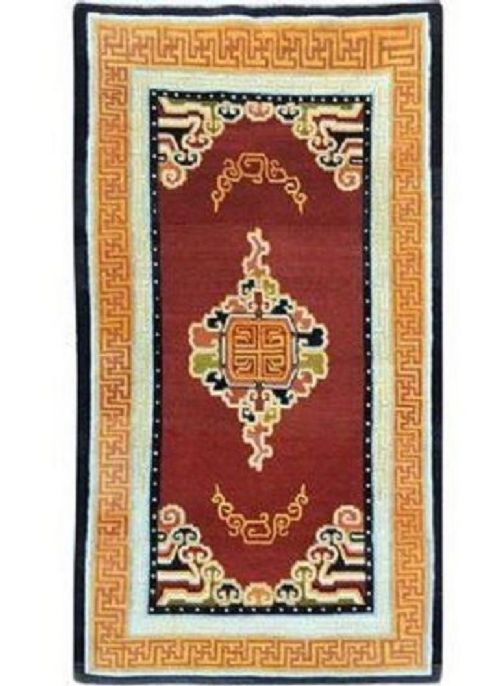
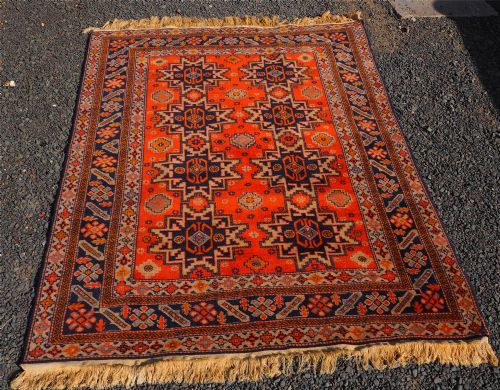
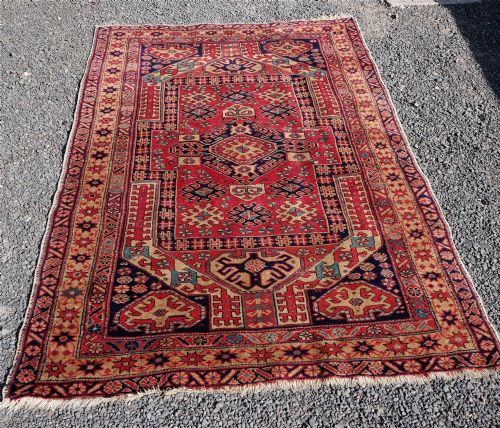
Traditional Hand Woven Carpet
A traditional hand woven carpet brings centuries of textile artistry into a room, offering genuine texture and enduring floorcraft.
Traditional Hand Woven Carpet
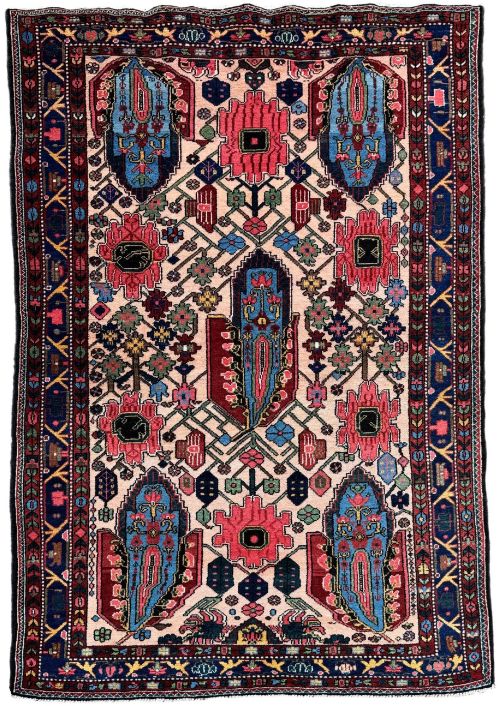
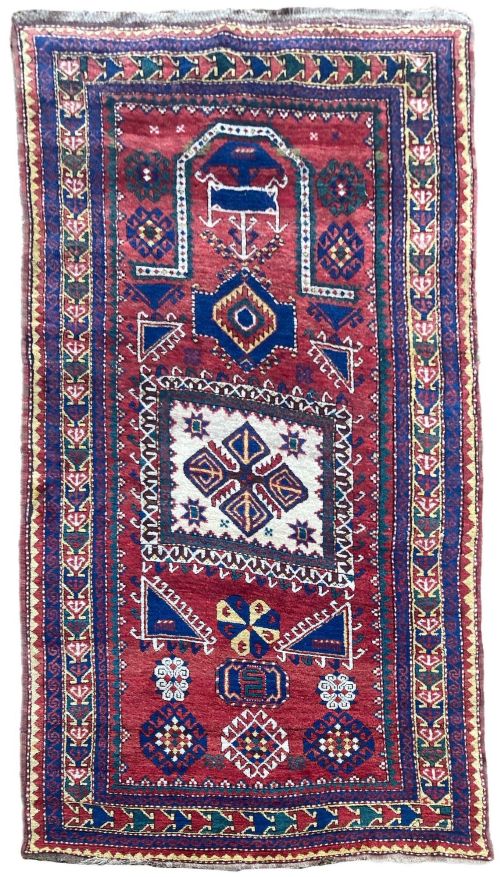
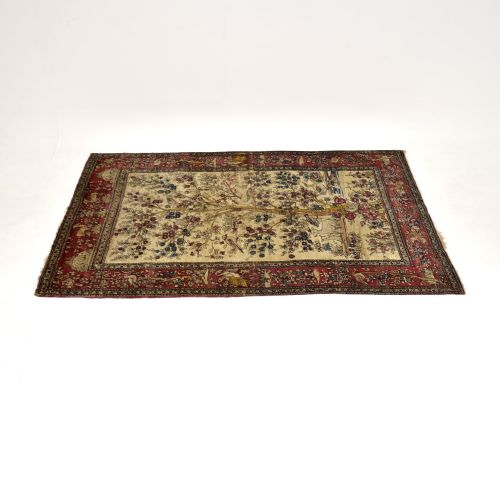
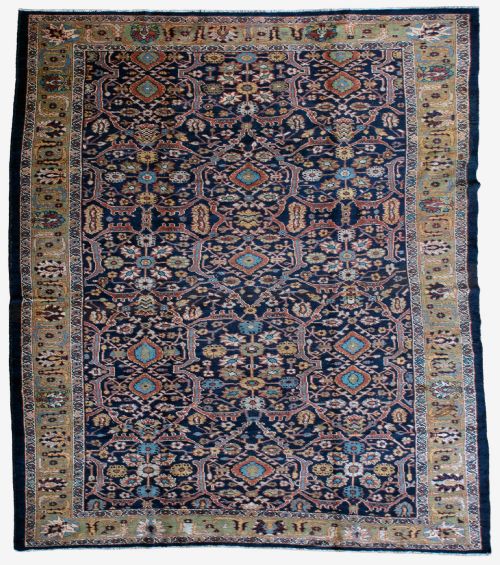
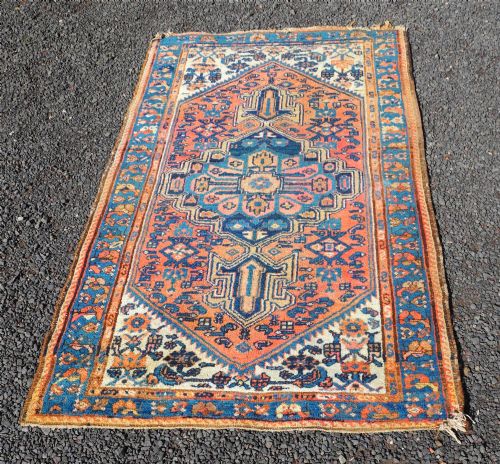
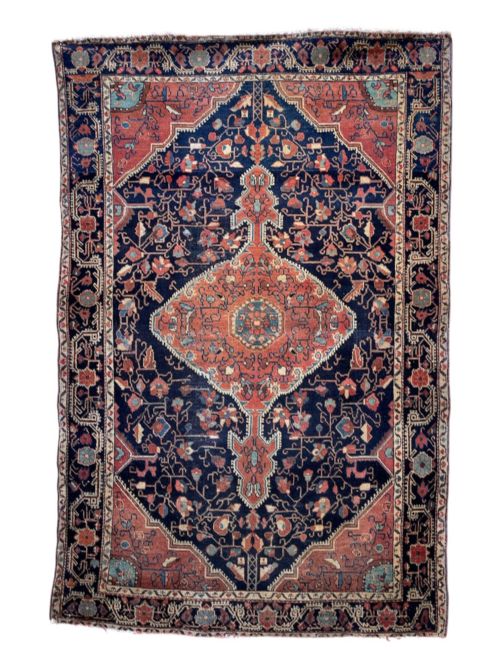
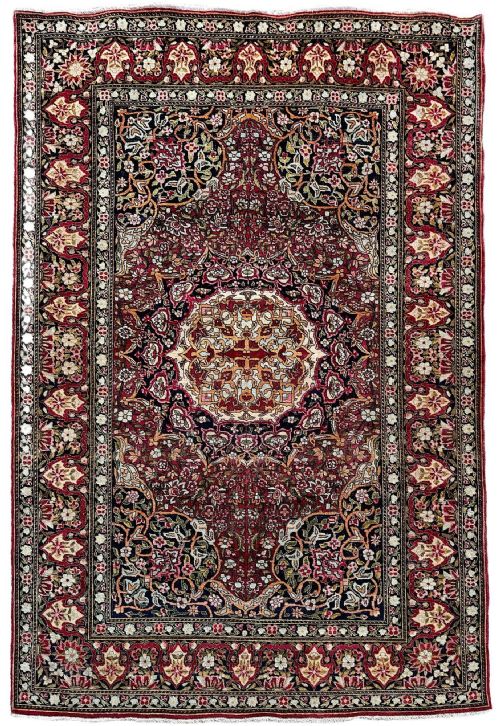
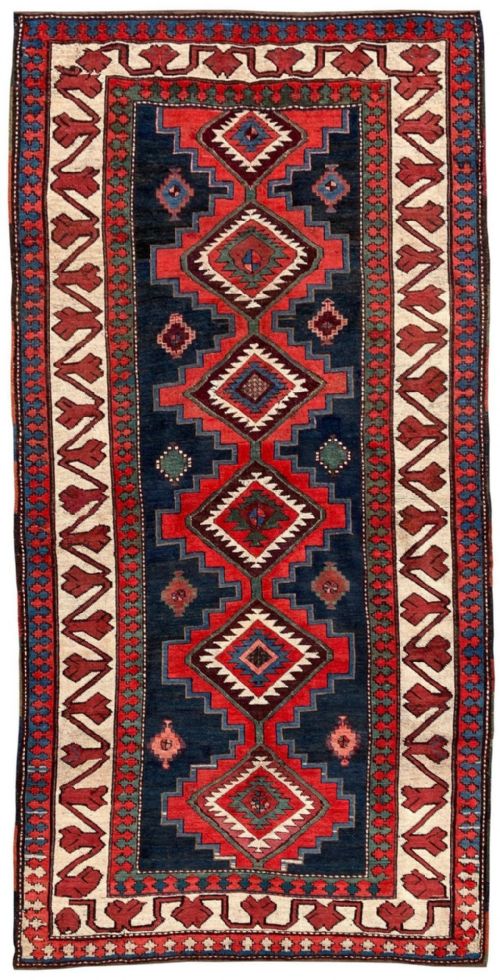
When searching for a traditional hand woven carpet, a buyer examines floor coverings created across the nineteenth and twentieth centuries. These textile works encompass regional forms such as area rugs, long hallway runners, and prayer rugs originating from Persian, Caucasian, and Tibetan traditions.
The pieces appearing on this page span from nineteenth century examples to productions from the nineteen thirties. Village and tribal outputs, including Kazak, Khamseh, and Bakhtiar pieces, sit alongside city workshop carpets from centres like Isfahan and Saroukh.
Buyers frequently encounter room sized carpets alongside smaller hearth sized rugs and narrow runners. The forms reflect the specific domestic and nomadic environments of their makers, adapting traditional geometric and floral motifs to various spatial needs.
How They Were Made
These textiles rely upon natural fibre foundations using wool, cotton, and occasionally silk highlights. Artisans knot individual strands onto vertical or horizontal looms by hand, building up dense piles and intricate designs thread by thread.
Dyers utilise natural materials to colour the yarns, producing deep reds, rich blues, and earthy tones that age gracefully. The resulting fabric combines structural resilience with flexible handling, qualities inherent to traditional hand weaving.
Traditional Hand Woven Carpet Retail Price Guide 2026
Typical asking prices for traditional hand woven carpet among the pieces listed under this phrase on Sellingantiques today, from the lower quarter to the upper quarter. They describe what is for sale here now, not the wider market.
Origin designations cover Persian, Caucasian, and Tibetan weaving traditions, encompassing both nomadic tribal works and urban workshop productions.
What Varies in Quality
Knot density and structural tightness dictate the longevity and definition of the pattern. Tighter packing of the foundation warps and wefts creates a heavier, more stable textile that withstands heavy foot traffic.
The purity of the wool and the consistency of the natural dyes influence how the surface responds to light and wear. Superior examples display subtle tonal variations within the field, reflecting skilled dye preparation and careful sorting of fleece.
The Traditional Hand Woven Carpet Glossary
- Medallion
- A central ornamental design motif placed in the middle of the carpet field. This focal shape often incorporates geometric or floral elements.
- Prayer rug
- A small format textile traditionally utilised for individual daily devotions. These pieces typically incorporate a distinct mihrab or arch design at one end.
- Runner
- A long and narrow carpet format designed specifically for hallways and corridors. Such pieces accommodate linear spaces while displaying continuous border patterns.
- Pile
- The vertical surface layer of cut or looped yarn standing up from the foundation. The height and density of this material determine the tactile feel underfoot.
Traditional Hand Woven Carpet: Frequently Asked Questions
How do I clean a traditional hand woven carpet?
Regular gentle vacuuming without a beater bar removes loose dirt from the wool fibres.
Professional specialist washing remains essential for deep cleaning to protect the natural dyes and foundation.
Can I place these rugs in high traffic areas?
Sturdily constructed wool carpets withstand regular movement in hallways and living rooms.
Placing a proper underlay beneath the textile prevents slippage and reduces friction against the floor.
How do I identify a tribal design from a city design?
Tribal rugs typically display geometric patterns, stylised animals, and asymmetrical motifs woven from memory.
City carpets tend to show precise floral curves, balanced medallions, and intricate symmetrical border arrangements.
What causes colour variation in older carpets?
Natural dyes react to sunlight and natural ageing over decades, developing softer patinas across the wool.
Batch changes in dye pots, known as abrash, create subtle horizontal shading lines across the field.