





Traditional Hallway Mirror
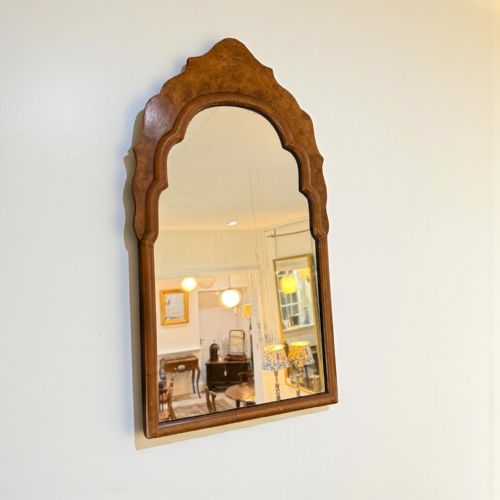
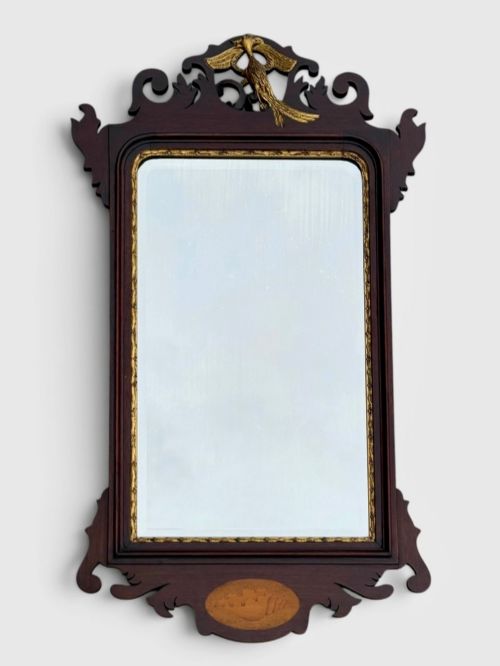
These traditional hallway mirror pieces bring period character to an entrance, offering practical reflection through walnut, mahogany, and giltwood frames.
Traditional Hallway Mirror
A traditional hallway mirror serves as both a functional entrance fixture and a decorative wall feature, frequently appearing across Edwardian, Victorian, and Georgian styles. These pieces range from simple wooden oval frames to elaborate pier glasses incorporating carved details or integrated hall stands.
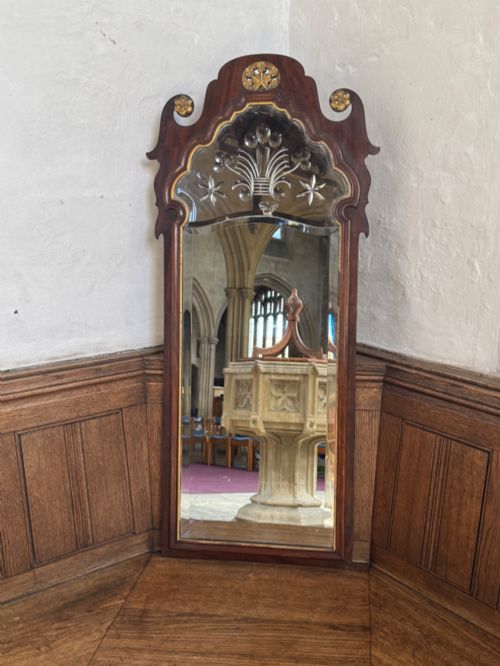
Buyers encounter walnut and mahogany wall mirrors alongside giltwood frames and oak designs spanning the nineteenth and twentieth centuries. The selection includes specific revival pieces such as Queen Anne walnut mirrors and George II style pier glasses.
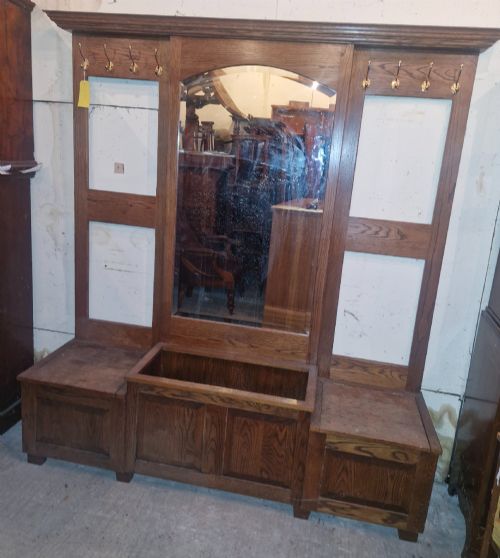
Originating in domestic entranceways and reception halls, these items include multi-functional hall seat stands and console tables with mirrorbacks. The forms vary from compact hanging mirrors to large floor-standing dressing plates.
How they were made
Frames are constructed from timbers such as mahogany, walnut, oak, and rosewood, often shaped into wall-hanging or floor-standing formats. Carpenters utilised traditional joinery techniques to house glass plates securely within wooden rebates.
Giltwood and composition elements provide ornate surface decoration, while reverse cut plates and oil paintings add specialised detail to pier glasses. Brass fixings and structural supports complete the assembly of heavier hanging mirrors and hall stands.
Traditional Hallway Mirror Retail Price Guide 2026
Typical asking prices for traditional hallway mirror among the pieces listed under this phrase on Sellingantiques today, from the lower quarter to the upper quarter. They describe what is for sale here now, not the wider market.
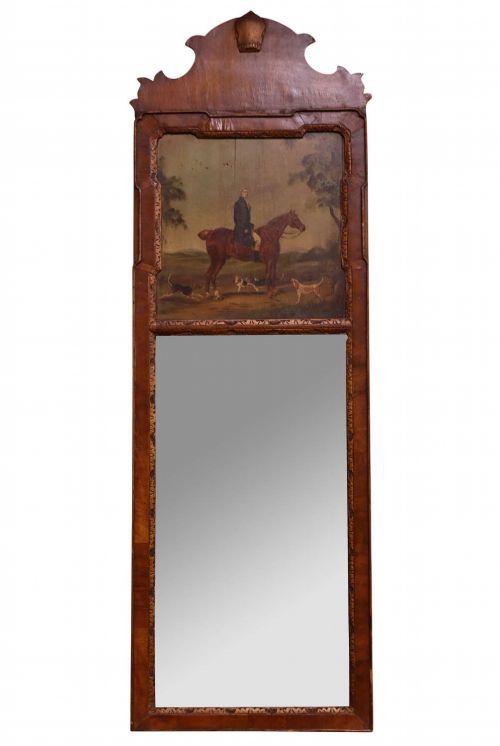
One walnut pier glass arrives complete with an equestrian oil painting set right into the frame.
What varies in quality
Quality reveals itself in the crispness of timber carving, particularly within giltwood frames and mahogany scrollwork where hand-tooling defines the ornament. The choice of primary woods, from figured walnut to plain oak, dictates the visual depth of the piece.
The clarity and condition of the glass plate, alongside the integrity of the original backing boards and fixings, separate standard examples from finer works. Construction methods, such as precise corner joints in large wall mirrors, demonstrate the maker's competence.
The Traditional Hallway Mirror Glossary
- Pier mirror
- A tall mirror designed to hang on the pier or wall space between windows. These pieces often feature gilded wooden frames and decorative crestings.
- Giltwood
- Timber that has been coated with fine gold leaf or gilt preparation. This finish is characteristic of formal Georgian and Victorian wall mirrors.
- Queen Anne Revival
- A decorative style popular in the late nineteenth and early twentieth centuries that reinterprets early eighteenth-century forms. It is frequently seen in walnut mirrors featuring shaped crests.
- Reverse cut plate
- A glass mirror plate decorated by cutting patterns into the rear silvering or glass surface. This technique creates subtle visual depth when viewed from the front.
- Hall stand
- A multi-functional hallway furnishing that combines a mirror with umbrella storage, coat hooks, and sometimes a bench seat.
Traditional Hallway Mirror: Frequently Asked Questions
How do I hang a heavy wall mirror safely?
Heavy hanging mirrors require secure fixings into structural wall studs or solid masonry using appropriate brackets. Weight distribution must be shared evenly across robust hanging wire or integrated mirror plates.
Professional installation is recommended for large giltwood or mahogany frames to prevent strain on the original wooden construction and wall fastenings.
What is the difference between a pier mirror and a standard wall mirror?
Pier mirrors are traditionally proportioned to hang on the narrow wall space between windows, often featuring tall and slender formats. They frequently incorporate giltwood frames and ornate carved crests.
Standard wall mirrors are built in varied proportions for general placement across any room wall without specific architectural constraints.
How do I clean antique mirror glass?
Antique glass requires gentle cleaning with a soft microfibre cloth and a mild, ammonia-free glass cleaner. Spray the solution onto the cloth rather than directly onto the glass to prevent moisture seeping behind the plate.
Avoid harsh chemical agents that can damage fragile silvering or nineteenth-century backing materials.
Are these mirrors suitable for modern hallways?
Traditional hallway mirrors adapt well to contemporary interiors by introducing historical texture and natural wood tones to minimalist spaces. Their reflective qualities also help amplify light in narrow entranceways.
Choosing a simpler oak or walnut frame offers a subtle period accent that complements modern architectural details.