






Traditional Hall Mirror
A traditional hall mirror sets the tone of an entranceway, and these practical yet decorative pieces bring immediate depth and light to a narrow space.
Traditional Hall Mirror
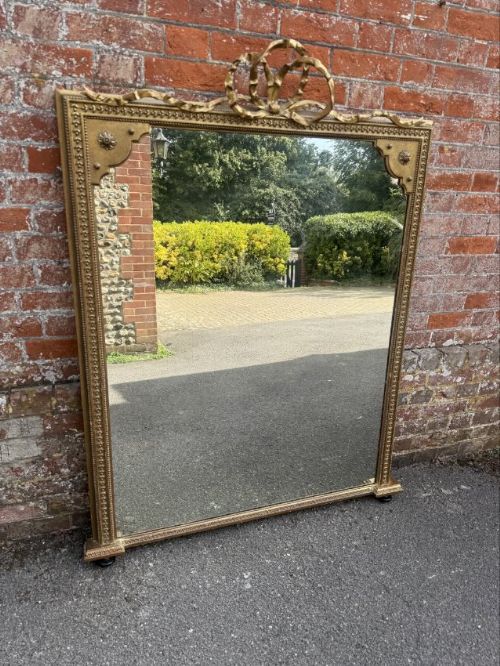
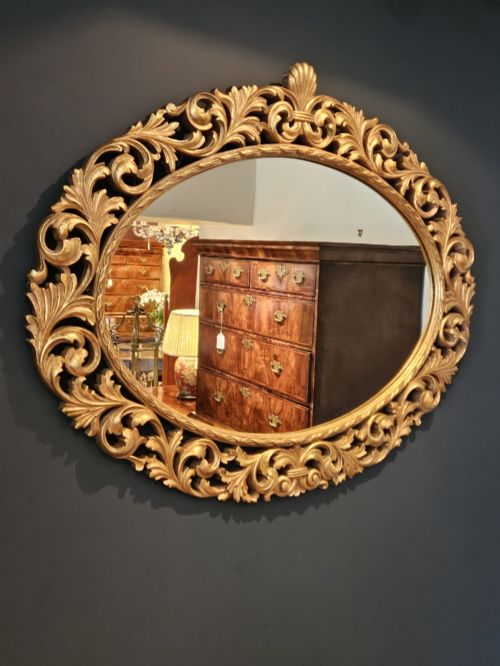
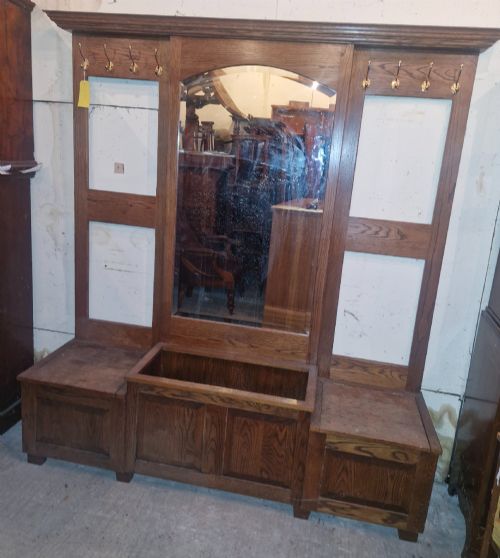
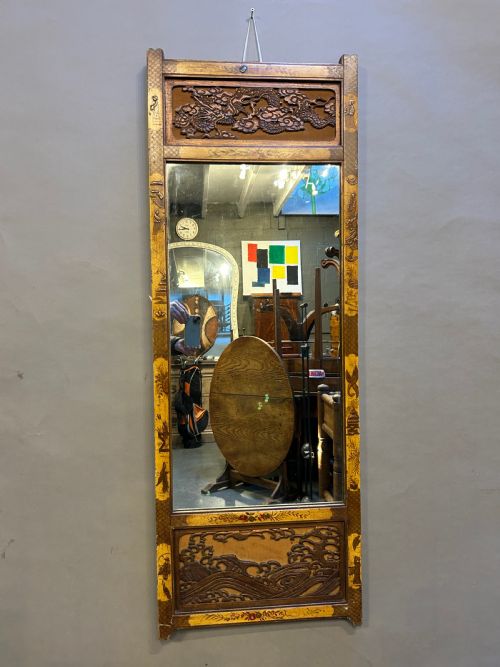
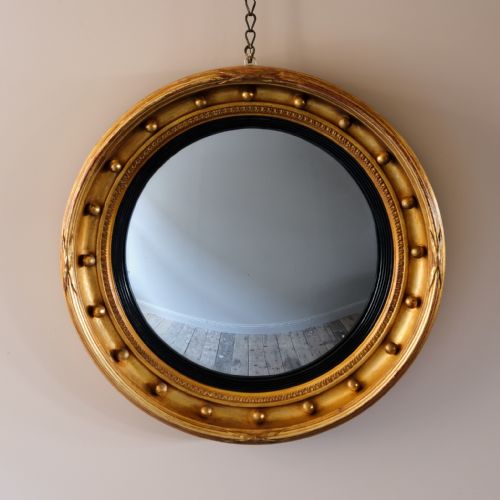
A traditional hall mirror appears primarily as a wall-mounted glass panel framed in timber or gilt, frequently encountered in Victorian, Edwardian and early twentieth-century formats. The selection ranges from compact oval and round frames to large architectural overmantel mirrors and multi-functional hall stands.
Buyers will find distinct revival styles alongside simpler oak and mahogany examples, reflecting the varied tastes of the nineteenth and twentieth centuries. These pieces serve the practical purpose of checking one's appearance before leaving the house while visually expanding smaller hallways.
Materials and construction
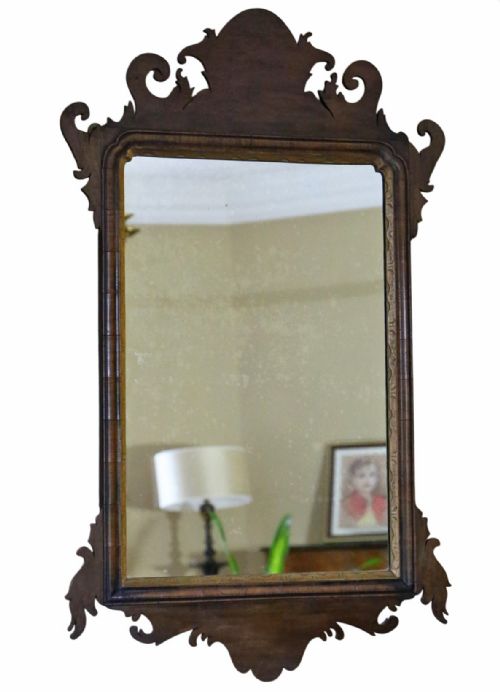
Frames are constructed from solid timbers such as oak, mahogany and walnut, often shaped with fret-cut details or decorative carving. Gilding applied over gesso provides a bright reflective surface on ornate frames, while simpler versions rely on the natural grain of the wood.
Glass panels are set within the wooden or gilt structures, occasionally featuring bevelled edges or replacement glass fitted during the long life of the object. Backboards and hanging fixings complete the construction, designed to support the weight of the heavy glass securely against a wall.
Listings feature periods from the nineteenth century through to the 1960s, spanning Victorian, Edwardian and revival aesthetics.
Craftsmanship and finish
The standard of carving and the crispness of the gilt gesso work distinguish finer examples from standard production pieces. Deeply carved timber frames and well-executed fretwork demonstrate the skill of the original maker.
The preservation of the original glass and the integrity of the frame joints also influence the overall character of the piece. Subtle details such as hand-applied overpainting and balanced proportions elevate certain mirrors above simpler utility items.
The Traditional Hall Mirror Glossary
- Giltwood
- Wood that has been coated with gold leaf or a gold-coloured finish. This technique creates a brilliant metallic sheen popular in formal decorative schemes.
- Gesso
- A plaster-like material applied to wood surfaces to form a smooth base for carving or gilding. It allows for intricate relief ornamentation on mirror frames.
- Fret cut
- Woodwork shaped using a fine saw to create openwork geometric or flowing patterns. This technique defines the silhouette of many Georgian revival wall mirrors.
- Overmantel mirror
- A large horizontal mirror traditionally hung above a fireplace, frequently utilised in hallways for its grand scale and reflective capacity.
Traditional Hall Mirror: Frequently Asked Questions
Where should I hang a hall mirror?
Position the mirror at eye level opposite a light source or an open doorway to maximise the reflection of natural light into the hall.
Ensure the wall fixings match the weight of the timber and glass combination to secure the frame safely.
How do I identify the period of a mirror?
Examine the timber used in the frame, the style of any carving, and the construction methods visible on the reverse of the piece.
Revival styles often copy earlier Georgian or baroque designs, so look closely at the ageing of the wood and the characteristics of the glass.
Can I replace the mirror glass?
Many older mirrors have had their glass replaced over time due to damage or foxing over the centuries.
A modern or replacement mirror plate does not diminish the decorative appeal of the antique frame if the proportions remain correct.
What is the difference between a wall mirror and a hall stand?
A wall mirror is a dedicated hanging frame designed solely to reflect light and provide a surface for checking appearances.
A hall stand is a larger, multi-functional piece of furniture incorporating a mirror alongside umbrella storage, hooks and sometimes a seat.