

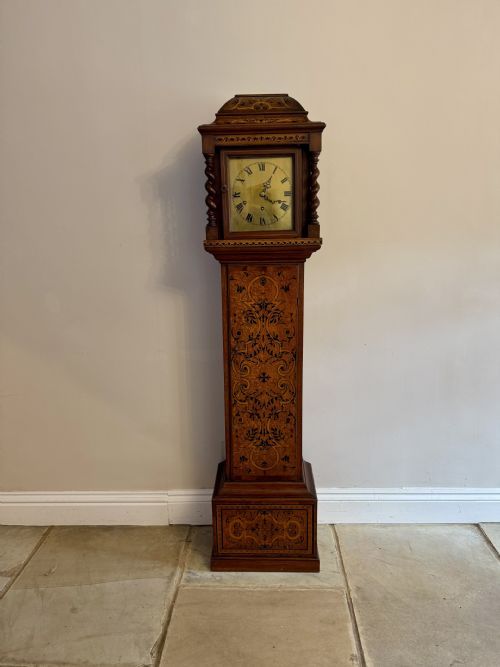


Traditional Hall Clock
A traditional hall clock anchors a room with steady weight, measuring hours in mahogany, oak, and walnut through generations of ticking.

Traditional Hall Clock
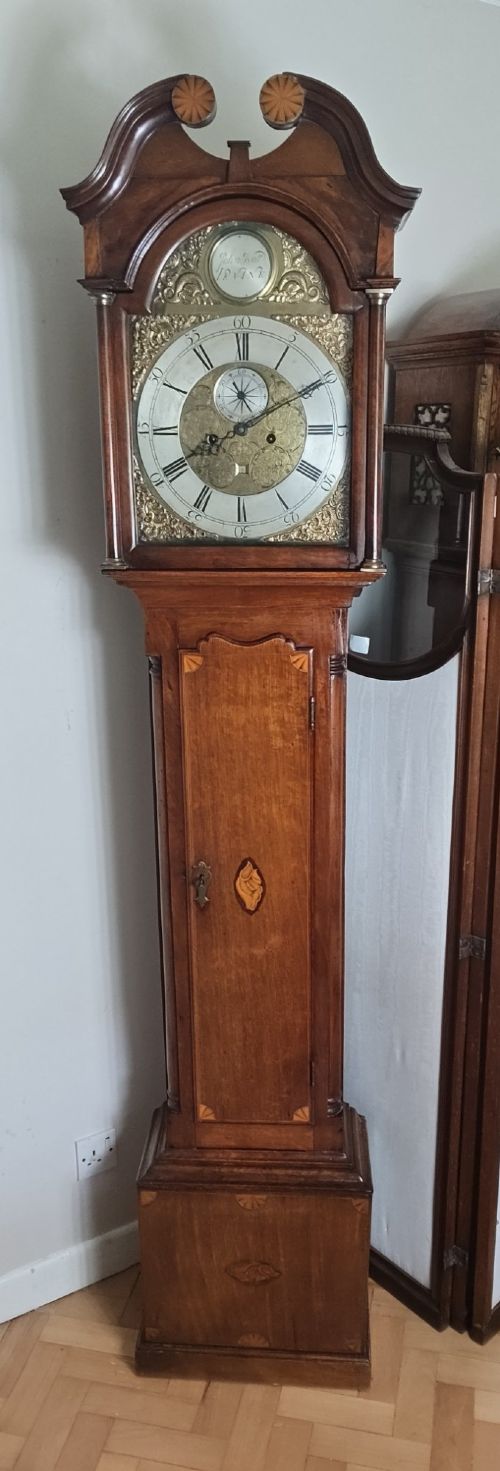
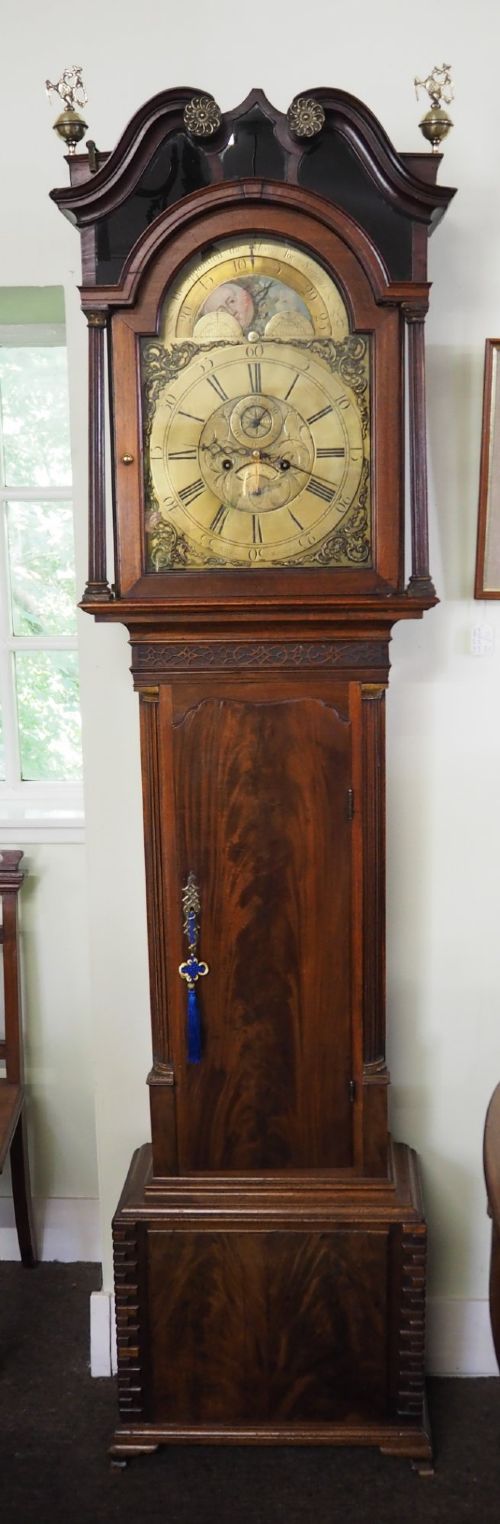
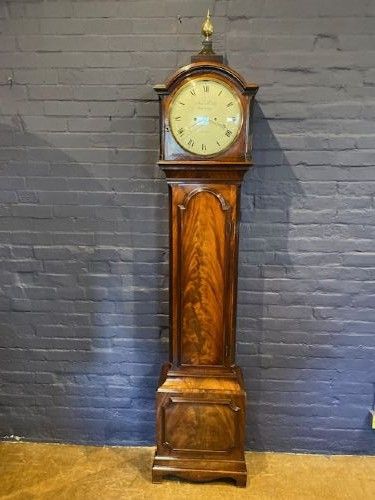
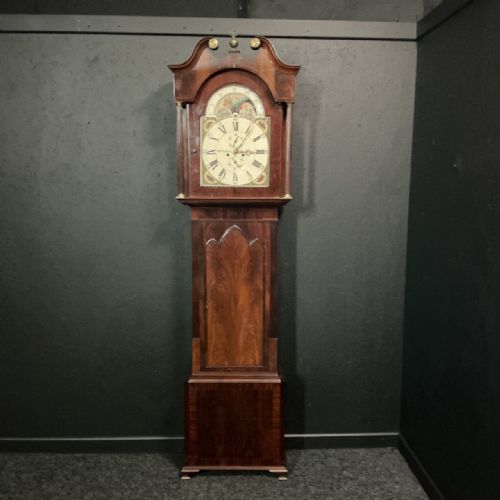
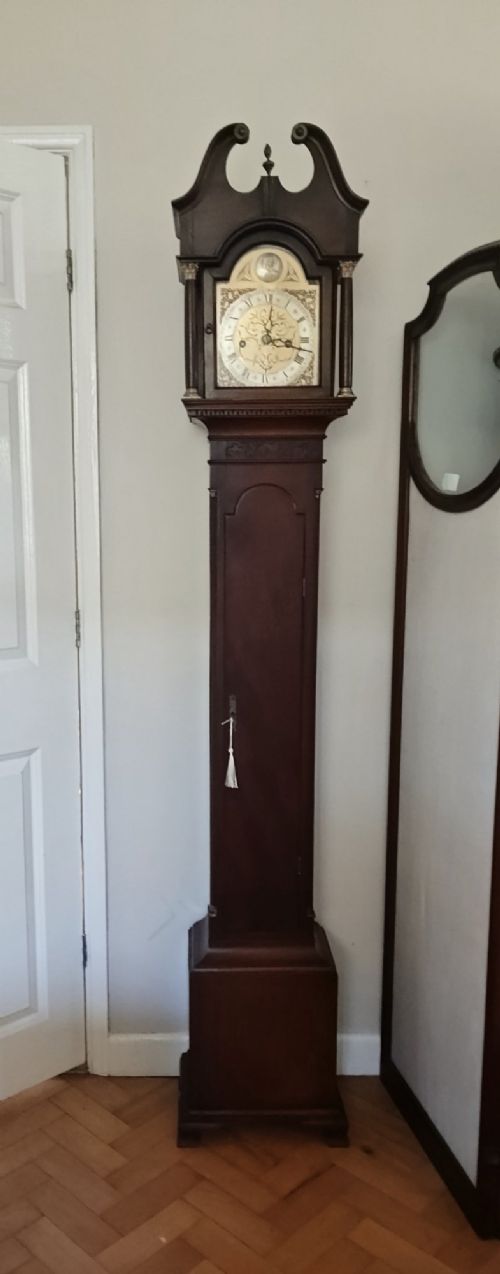
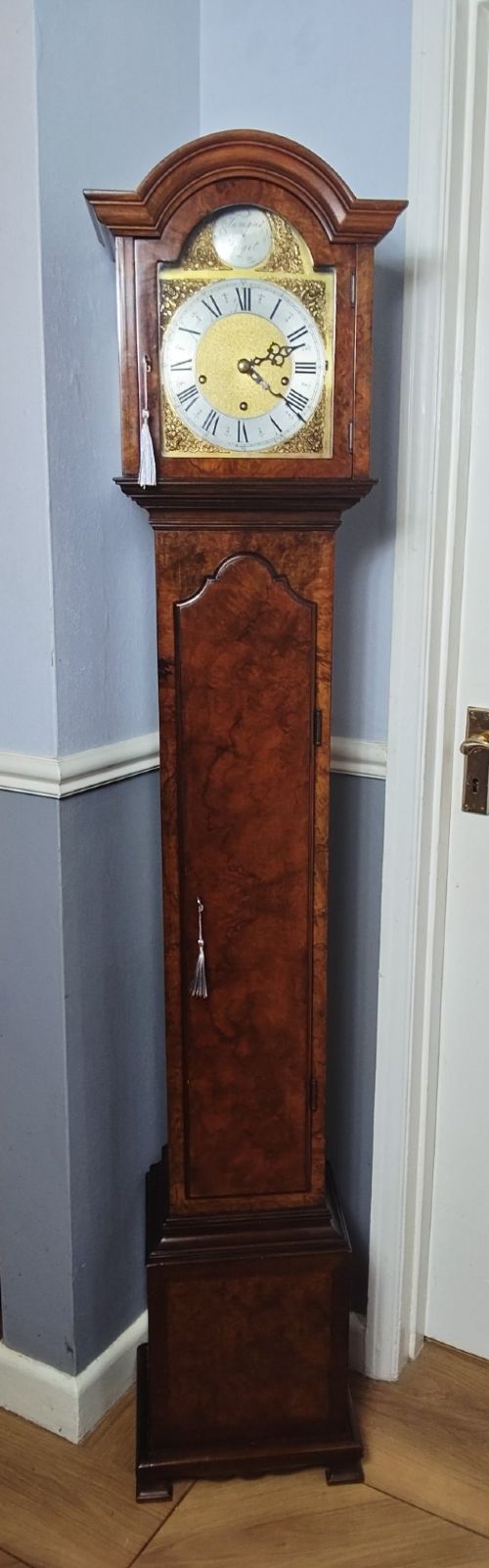
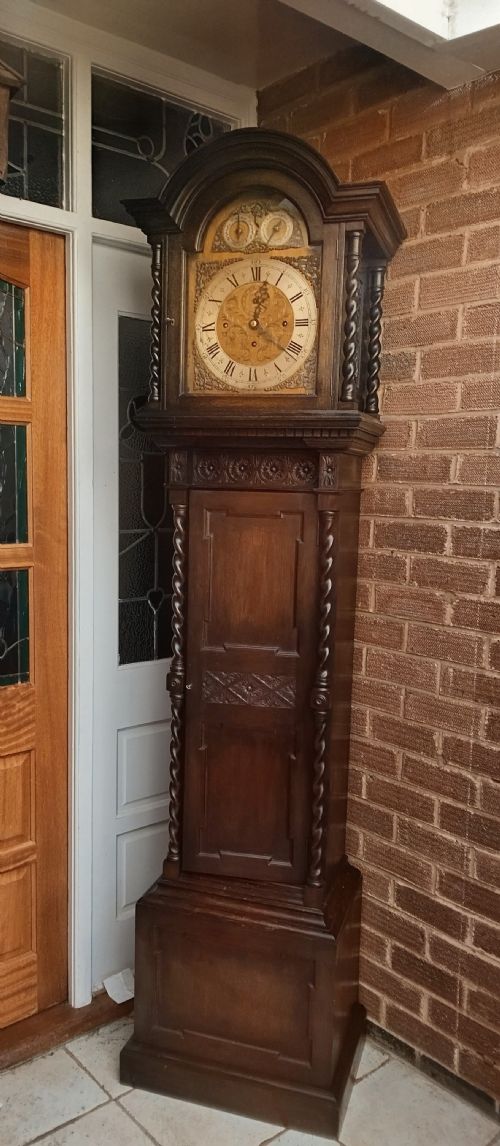
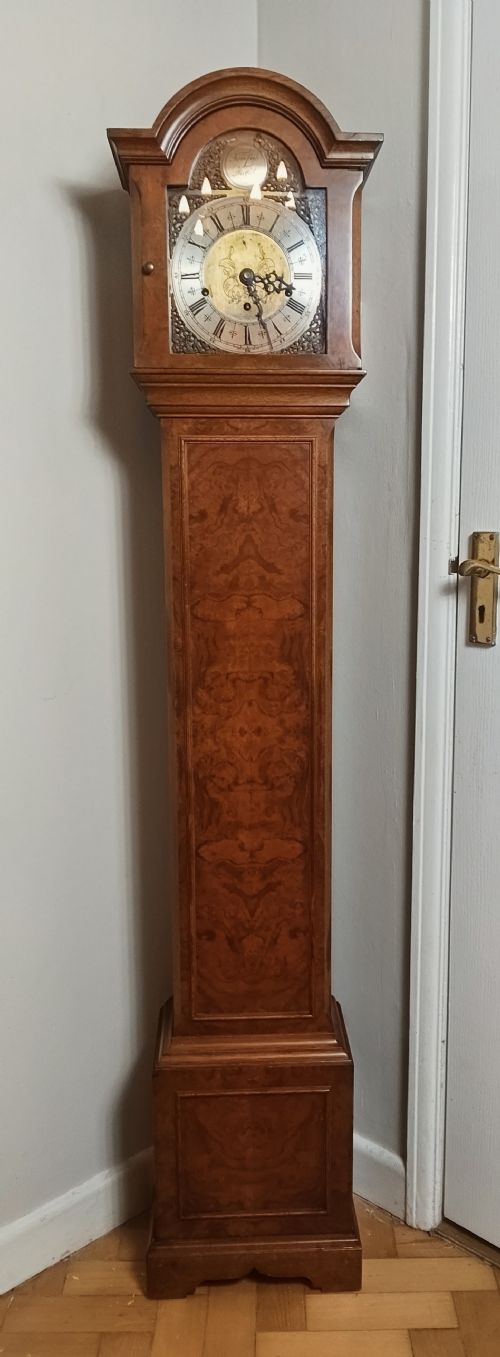
A traditional hall clock groups tall vertical timepieces known across listings as longcase, grandfather, and smaller grandmother clocks. These floor-standing instruments arrive primarily from the Georgian, Victorian, and Edwardian periods, stretching from the eighteenth century into the early twentieth century.
The forms span robust regional oak cases from the seventeen-hundreds to refined mahogany and figured walnut specimens with brass dials or painted iron faces. Buyers encounter full-scale grandfather clocks alongside slimmer grandmother clocks designed for compact domestic spaces.
How they were made
Cabinetmakers constructed the tall wooden cases using solid planks and veneers of mahogany, oak, walnut, and rosewood, frequently adding marquetry inlay and brass dial faces. Movements combined steel, brass, and iron components to drive weight-powered or spring-driven mechanisms.
Dial faces combined engraved brass or painted iron plates, often detailed with subsidiary seconds dials, calendar apertures, or rotating moon rollers. Dial surrounds integrated glass doors and architectural hoods topped with swan-neck pediments or carved mouldings.
Traditional Hall Clock Retail Price Guide 2026
Typical asking prices for traditional hall clock among the pieces listed under this phrase on Sellingantiques today, from the lower quarter to the upper quarter. They describe what is for sale here now, not the wider market.
Object types recorded across the inventory include longcase clocks, grandfathers, smaller grandmother variants, wall clocks, and mantle clocks.
What varies in quality
Quality rests in the harmony of timber selection, such as figured walnut or rich mahogany grain matched across the entire case, alongside the precision and complexity of the mechanical movement. Simpler single-train oak dials sit at one end, while multi-bell musical chimes and intricate moon-phase mechanisms represent higher craftsmanship.
Proportion and execution define the lasting merit of a piece, distinguishing standard provincial work from the refined output of named makers who integrated inlay, marquetry, and balanced hood architecture without crowding the vertical case.
James McCabe·John Wylde·Richard Northen·Edward Glase·Thomas Baker
The Traditional Hall Clock Glossary
- Longcase clock
- A tall pendulum clock enclosed in a wooden case that stands directly on the floor. These instruments are frequently called grandfather or grandmother clocks depending on their height.
- Grandmother clock
- A smaller, more slender version of the traditional longcase clock, popular during the early twentieth century. They fit easily into modern hallway spaces while retaining weight-driven or spring movements.
- Moon phase
- A rotating dial mechanism that tracks the lunar cycle behind an arched window on the clock face. This complication required careful gearing to mirror the phases of the moon.
- Paterae
- Small circular decorative reliefs carved or inlaid into wooden furniture surfaces. They appear frequently on neoclassical and Georgian furniture cases.
- Fusee
- A conical pulley used in clock movements to maintain an even pull on the gear train as the driving spring unwinds. This device ensures consistent timekeeping accuracy.
Traditional Hall Clock: Frequently Asked Questions
What is a traditional hall clock?
A traditional hall clock is a tall floor-standing timepiece housed in a wooden case made of oak, mahogany, or walnut. These pieces operate with pendulum movements and are designed to stand in domestic hallways or living spaces.
They encompass regional eighteenth-century longcase clocks as well as smaller Edwardian and twentieth-century grandmother clocks fitted with brass or painted iron dials.
How do grandfather and grandmother clocks differ?
Grandfather clocks are the standard full-height longcase timepieces, while grandmother clocks are scaled-down versions produced primarily in the early twentieth century. Grandmother clocks offer a slimmer profile suited for lower ceilings and tighter spaces.
Despite the difference in scale, both types utilise similar weight-driven or spring-driven mechanical movements and traditional timber cases.
How do I wind a longcase clock?
Winding involves using a specialised crank key to draw up the hanging weights inside the trunk or to wind the spring barrels via arbors on the dial face. Care must be taken not to overwind the mechanism.
Most eight-day movements require weekly attention, while thirty-hour variants need daily or more frequent winding depending on the specific weight train.
How do I tell Georgian clocks from Edwardian ones?
Georgian clocks date from the eighteenth and early nineteenth centuries, featuring robust oak or mahogany timber construction with hand-engraved brass dials or early painted iron faces. Their proportions tend to be utilitarian or classically architectural.
Edwardian clocks, built around nineteen-hundred, often display lighter mahogany frames with decorative marquetry inlay, slender proportions, and refined chiming mechanisms influenced by earlier revival styles.