

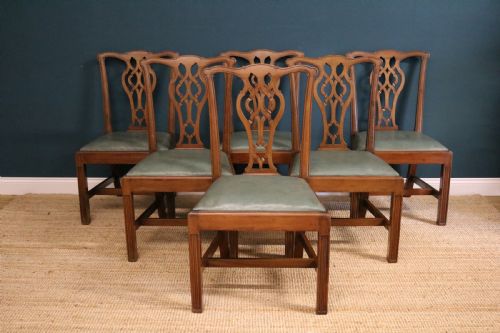


Traditional Green Leather Seat
These traditional green leather seat options bring enduring comfort and rich historic character to studies and sitting rooms alike.
Traditional Green Leather Seat
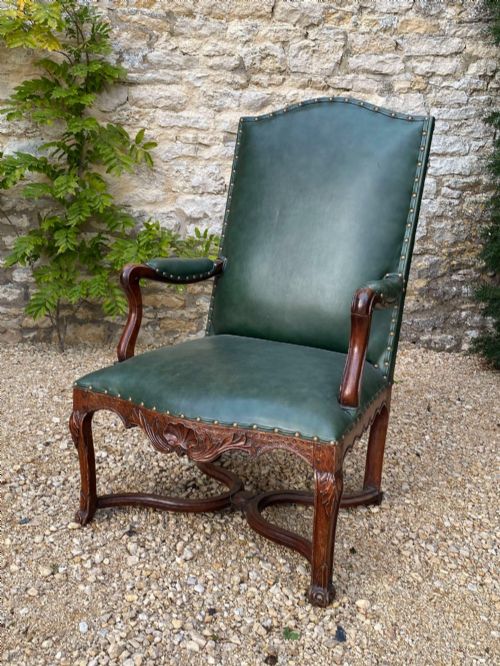
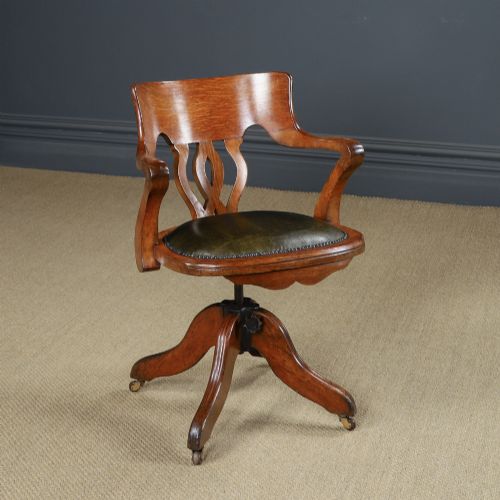
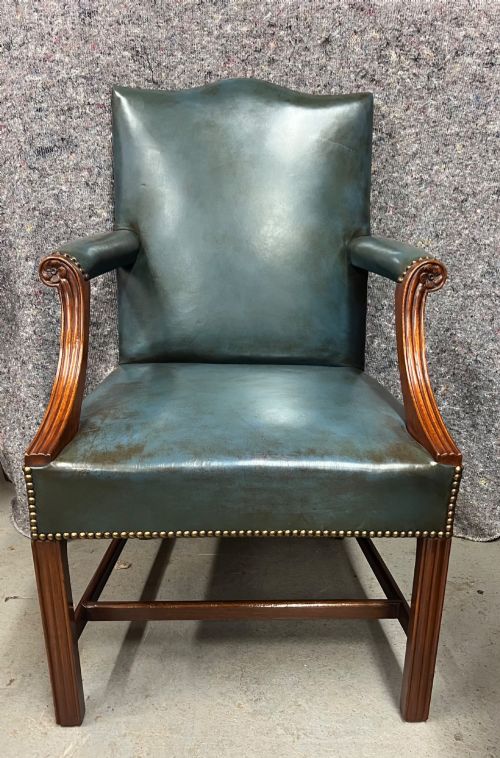
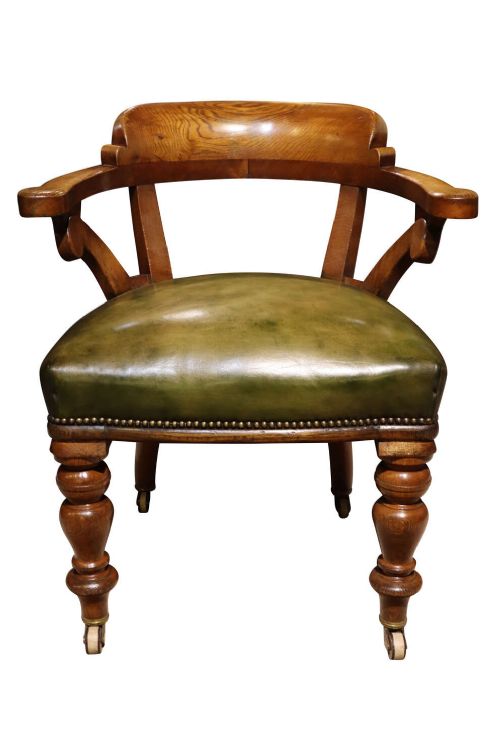
When you search for traditional green leather seat, you encounter a diverse array of seating and fireside furnishings from the eighteenth, nineteenth, and early twentieth centuries. These pieces range from swivel desk chairs and library armchairs to club fenders, benches, and sofas upholstered in distinctive green hides.
The selection on this page leans heavily towards Victorian and Edwardian library and office chairs, alongside mahogany dining chairs and wrought iron or brass club fenders. You will also find earlier eighteenth-century French fauteuils and George IV rosewood pieces, reflecting traditional craftsmanship across multiple periods.
Materials and construction
These pieces are constructed primarily from solid hardwoods such as mahogany, oak, walnut, and rosewood, often shaped into frames reflecting Georgian, Victorian, or Edwardian styles. Metal components like brass and iron appear in club fenders, castors, and structural fixings.
Genuine leather provides the durable upholstery for seats and cushions, sometimes detailed with button-tufting. Frame joinery relies on traditional woodworking methods suited to heavy daily use in studies, libraries, and country houses.
Traditional Green Leather Seat Retail Price Guide 2026
Typical asking prices for traditional green leather seat among the pieces listed under this phrase on Sellingantiques today, from the lower quarter to the upper quarter. They describe what is for sale here now, not the wider market.
Some club fenders were built remarkably long so entire foxhunting parties could warm their boots simultaneously by the hearth.
Evaluating quality and execution
Quality in these traditional green leather seat designs depends on the weight and selection of the timber frame, the richness of the wood grain, and the integrity of the joinery. Finer examples display hand-carved details, robust proportions, and high-grade hides that age gracefully.
Makers' marks, such as those from distinguished firms like Howard and Sons, elevate the standing of a piece. The depth of the buttoning, stability of swivel mechanisms in desk chairs, and quality of brass work on fenders also distinguish standard examples from exceptional ones.
Howard & Son's
The Traditional Green Leather Seat Glossary
- Club fender
- A low fireside seat with upholstered top rails, typically constructed from brass, iron, or wood. It surrounds a hearth and allows people to sit close to the fire.
- Fauteuil
- An open-armed French armchair with an exposed wooden frame. These classic seats date back to earlier European periods and often feature upholstered arm pads.
- Gainsborough chair
- A type of wide, high-backed armchair designed in the eighteenth century with upholstered arms and legs. They were traditionally used at writing desks.
- Chesterfield
- A large upholstered sofa or armchair characterised by deep button-tufting and rolled arms of equal height. They remain a staple of traditional British interiors.
- Joint stool
- An early form of wooden stool constructed with mortise and tenon joints. These sturdy seats predate the widespread use of upholstered chairs.
Traditional Green Leather Seat: Frequently Asked Questions
How do I care for antique leather?
Keep green leather seats away from direct sunlight and heat sources to prevent the hide from drying out. Regular dusting and occasional application of suitable leather conditioner help preserve the supple texture.
Avoid using harsh chemical cleaners, as these can strip the original colour and damage the patina accumulated over decades of use.
Are desk chairs suitable for daily work?
Many Victorian and Edwardian desk chairs feature revolving mechanisms and sturdy wooden frames designed for practical utility. They integrate well into modern studies while offering historic character.
Check the height and swivel action to ensure compatibility with contemporary desk setups before regular daily use.
What is a club fender used for?
Club fenders combine a low hearthside seat with a sturdy metal or wooden frame designed to protect sitters from excessive heat. They originated in large country houses for gathering around open fires.
The padded top rails provide comfortable seating directly in front of the fireplace.
How can I date a mahogany library chair?
Dating relies on examining the timber grain, construction techniques, and style influences such as George III or Victorian revival forms. Cabinetmakers often utilised specific wood varieties and joining methods during different decades.
Comparing the turned legs, castors, and upholstery style against documented period examples helps narrow down the decade of manufacture.