





18th Century French Armchair
An 18th century french armchair brings architectural grace and historic seating into a room through carved timber and period upholstery.
18th Century French Armchair
When searching for an 18th century french armchair, buyers encounter seating designed for formal salons and private chambers during periods spanning the Regence, Louis XV, Louis XVI, and Directoire eras.
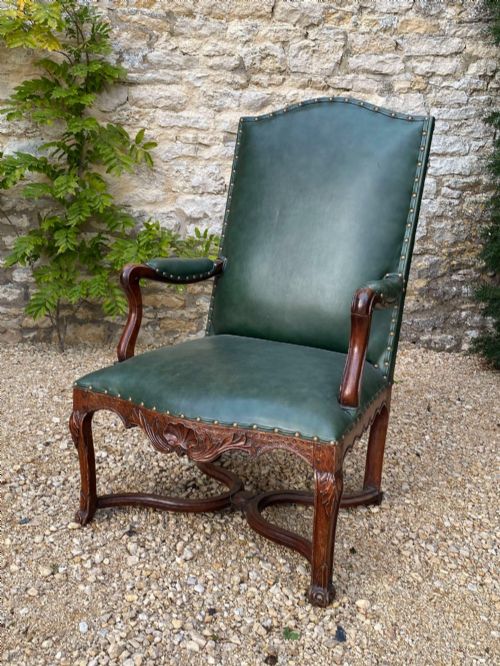
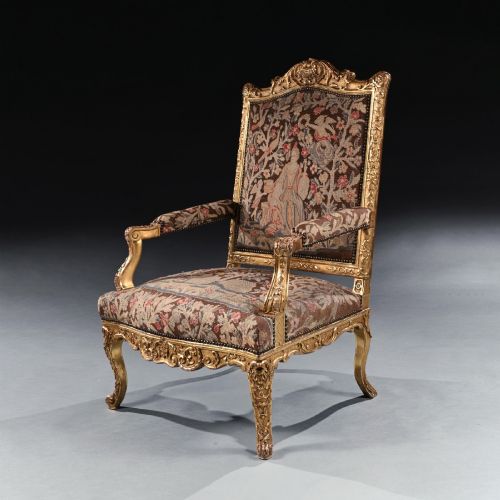
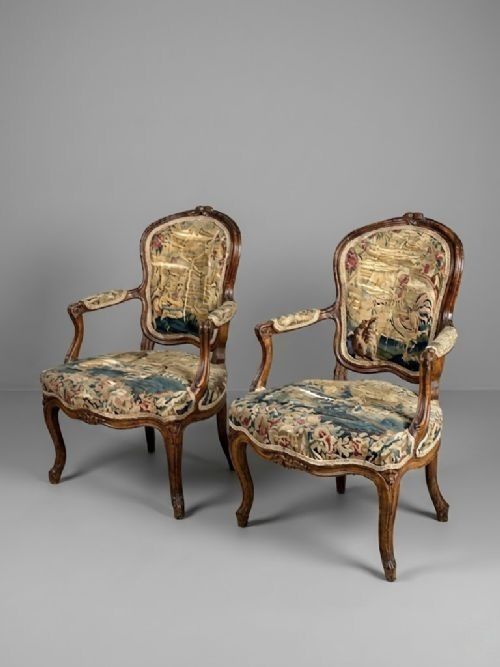
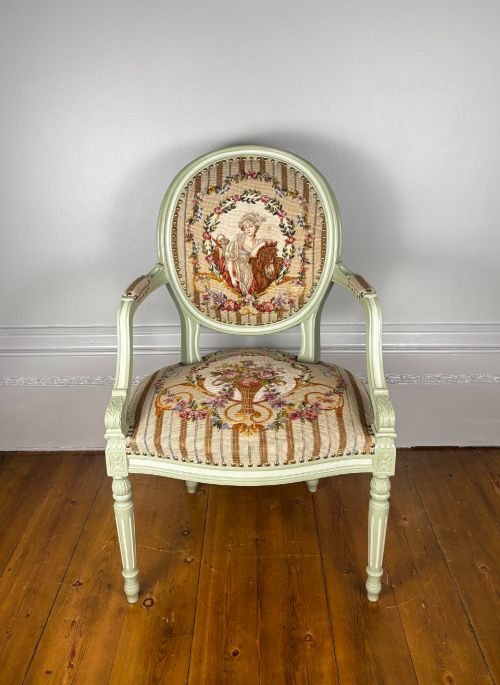
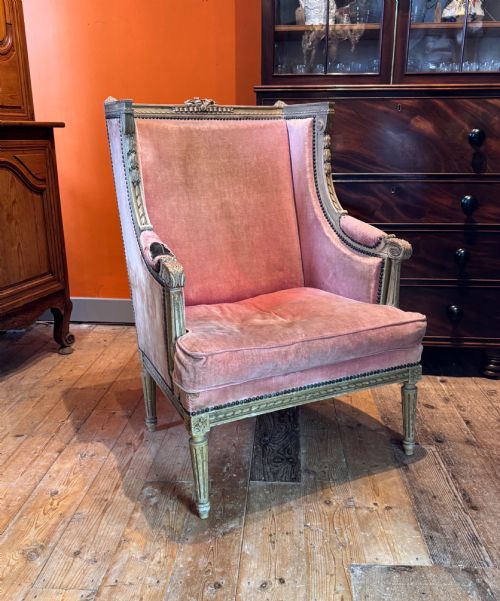
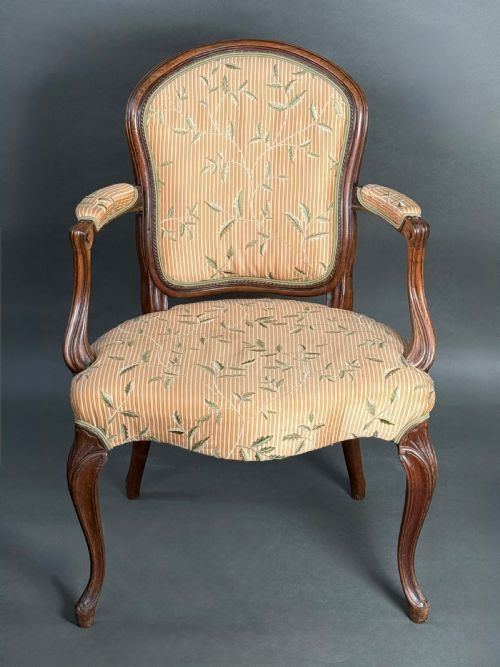
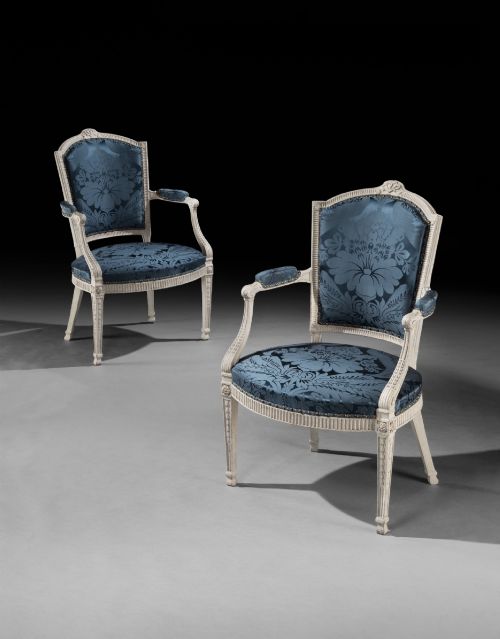
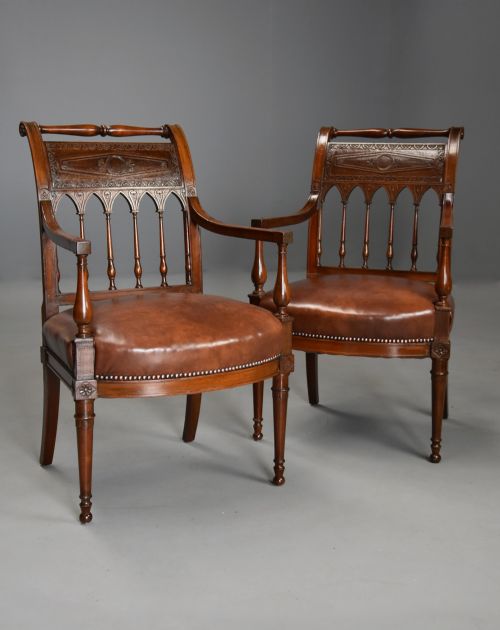
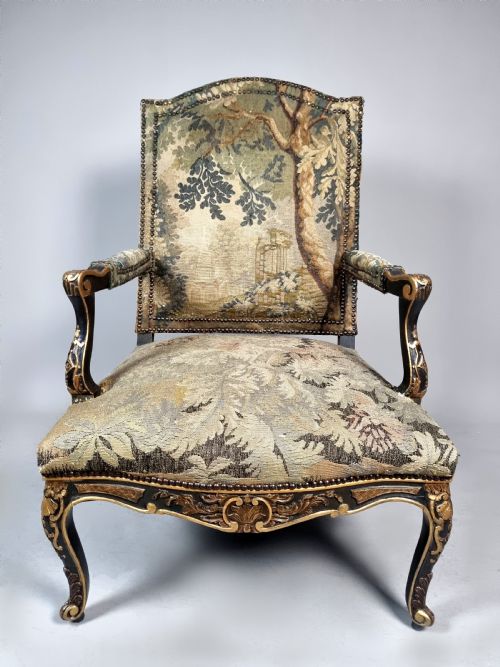
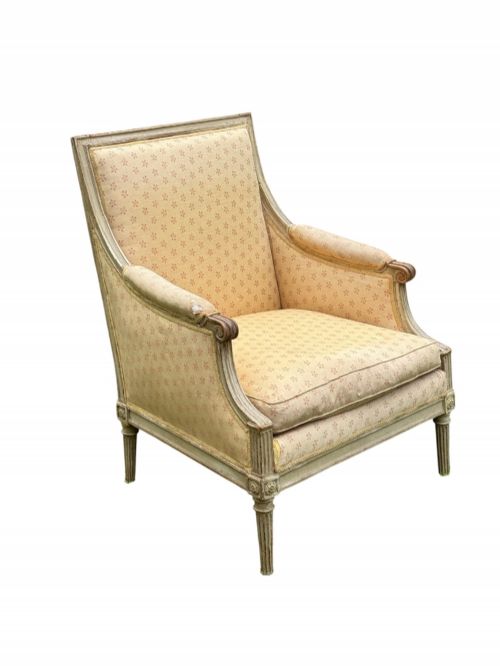
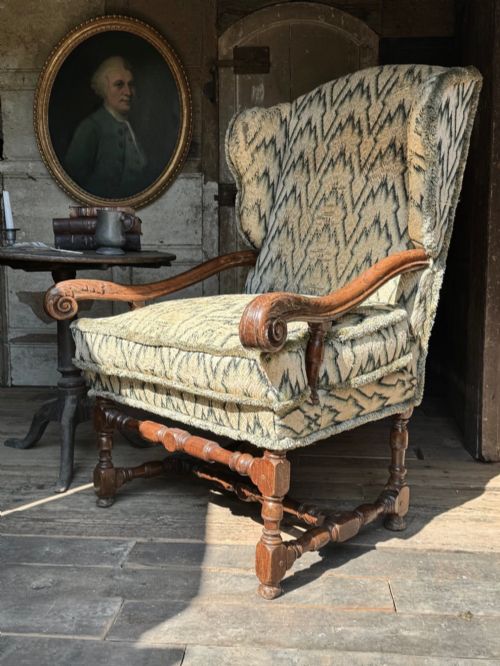
The pieces appearing here include open armchairs, known as fauteuils, alongside wingbacks and giltwood salon chairs framed in walnut, beech, fruitwood, or painted timber.
Makers and workshops of the time produced these frames with carved cabriole legs, fluted columns, and curved arm supports to suit changing interior fashions.
How they were made
Craftsmen carved structural frames from dense hardwoods like walnut, beech, and fruitwood, often applying gilding or original paint finishes directly to the wood.
Upholstery relied on traditional stuffing techniques finished with heavy textiles, including wool tapestry, needlepoint panels, and Aubusson weaves.
18th Century French Armchair Retail Price Guide 2026
Typical asking prices for 18th century french armchair among the pieces listed under this phrase on Sellingantiques today, from the lower quarter to the upper quarter. They describe what is for sale here now, not the wider market.
The inventory spans the 17th, 18th, and 19th centuries, capturing Regence, Louis XV, Louis XVI, and Directoire styles.
What varies in quality
The distinction between ordinary and superior pieces rests on the crispness of the hand-carved ornamentation and the integrity of the timber frame.
Original surface finishes, such as period paint or genuine gilding, elevate a piece above examples that have undergone later stripping or repainting.
Henri Jacob
The 18th Century French Armchair Glossary
- Fauteuil
- An open-framed upholstered armchair with wooden arms originating in France. This form defines many formal seating designs of the period.
- Aubusson
- A style of hand-woven tapestry used extensively for seat covers and wall hangings. These textiles often feature floral or figurative motifs.
- Giltwood
- Timber treated with a thin layer of gold leaf applied over a prepared ground. It appears on ceremonial and formal salon furniture.
- Directoire
- A transitional style bridging neoclassical designs and the French Empire period. It is characterised by restrained ornamentation and simpler structural lines.
18th Century French Armchair: Frequently Asked Questions
What is an 18th century french armchair?
These seating pieces are historic wooden chairs featuring carved frames and upholstered seats designed during the 1700s.
They served functional and decorative roles in high-status European interiors.
How were these chairs used?
Owners placed them in salons and reception rooms for formal seating and social gatherings.
Their open arm designs accommodated the voluminous fashion styles worn during the period.
How do I live with period chairs?
Place them in low-traffic areas away from direct sunlight to protect antique textiles and wooden frames.
Pairing them with neutral modern decor allows the historic carvings and upholstery to stand out.
How do I tell different styles apart?
Louis XV pieces display curved lines and asymmetrical floral carvings, while Louis XVI chairs feature straight fluted legs and geometric symmetry.
Directoire examples offer simpler profiles that anticipate nineteenth-century neoclassical tastes.