

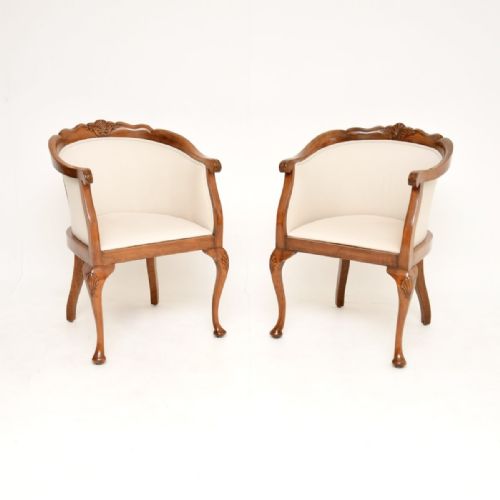


Carved Shell Walnut Chair
A carved shell walnut chair brings unmistakable depth to a room, pairing rich timber with intricate shell motifs.
Carved Shell Walnut Chair
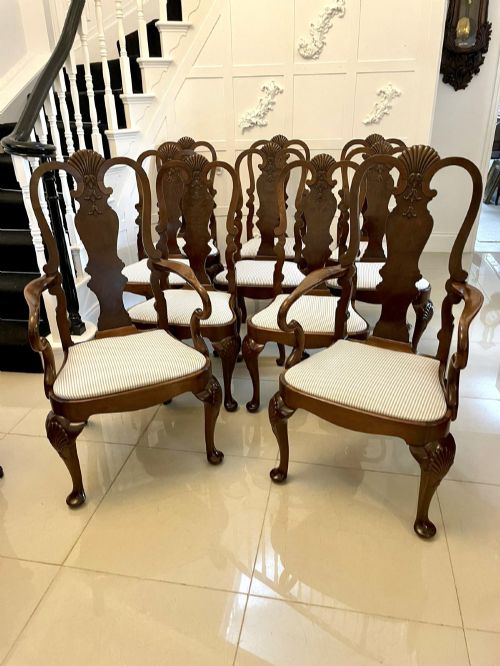
When you search for a carved shell walnut chair, you encounter seating built from rich walnut timber, frequently featuring distinct shell crests or details. These pieces span centuries of design, encompassing formal side chairs, dining sets, and generous armchairs.
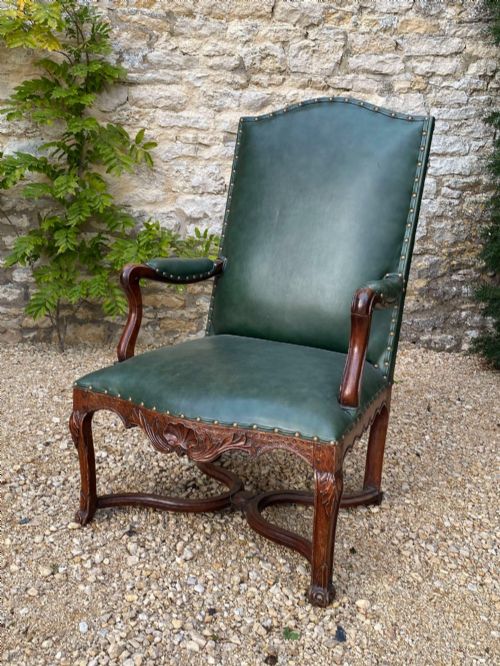
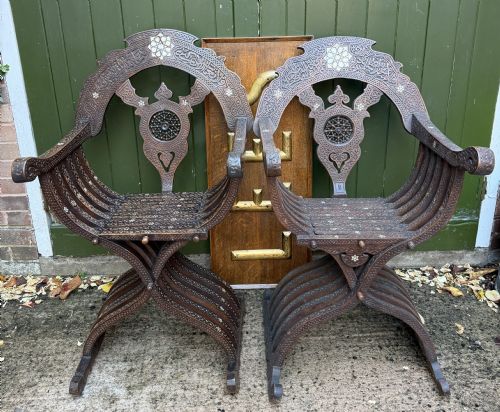
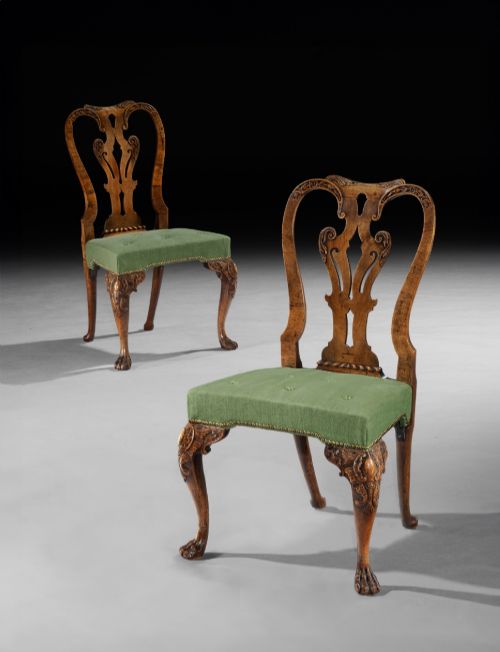
The listings on this page show examples originating from the Georgian and Victorian eras, alongside later revival pieces and continental interpretations. You will find items influenced by Queen Anne, George II, and Louis XV aesthetics, as well as Syrian Revival and Italian Rococo designs.
Armchairs, side chairs, and folding forms dominate the selection, often upholstered in textile, tapestry, fabric, or leather. Walnut remains the principal timber, occasionally accompanied by fruitwood or enhanced with mother-of-pearl inlay.
How they were made
Cabinetmakers utilised solid walnut and fruitwood to construct these frames, applying hand-carving techniques to shape the shell motifs and cabriole legs. Timber selection determined the structural integrity, while skilled carving brought depth to the crest rails and knees.
Upholstery methods varied from traditional horsehair stuffing beneath heavy tapestry and fabric to supple leather panels secured with brass tacks. Inlaid examples incorporated mother-of-pearl nacre-shell pieces directly into the wooden framework.
Joinery relied on traditional mortise and tenon construction, ensuring the chairs could withstand generations of daily use. Surface finishes were typically hand-polished to highlight the natural grain and warm tone of the walnut.
Carved Shell Walnut Chair Retail Price Guide 2026
Typical asking prices for carved shell walnut chair among the pieces listed under this phrase on Sellingantiques today, from the lower quarter to the upper quarter. They describe what is for sale here now, not the wider market.
Listings feature walnut, fruitwood, and brass alongside textile, tapestry, fabric, and leather upholstery.
What varies in quality
The standard of a carved shell walnut chair rests heavily upon the crispness of the timber carving and the selection of the wood. Superior pieces exhibit deeply undercut shell motifs and tight, figured walnut grain that has aged to a rich patina.
Structural proportion and historical fidelity distinguish exceptional examples from simpler workshop output. Chairs that retain their original upholstery methods, supportive frames, and uncompromised joinery command greater appreciation.
The integration of secondary materials, such as finely fitted mother-of-pearl inlay or heavy brass hardware, marks the difference between standard production and master craftsmanship.
The Carved Shell Walnut Chair Glossary
- Walnut
- A dense, dark hardwood prized for its rich grain and stability in carved furniture. It was the favoured timber for high-status seating during the eighteenth century.
- Cabriole leg
- A furniture leg that curves out and then tapers inward, typically ending in a pad, claw, or scroll foot. It is a defining feature of Queen Anne and George II seating.
- Nacre
- An iridescent inner layer of mollusc shell, commonly known as mother-of-pearl. It is used for decorative inlay work on specific revival and Middle Eastern chairs.
- Crest rail
- The uppermost horizontal member of a chair back. On these pieces, it frequently carries the carved shell motif.
Carved Shell Walnut Chair: Frequently Asked Questions
How do I date a walnut chair?
Dating relies on examining the construction methods, tool marks, and stylistic indicators present in the timber frame. Eighteenth-century examples display hand-cut joinery and specific joinery wear, whereas revival pieces from the nineteenth and twentieth centuries often show later manufacturing techniques.
Comparing the carved details and overall proportions to established period designs helps narrow down the decade of production. Examining the underside and interior joints reveals the age of the timber and any historical repairs.
Are these chairs suitable for daily use?
Many of these chairs remain structurally robust enough for regular seating, provided the joints are stable and secure. Walnut is a durable hardwood that withstands normal sitting when the underlying frame has been properly maintained.
Consider the seating height and arm clearance if you plan to use them around a modern dining table or as desk chairs. Periodic checks of the frame joints ensure they remain safe for everyday deployment.
How should I care for antique walnut?
Maintain walnut furniture by keeping it away from direct sunlight and sudden shifts in temperature or humidity. This prevents the timber from drying out and guards against splitting in the carved sections.
Apply a traditional wax polish sparingly to nourish the wood and preserve the natural sheen of the surface. Avoid using modern aerosol sprays that contain silicone, as they can damage the aged patina.
What is the difference between side chairs and armchairs?
Side chairs are built without arms, designed originally to be tucked against a wall or set around a dining table when not in use. They offer a compact footprint while still displaying the primary carved shell motifs on the back.
Armchairs feature structural supports for the arms, offering a wider seat and a more commanding presence in a room. They often serve as accent pieces or occasional seating in living spaces.