

Antique Country French Chair
An antique country french chair brings provincial warmth and robust timber construction into a modern room with effortless charm.
Antique Country French Chair
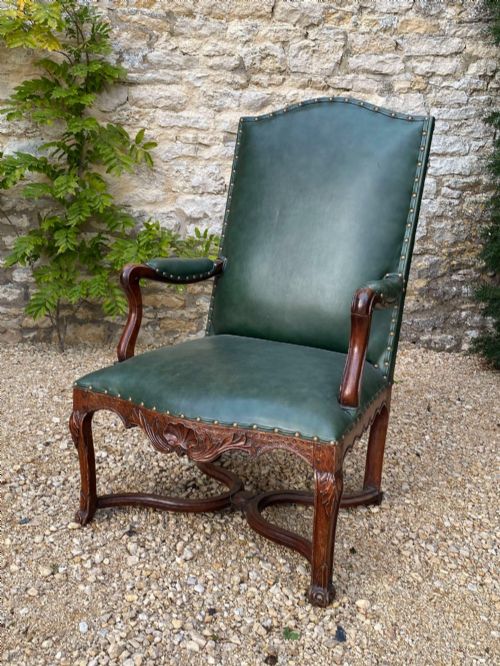
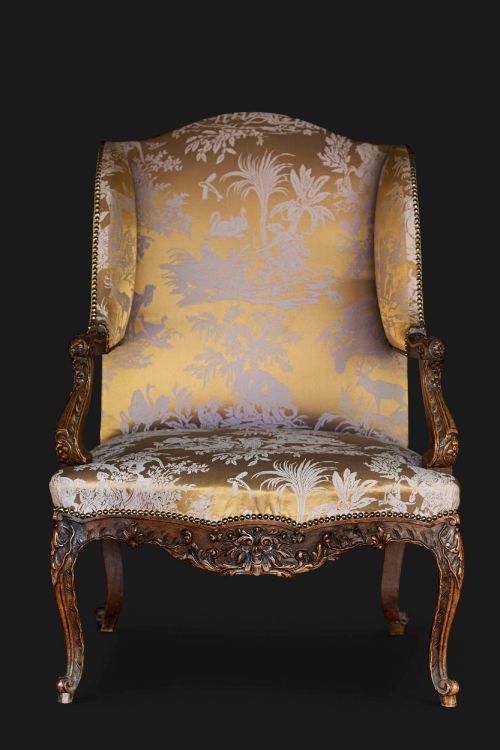
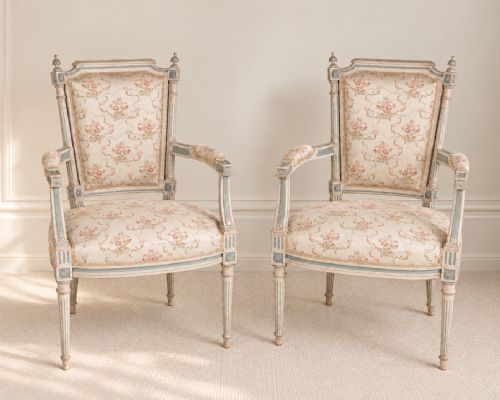
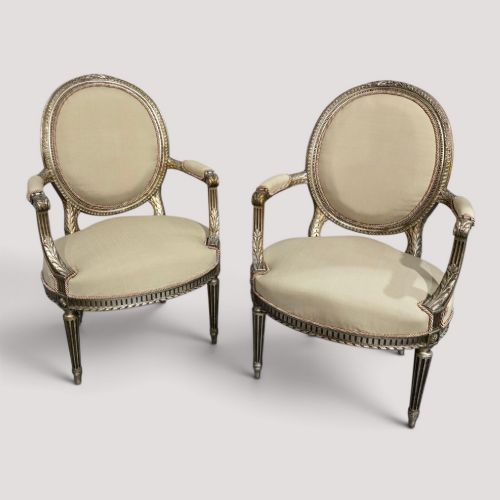
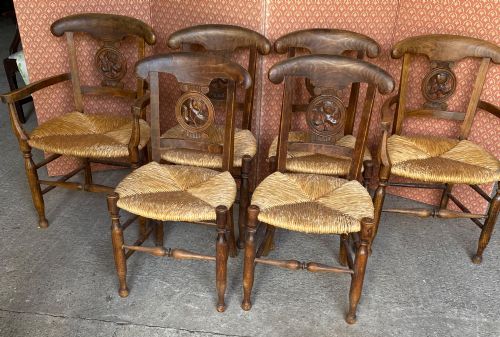
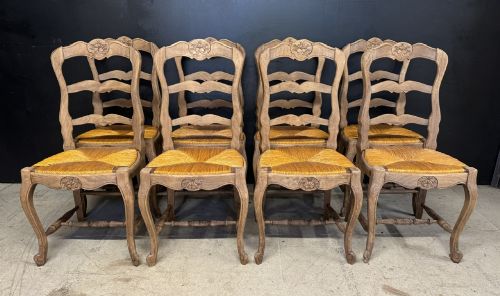
When you search for an antique country french chair, you are looking at seating spanning from the late seventeenth century through the early twentieth century. The selections available on this page run from modest elm child chairs and oak farmhouse dining sets to carved walnut armchairs and painted provincial bergères.
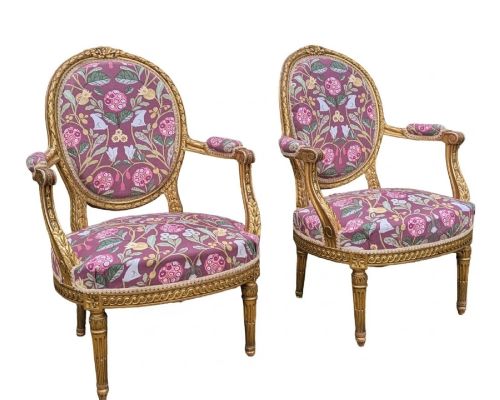
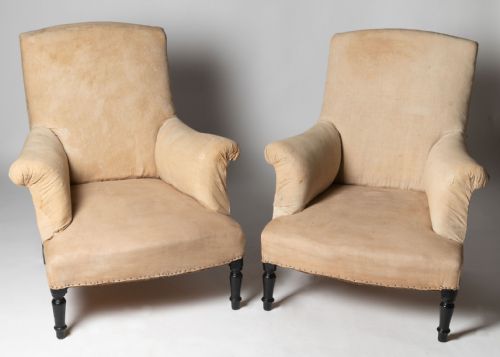
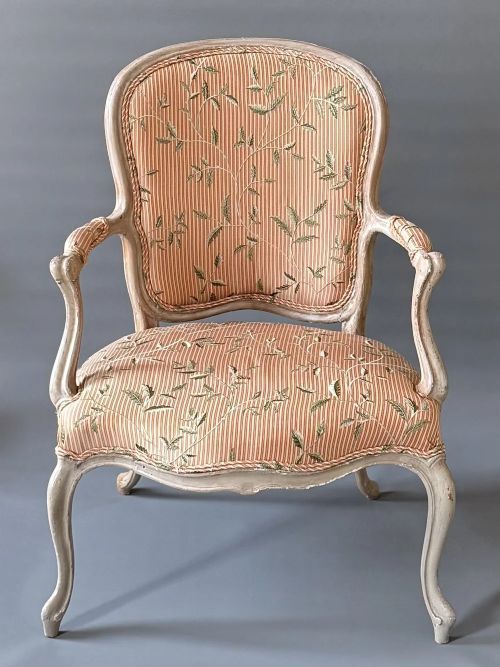
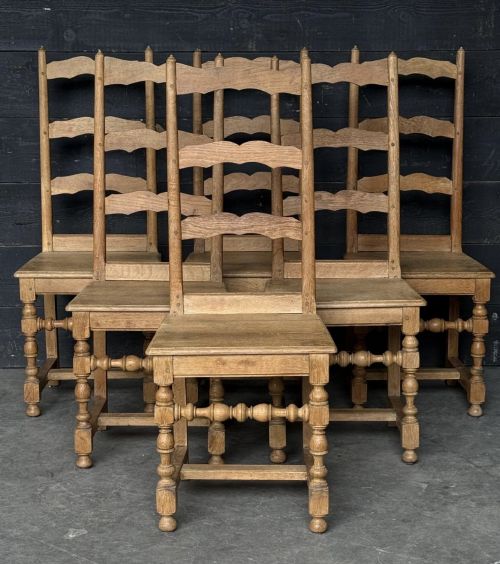
The version you are most likely to meet on this page is an upholstered armchair or a set of dining chairs originating from regional French workshops. These pieces frequently display the fluid lines of Louis styles adapted by local makers using accessible regional timbers rather than exotic imports.
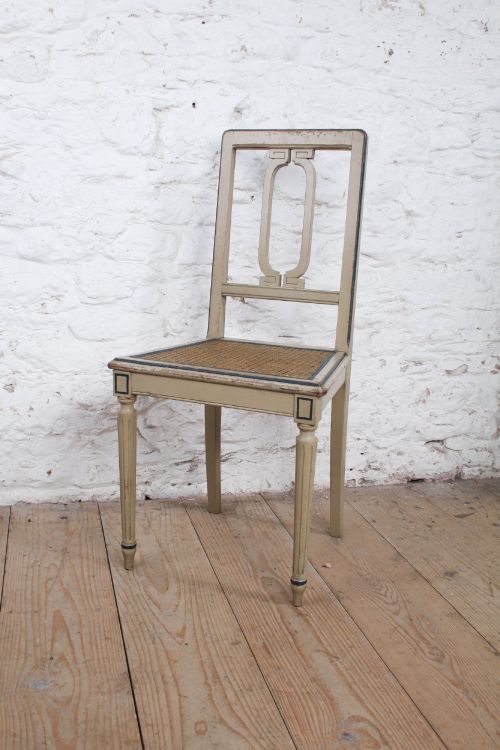
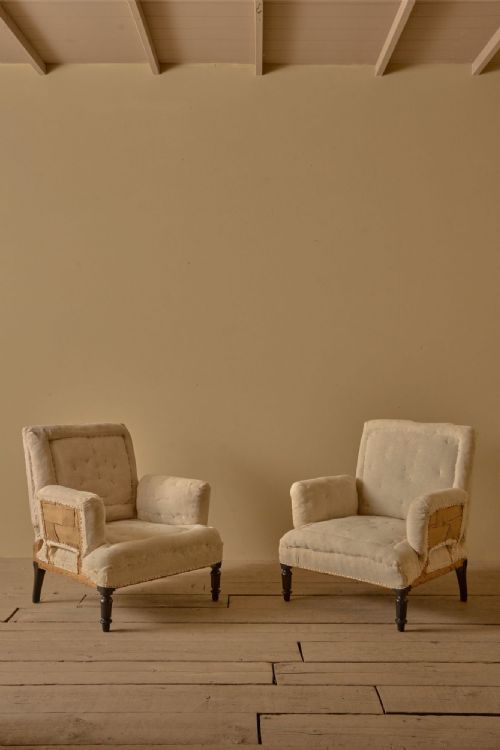
Forms extend beyond standard dining seats to encompass side chairs, bedroom chairs, slipper chairs, and low benches suited to varied domestic interiors. Provincial interpretation ensures each surviving piece carries distinct regional character rather than rigid court standardisation.
How they were made
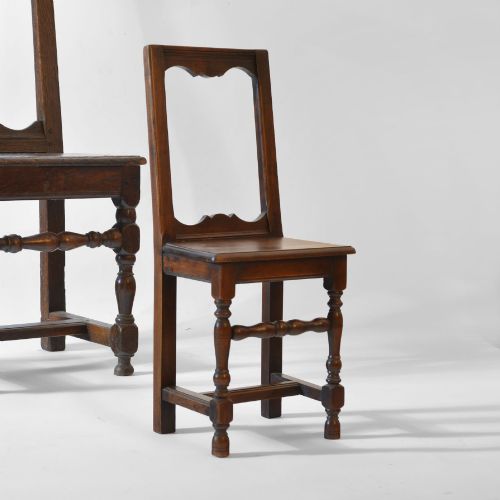
Construction relies upon solid regional hardwoods including walnut, fruitwood, elm, and oak for structural frames, jointed with traditional joinery methods. Many pieces retain original painted or giltwood surfaces, while others show exposed wood grain developed through generations of domestic use.
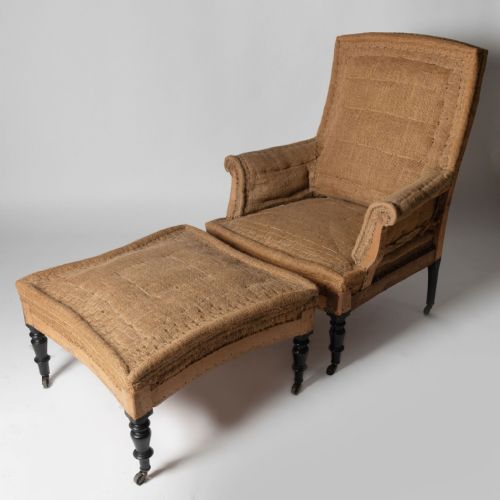
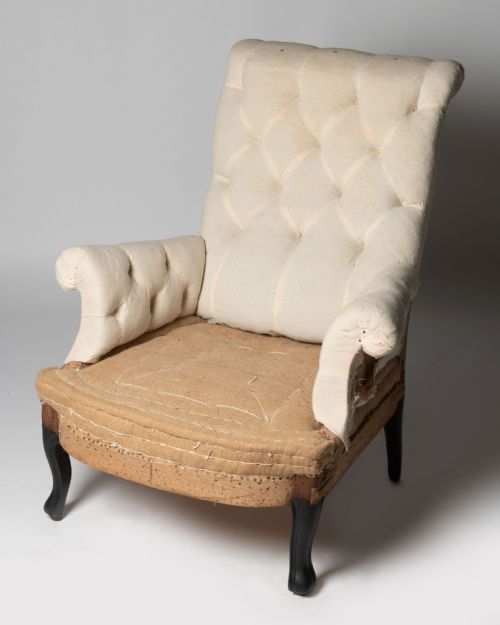
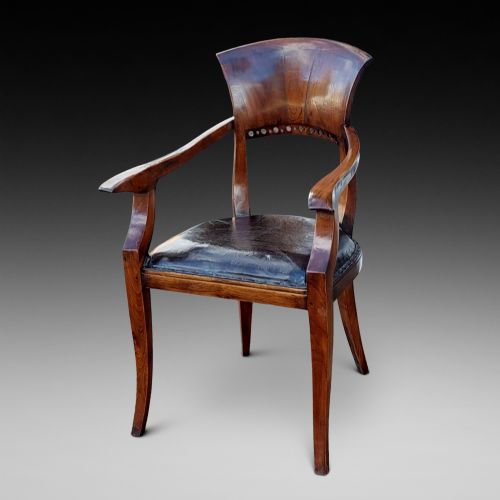
Upholstery techniques involve traditional stuffing secured over webbing or rush seating, paired with coverings of linen, velvet, leather, or needlework. Metal elements such as brass studs or iron bracing appear where structural reinforcement or decorative trim is required.
Antique Country French Chair Retail Price Guide 2026
Typical asking prices for country french chair among the pieces listed under this phrase on Sellingantiques today, from the lower quarter to the upper quarter. They describe what is for sale here now, not the wider market.
A sturdy little fruitwood child's chair proves that eighteenth and nineteenth-century households included seating scaled strictly for the smallest family members.
What varies in quality
The distinction between ordinary and exceptional examples rests in the crispness of the hand-carved ornamentation and the integrity of the timber frame. Pieces retain higher standing when their structural joinery remains tight and their original decorative surfaces, such as early paint or giltwood, survive intact without heavy intervention.
Proportion and regional character also dictate distinction, with purposeful provincial lines commanding greater interest than later mass-produced revivals. The retention of original upholstery materials, rush work, or period leather adds notable integrity to a piece.
COLEFAX AND FOWLER
The Antique Country French Chair Glossary
- Fauteuil
- An open-armed upholstered armchair originating in France, typically featuring exposed wood framing around the back and seat. These chairs provide a lighter visual presence than fully upholstered wingbacks.
- Bergere
- A closed-arm upholstered armchair with padded sides set within a wooden frame, often featuring a loose seat cushion. They offer a more enclosed and comfortable seating position than standard open armchairs.
- Fruitwood
- Timber harvested from fruit-bearing trees such as pear, cherry, or apple, frequently utilised in provincial furniture making. It accepts carving well and develops a rich patina over time.
- Rush
- Dried marsh grass woven tightly to form traditional seat pads on rustic chairs and benches. This organic material provides a resilient and breathable seating surface.
- Giltwood
- Timber coated with a thin layer of gold leaf applied over a prepared gesso base. This technique adds a luminous decorative finish to formal carved frames.
Antique Country French Chair: Frequently Asked Questions
How do I identify a provincial french chair?
Provincial chairs are identified by simpler, heavier frames and regional timbers like elm, fruitwood, and oak rather than the refined exotic veneers of court furniture. Local makers adapted formal Louis styles with thicker proportions and regional interpretations of carving.
You will often notice rustic joinery, rush seating, or utilitarian forms such as child chairs and farmhouse dining sets that reflect everyday domestic life outside Paris.
Where were these chairs used in a french home?
These chairs served varied domestic functions across different rooms, from high-backed armchairs placed in salons to rush-seated benches used in hallways. Smaller side chairs and bedroom chairs furnished private chambers and dressing rooms.
Dining sets gathered families around large farmhouse tables, while specialised desk chairs and child chairs catered to daily household tasks and family members.
How should I care for antique wood and upholstery?
Protect antique wood frames by maintaining stable room humidity and avoiding direct placement near heat sources that cause timber to dry and split. Clean surfaces gently with a soft dry cloth, preserving original painted or polished finishes.
Upholstery requires careful vacuuming using low suction attachments to protect fragile textiles, leather, needlework, or delicate trimming from damage.