
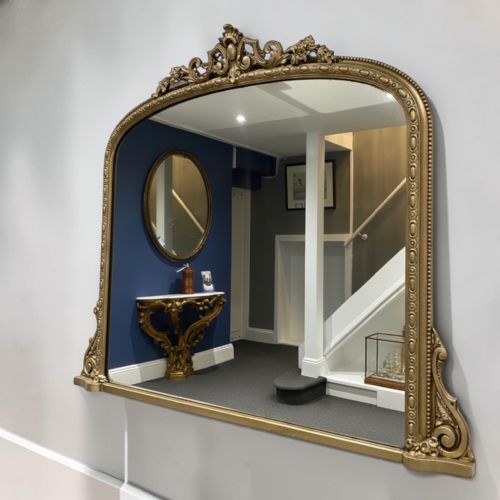
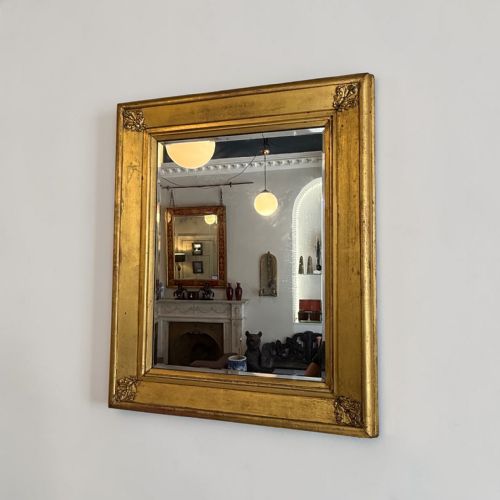
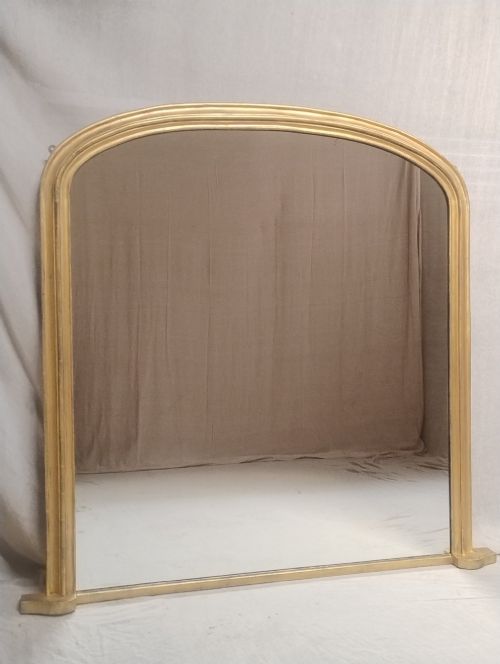

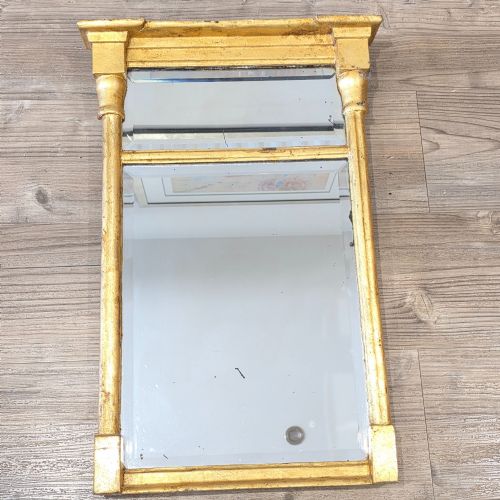
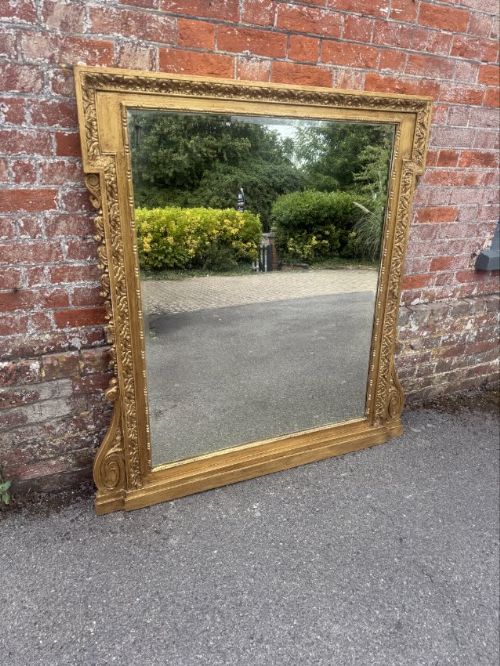
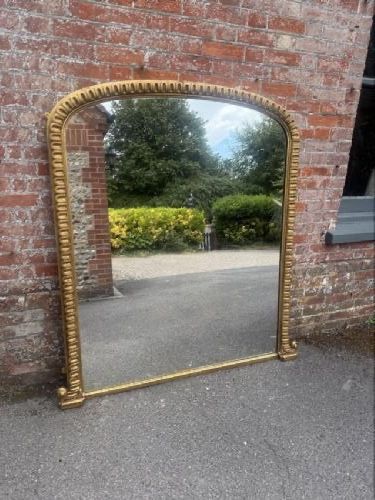
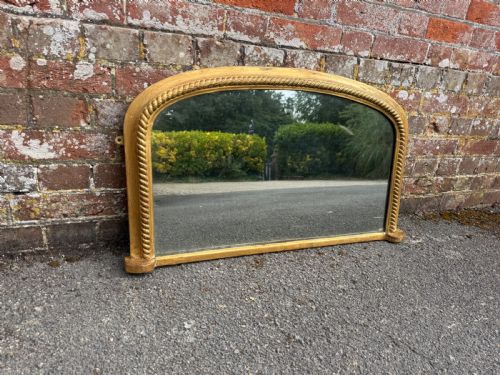
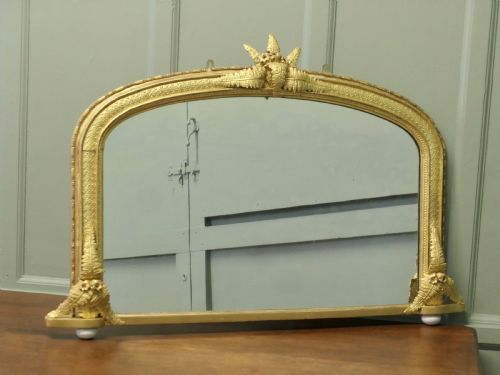
Traditional Gold Overmantel Mirror
Traditional gold overmantel mirror selections bring architectural scale and warm metallic reflection to chimney breasts, originating predominantly from the nineteenth century.
Traditional Gold Overmantel Mirror
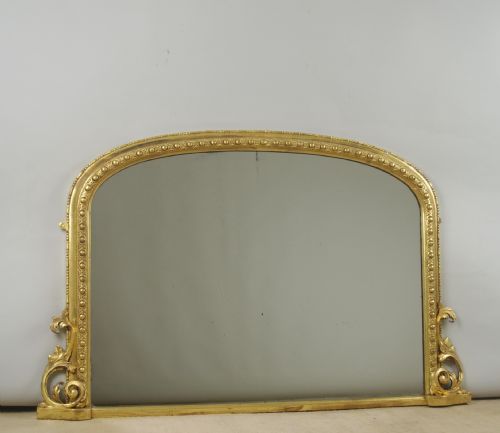
A traditional gold overmantel mirror is designed specifically to sit above a fireplace hearth, filling the wide horizontal or tall arched space previously dominated by wooden mantelpieces. Buyers searching for this phrase seek large-scale focal pieces that anchor a room and bounce daylight across interior spaces.
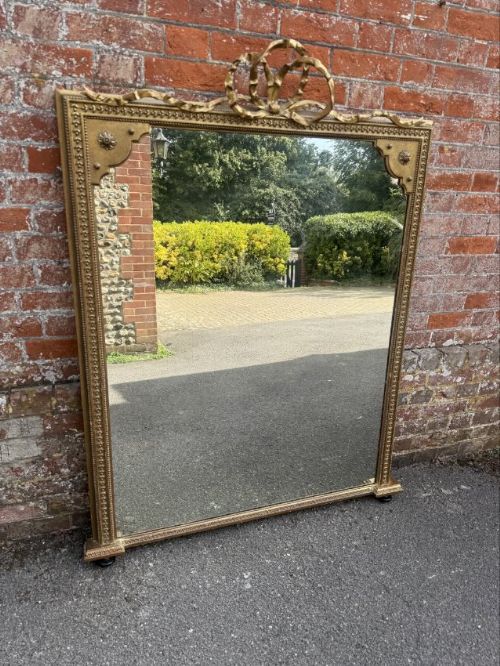
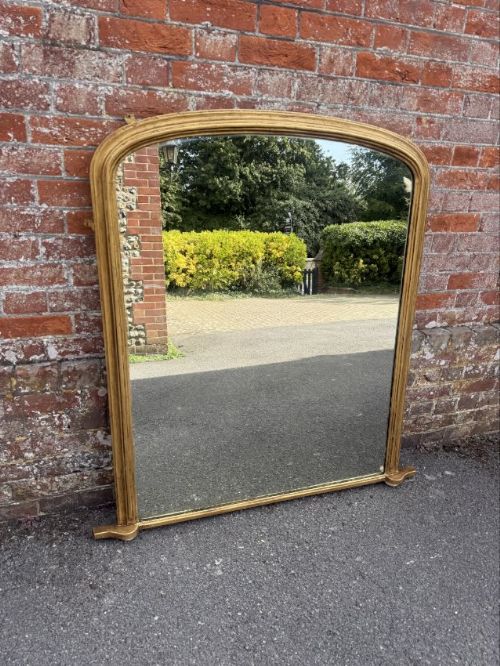
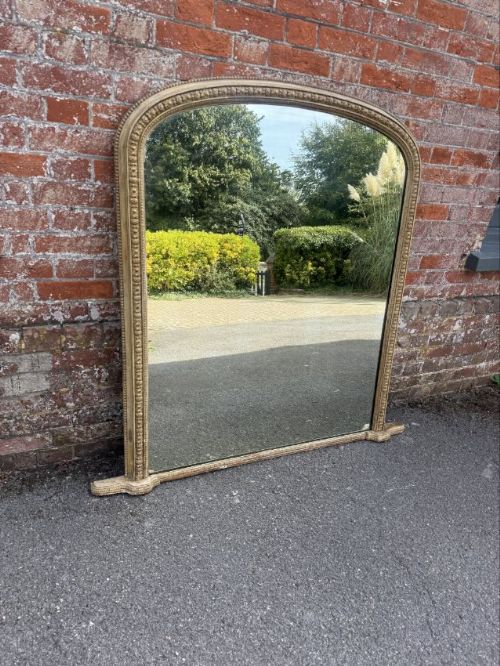
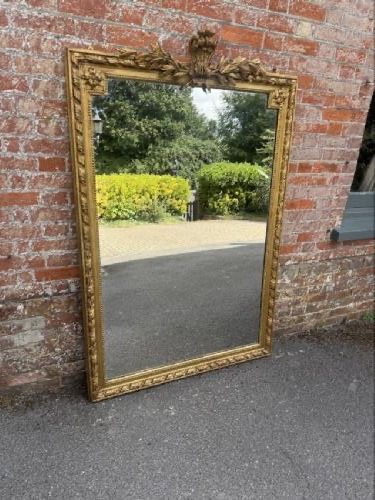
The versions most commonly met on this page date from the Victorian and Regency periods, spanning the decades between eighteen-sixty and nineteen-ten. These pieces typically display arched, shaped, or rectangular wooden frames finished in gilt surfaces that reflect nineteenth-century aesthetic preferences.
How they were made
Maker workshops constructed the underlying structures using carved wood, timber, and composition materials to build robust frames capable of supporting heavy glass panels. Gesso was then applied to smooth the wooden surfaces before the application of gold leaf or gilt coatings.
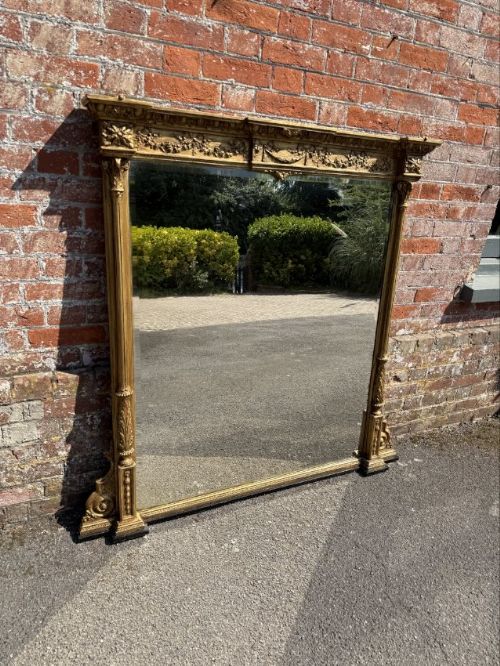
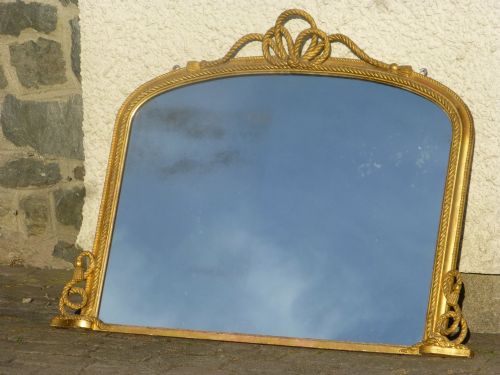
Surfaces received decorative treatments ranging from ribbed and rope-twist borders to elaborate floral motifs and column framing. Many surviving examples retain original mirror glass, which often exhibits natural foxing accumulated over more than a century.
Some nineteenth-century frames feature nautical rope-twist carvings, offering a subtle maritime touch to domestic fireplaces.
What varies in quality
The depth and definition of the carved wood and gesso ornamentation separate standard decorative frames from superior examples. Crisp detailing along the arches and applied mouldings indicates skilled handwork during the manufacturing process.
The condition and authenticity of the gilded surface and the mirror glass itself determine the overall integrity of the piece. Original mercury or silvered plates showing age-related foxing hold distinct character compared to later replacement glass.
The Traditional Gold Overmantel Mirror Glossary
- Overmantel
- A large mirror designed to hang directly above a fireplace mantelpiece. These pieces often feature wide proportions suited to the width of the hearth below.
- Gesso
- A plaster-like mixture applied to a wooden frame to create a smooth surface for gilding. It allows craftsmen to carve intricate relief details before applying gold leaf.
- Giltwood
- Timber that has been coated with gold leaf or a gold-coloured finish. This material provides the bright reflective warmth characteristic of traditional frames.
- Foxing
- Age-related spots and discoloration appearing within the mirror glass plate. This natural oxidation process occurs as the silver backing degrades over decades.
Traditional Gold Overmantel Mirror: Frequently Asked Questions
Where should an overmantel mirror be hung?
These mirrors are traditionally positioned centrally on the wall directly above a fireplace mantelpiece, where their proportions balance the hearth structure below. They can also serve as large focal wall mirrors in other principal rooms.
When mounting, ensure the wall fixings securely support the substantial weight of the timber and glass construction, keeping the lower edge just above the mantel shelf.
How do I identify a Victorian overmantel mirror?
Victorian examples frequently display arched or shaped wooden tops, heavy gesso moulding, and distinctive gilt frames dating from eighteen-sixty to eighteen-eighty. They often incorporate decorative motifs such as columns, rope twists, or floral elements.
Inspecting the construction methods on the reverse of the timber frame helps confirm nineteenth-century origin and traditional assembly techniques.
What is foxed glass on a mirror?
Foxed glass refers to the natural dark spots and mottled patches that develop on older mirror plates over time. This occurs when moisture interacts with the reflective backing behind the glass during long periods of exposure.
Collectors often value original foxed glass because it provides clear visual evidence of genuine antique age rather than modern reproduction.
Can these mirrors be used in modern interiors?
Traditional gold overmantel mirrors work effectively in contemporary spaces by introducing historical contrast and warm metallic tones. Their scale helps amplify natural light within smaller rooms.
Pairing an ornate nineteenth-century arched frame with minimalist modern furnishings creates a balanced interior scheme that highlights the craftsmanship of the piece.