



Traditional Glass Paintings
Traditional glass paintings bring luminous depth and colour to a room through pigments applied directly to the reverse of the pane.
Traditional Glass Paintings
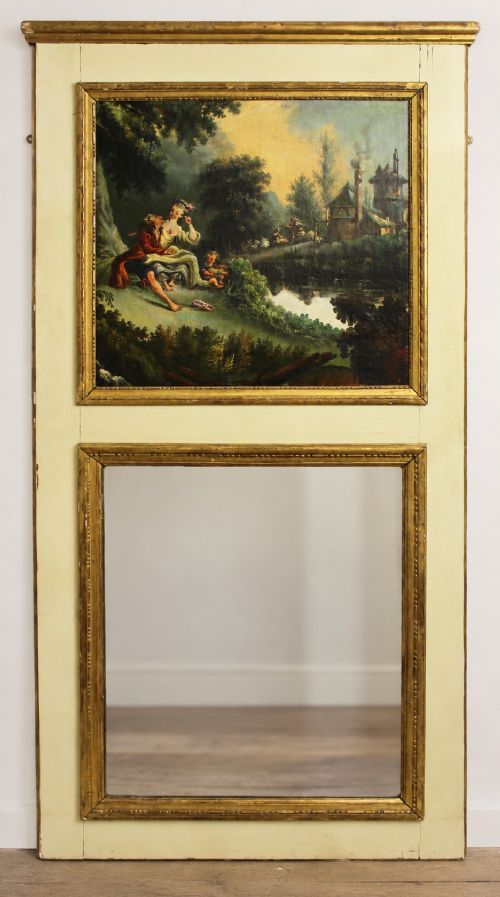
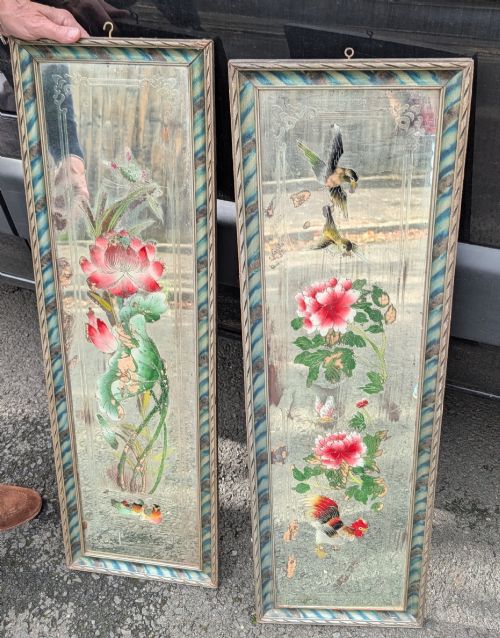
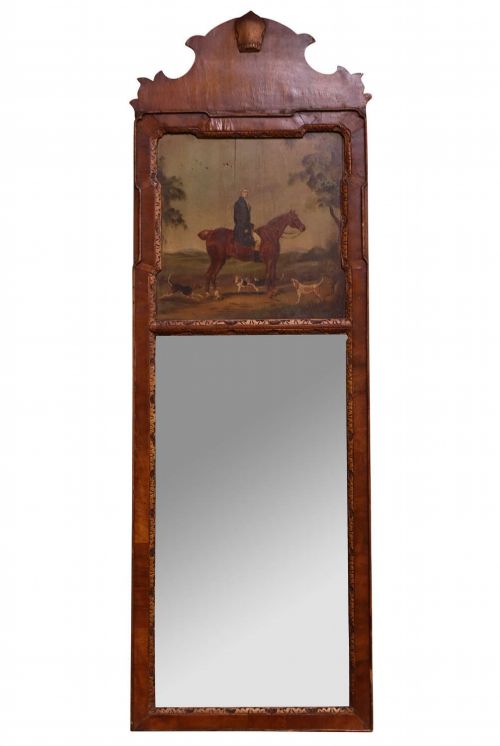
Traditional glass paintings encompass reverse glass prints and reverse glass paintings spanning from the Georgian period through to the twentieth century. These works frequently incorporate decorative mirrors, including Chinese wall hanging mirrors and French trumeau mirrors with pastoral scenes.
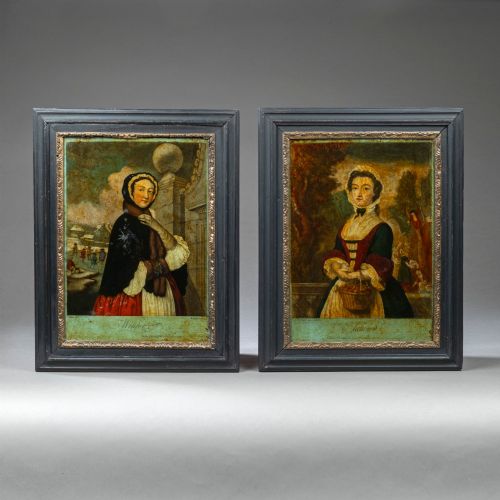
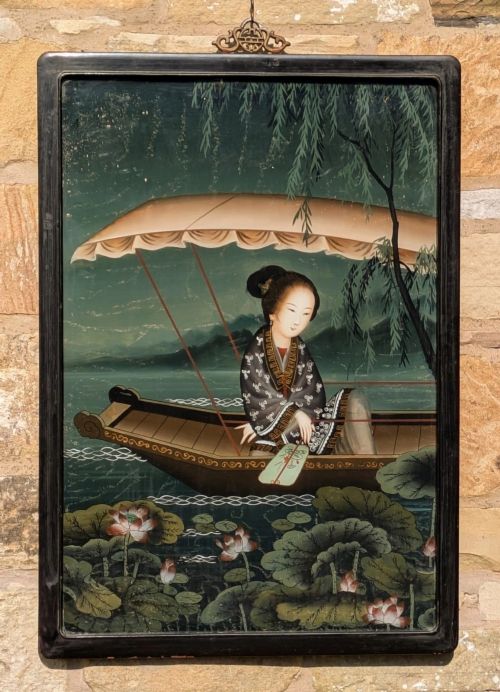
The pieces on this page lean heavily towards Chinese reverse paintings on glass alongside British and European examples. Buyers encounter both single portraits, such as dignitaries, and balanced pairs depicting seasonal allegories.
Forms range from small wall art panels to large pier glass mirrors framed in wood. The imagery moves between classical European portraiture and detailed Asian motifs.
How they were made
Makers applied oil paint directly onto sheets of glass, working in reverse so that foreground details and highlights were laid down first. The finished image is viewed through the transparent pane, which protects the pigment and imparts a distinct sheen.
Many pieces incorporate wooden frames, brass elements, and paper backing to secure the glass panels. Trumeau mirrors integrate these painted glass or canvas panels directly into architectural woodwork.
Traditional Glass Paintings Retail Price Guide 2026
Typical asking prices for traditional glass paintings among the pieces listed under this phrase on Sellingantiques today, from the lower quarter to the upper quarter. They describe what is for sale here now, not the wider market.
Several pieces feature earnest dignitaries and stately horses peering out permanently from behind protective sheets of polished glass.
What varies in quality
Quality rests in the precision of the brushwork and the complexity of the composition. Finer works display meticulous detail in facial expressions and botanical forms, whilst simpler pieces rely on broader, less refined strokes.
The integrity of the glass and the preservation of the underlying paint layer dictate the overall merit of an item. Intact original frames in wood or brass also elevate the standing of the piece.
Edward Ladell·Katherine Bourne
The Traditional Glass Paintings Glossary
- Reverse glass painting
- A technique where the artist paints directly on the back of a glass sheet so the image is viewed from the front. This method protects the pigments from dust and atmosphere.
- Trumeau mirror
- A wall mirror featuring an integrated painted panel or oil painting above the glass plate. These items originated in eighteenth-century France and were designed for pier walls.
- Pier glass
- A tall mirror specifically designed to hang on the wall space between two windows. They often incorporate decorative oil paintings in the upper section.
- Chinoiserie
- A European decorative style influenced by Chinese art and design. It frequently appears on mirrors and paintings from the eighteenth and nineteenth centuries.
Traditional Glass Paintings: Frequently Asked Questions
What are traditional glass paintings?
Traditional glass paintings are artworks created by applying pigments directly to the reverse side of a glass sheet. The finished image is then viewed through the smooth front surface.
This technique gives the colours a distinct luminosity and depth that differs from standard canvas or paper works. Pieces often include decorative mirrors and framed wall art from various historical periods.
How do you clean glass paintings safely?
Cleaning these pieces requires extreme care because the paint sits on the reverse side of the glass. Moisture must be kept away from any edges or exposed backing where water could seep behind the pane.
Dust the surface gently with a soft, dry cloth and avoid commercial glass cleaners entirely. Liquid cleaners can easily migrate under the frame and damage the historical pigments.
Where were reverse glass paintings hung?
These artworks traditionally hung in principal rooms, parlours, and hallways of period homes to catch the natural light. Their reflective surfaces helped brighten darker corners before the widespread use of electric lighting.
Large examples, such as pier glass mirrors and trumeau mirrors, were positioned between windows or above mantelpieces to anchor the interior scheme.
How do you date a glass painting?
Dating relies on examining the framing materials, the style of the imagery, and the construction of the glass itself. Georgian and nineteenth-century examples often feature older timber frames and hand-blown glass irregularities.
Subject matter also provides strong clues, with styles shifting from classical Chinese motifs to European realism and twentieth-century revivals.