


Georgian Allegorical Prints
Georgian allegorical prints use classical symbolism and portraiture to convey moral and political ideas.
Georgian Allegorical Prints
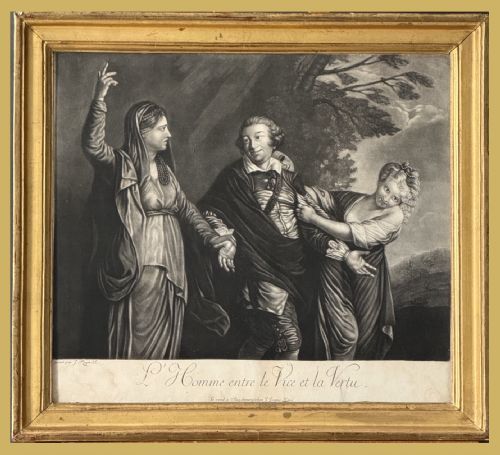
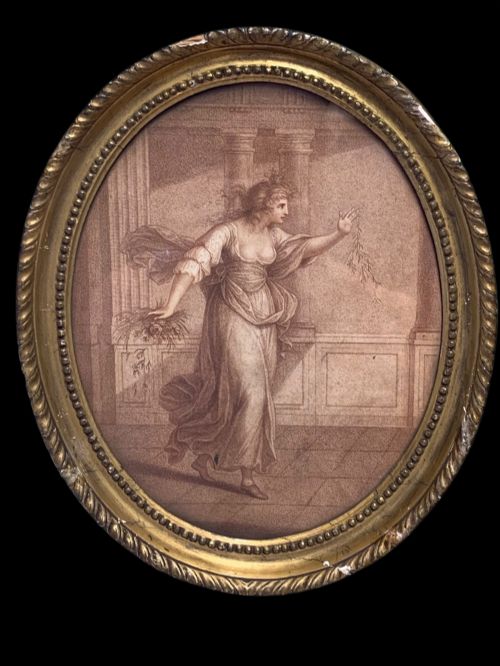
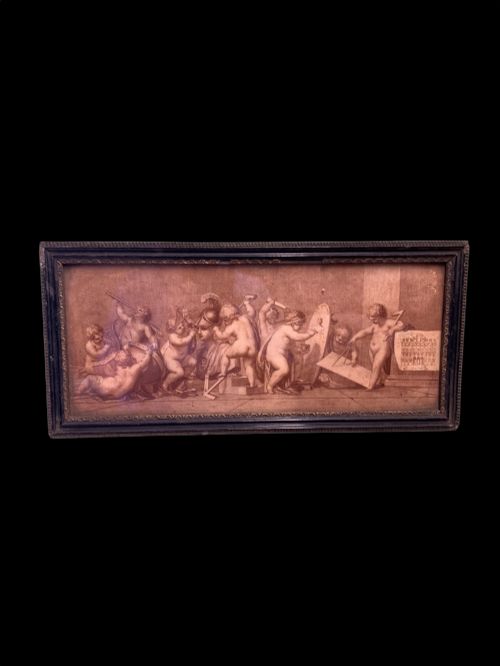
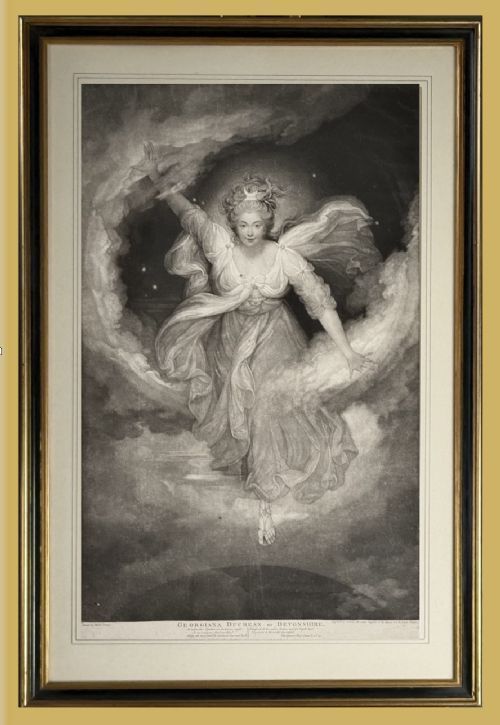
When you search for georgian allegorical prints, you find works executed in the eighteenth century and the Regency period that employ symbolic imagery to portray virtues, vices, political figures, and seasonal themes. The items listed on this page comprise framed wall art, stipple engravings, mezzotint portraits, and reverse glass prints.
The versions you are most likely to meet here include mezzotints after painters like Sir Joshua Reynolds, stipple engravings, and glass prints depicting the seasons or political subjects involving King George III. These pieces span the eighteenth century, the late Georgian period, and the year 1800, generally preserved within wooden and giltwood frames.
How they were made
The production methods recorded in the listings rely heavily on printmaking techniques such as mezzotint and stipple engraving, utilising paper and ink to capture fine tonal gradations and details. These printed works frequently appear with oil paint and gold leaf applied to glass in the reverse glass prints.
Framing forms an integral part of the physical object, utilising wood, giltwood, and gilt to house the works for wall display.
Listings feature items from the eighteenth century, the Regency period, and the year 1800, utilising materials such as glass, wood, paper, ink, and gold leaf.
What varies in quality
The distinction between items rests on the execution of the printmaker's plate and the finesse of the hand-applied elements in reverse glass examples. Works that retain crisp ink impressions and vibrant gilding demonstrate superior visual impact compared to those with faded pigments.
The quality of the framing materials, such as detailed giltwood versus plain wood, contributes to the overall distinction of the finished artwork.
Jiohan Elis Haid·Sir Joshua Reynolds·Valentine Green·Maria Hadfield Cosway
The Georgian Allegorical Prints Glossary
- Mezzotint
- A printmaking process of the intaglio family where the plate is roughened to achieve rich dark tones and subtle gradations. This technique allowed eighteenth-century printmakers to translate oil paintings into highly tonal monochrome prints.
- Stipple engraving
- A method of producing prints by stippling dots onto a copper plate to create soft shadows and painterly effects. It gained popularity for reproducing portraits and allegorical scenes with delicate flesh tones.
- Reverse glass print
- An artwork painted or transferred onto the reverse side of a glass sheet so the image is viewed through the front. The technique protects the pigments and often incorporates gold leaf accents.
- Allegorical print
- An image that uses symbolic figures, motifs, and personifications to represent abstract ideas such as virtues, vices, or political events. These works reflect the intellectual and classical interests of the period.
Georgian Allegorical Prints: Frequently Asked Questions
What subjects do georgian allegorical prints show?
These works depict symbolic themes, including personifications of virtue and vice, political commentary involving monarchs, and seasonal representations. Portraits of notable figures often serve an allegorical function through surrounding symbols.
Buyers encounter classical motifs and political allegories that reflect the cultural preoccupations of the eighteenth century and the Regency era.
How were reverse glass prints made?
Reverse glass prints involve applying ink, oil paint, and gold leaf directly to the back of a glass panel. The finished image is then viewed through the smooth front surface of the glass.
This technique protects the delicate pigments from atmospheric wear while producing a glossy, luminous finish that distinguishes them from standard paper prints.
How should I hang wall art framed in giltwood?
Giltwood frames require stable indoor environments away from direct sunlight and excessive moisture to protect the delicate gold leaf and wooden substrates. Securing the frame with appropriate wall fixings ensures the weight is supported safely.
Positioning the pieces at eye level allows the fine details of the engraving and reverse glass work to be appreciated clearly.
How do I distinguish eighteenth century prints from Regency pieces?
Eighteenth-century examples often lean towards classical portraiture and mezzotint interpretations of academic paintings, whereas Regency items frequently showcase bright reverse glass techniques depicting seasonal allegories.
Examining the specific materials, such as the application of oil paint on glass versus ink on paper, helps differentiate the periods.