




Georgian Glass Artwork
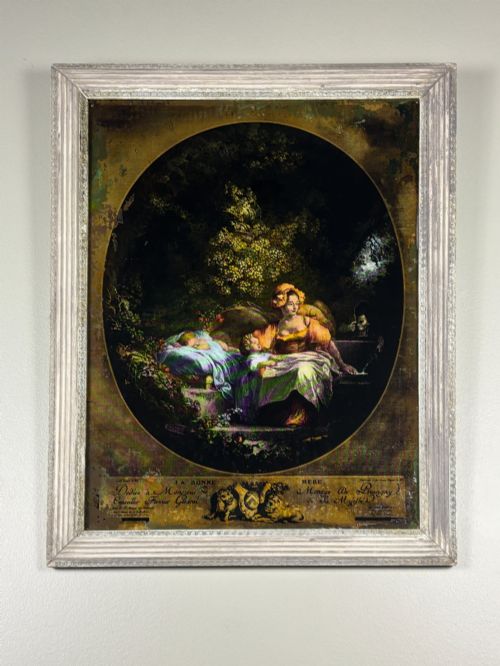
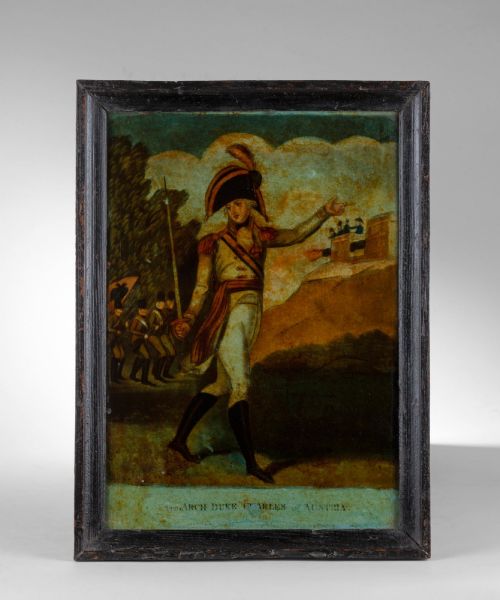
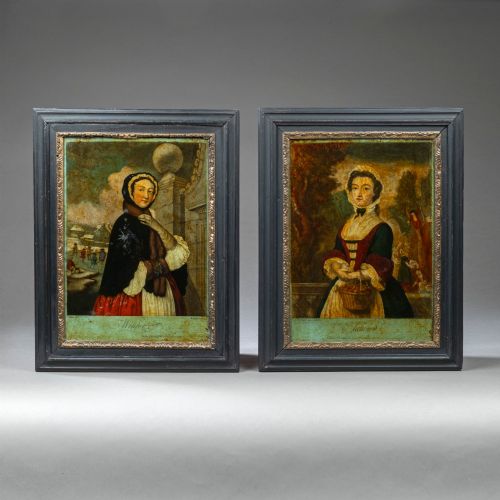
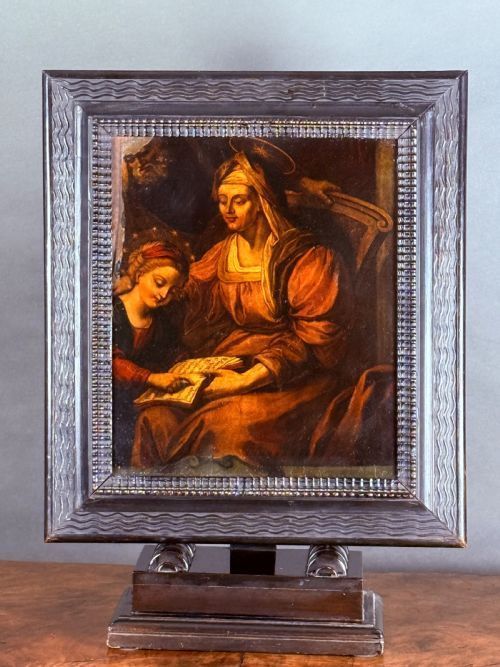
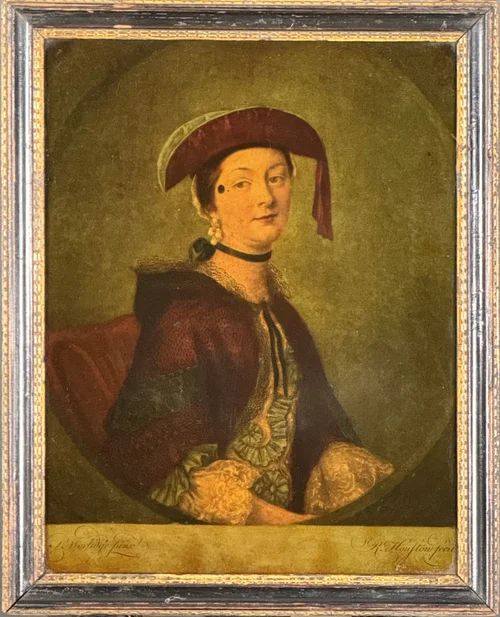
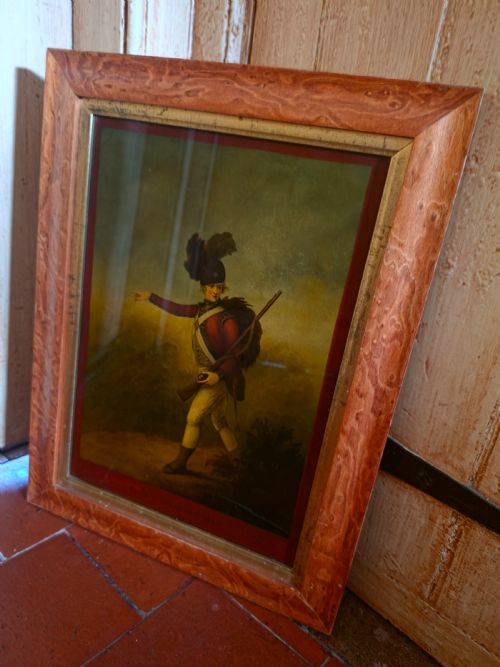
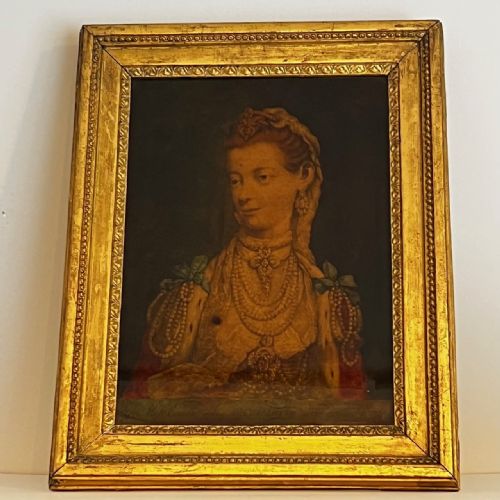
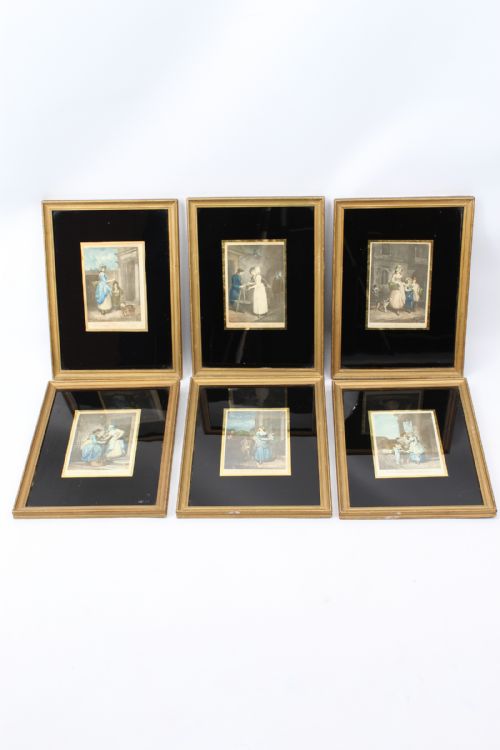
Georgian glass artwork brings together delicate reverse-painted mezzotints and prints mounted in period wood and gilt frames.
Georgian Glass Artwork
Georgian glass artwork centres on reverse glass paintings and mezzotints created across the eighteenth and nineteenth centuries.
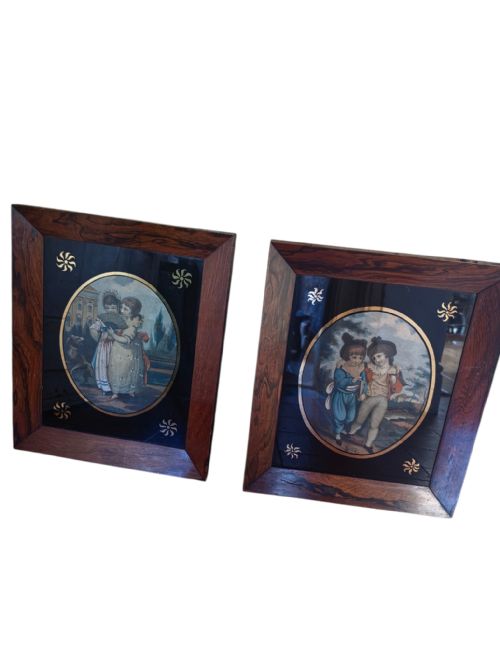
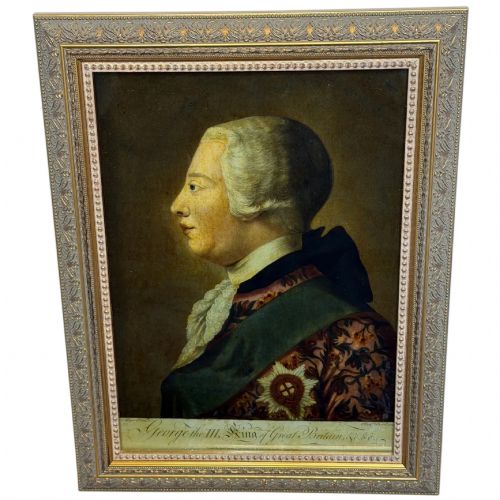
Buyers most frequently encounter paired seasonal prints, regal portraits, and religious or domestic scenes housed behind protective glass plates.
The material record includes framed prints, mirrors with integrated glass panels, and wall art spanning the Georgian and Regency periods.
Materials and Technique
Makers applied oil paint, pigment, and ink directly onto the reverse side of glass sheets, building images from the foreground details back to the background.
Prints and mezzotints were transferred and fixed onto glass before being hand-coloured with pigments and oils.
Finished works found houses in rosewood frames, maple-framed sections, and ornate oval giltwood surrounds.
Georgian Glass Artwork Retail Price Guide 2026
Typical asking prices for georgian glass artwork among the pieces listed under this phrase on Sellingantiques today, from the lower quarter to the upper quarter. They describe what is for sale here now, not the wider market.
Listings feature works spanning the Georgian, Regency, and Victorian eras, utilising materials such as reverse-painted glass, maple, rosewood, and oil pigment.
Quality and Execution
The distinction between ordinary and exceptional pieces lies in the precision of the reverse brushwork and the preservation of the delicate pigment layers beneath the glass.
Early eighteenth-century mezzotints display a fineness of line and depth of tone that distinguishes them from later derivative works.
Original frames - particularly rosewood, maple, and giltwood housings that protect the fragile edges of the glass - contribute significantly to the integrity of the piece.
Charles Spooner·Richard Purcell·Robert Sayer·W Bishop·Henry Corbould
The Georgian Glass Artwork Glossary
- Reverse glass painting
- A technique where an image is painted directly onto the back of a glass panel so that it is viewed correctly from the front. This method protects the pigment from dust and environmental wear.
- Mezzotint
- A printmaking process of the intaglio family where tones are created by roughening the metal plate with thousands of tiny dots. It produces rich dark areas and subtle gradations of light.
- Giltwood
- Wood carved and coated with gold leaf or gold paint. It frequently forms the ornate frames surrounding eighteenth-century portraits.
- Regency
- A British stylistic period spanning the early nineteenth century defined by neoclassical influences. Pieces from this era often feature clean lines alongside classical motifs.
Georgian Glass Artwork: Frequently Asked Questions
Are these works original paintings?
Many are reverse-painted mezzotints or engravings where printed lines were transferred to glass and hand-coloured with pigments. Some examples are entirely hand-painted on glass.
Close inspection reveals whether the outlines are printed ink or brush-drawn pigment. Both methods were common in the eighteenth and nineteenth centuries.
Why are they painted in reverse?
Painting on the back of the glass protects the delicate paint layer from atmospheric dirt and physical damage. It also imparts a glossy sheen to the surface when viewed from the front.
This technique requires the artist to paint foreground details first and background elements last. It demands careful planning since mistakes cannot easily be corrected once applied.
How do I date a glass piece?
Dating relies on the framing materials, the style of dress shown in the portrait, and the printing techniques used. Early pieces often feature dark wood frames and hand-written inscriptions.
Examining the reverse side can reveal old paper backings, adhesives, and glass characteristics typical of eighteenth-century manufacture. Comparing the subject matter to known historical prints helps narrow the period.