

Traditional Glass Light
These traditional glass light pieces combine brass and crystal to illuminate domestic spaces with period elegance.
Traditional Glass Light
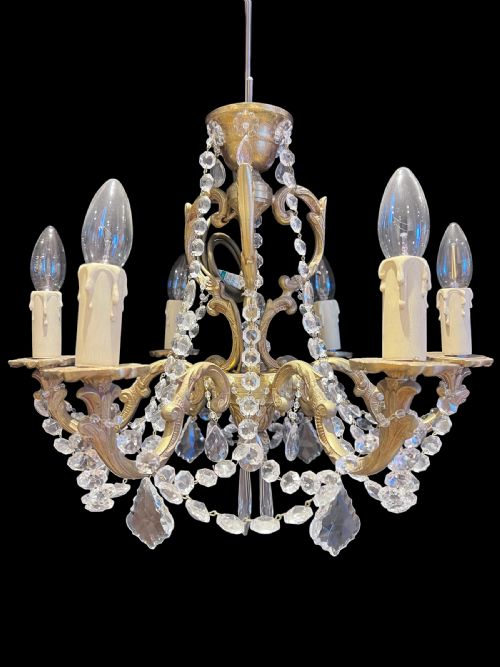
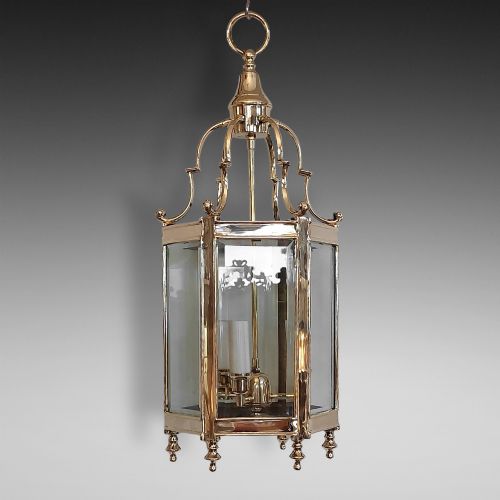
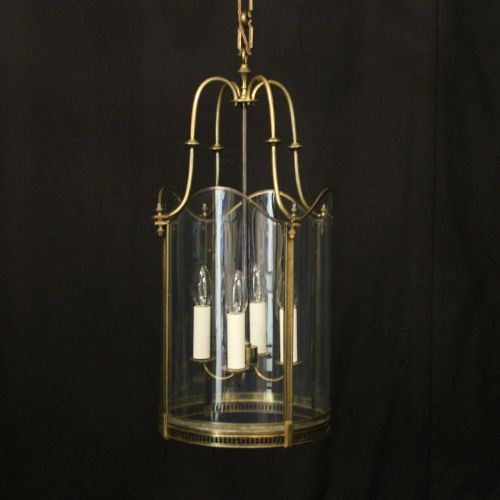
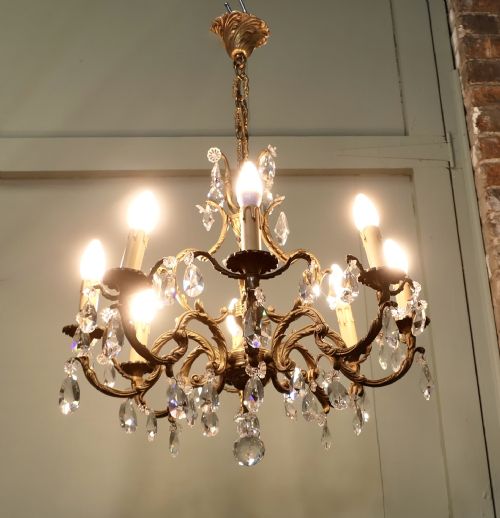
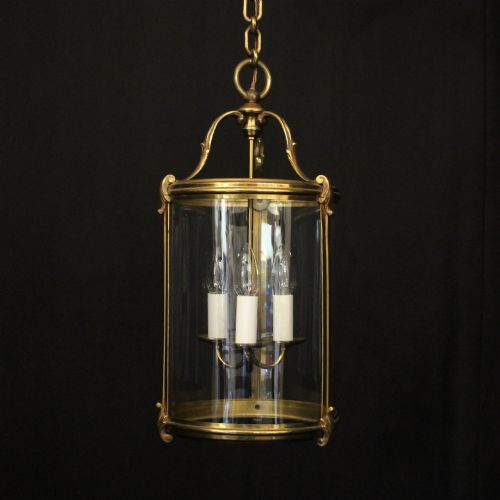
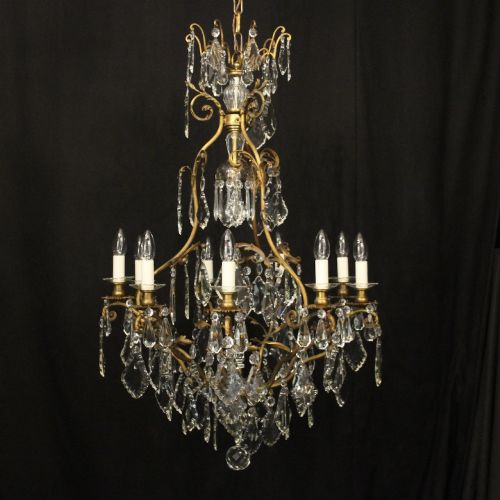
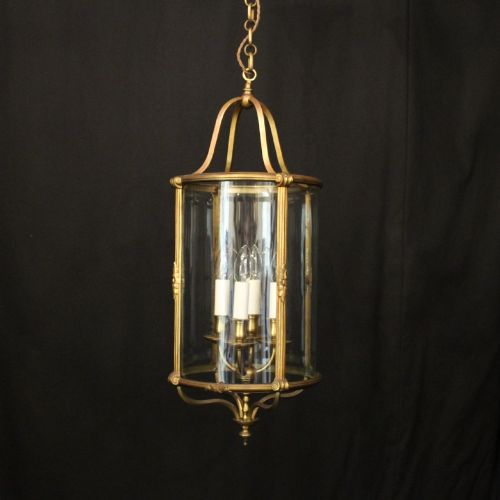
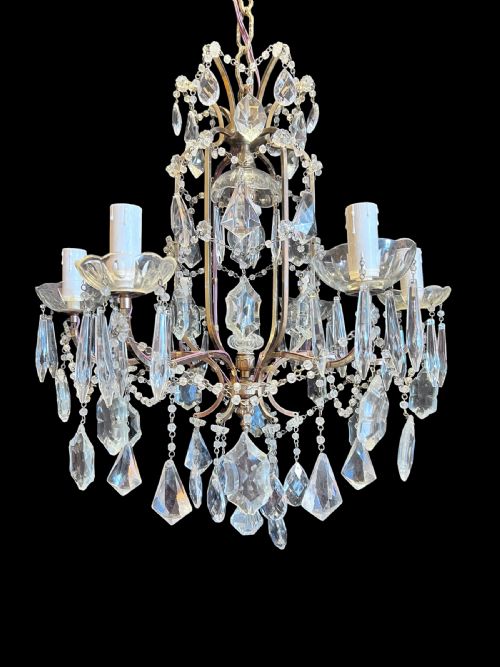
A traditional glass light encompasses chandeliers, hall lanterns, ceiling lights, and table lamps originating from periods spanning the nineteenth century through the nineteen-thirties. Buyers examining this category encounter numerous French and English designs, often formed as multi-light chandeliers hung with crystal lustres or brass-framed hall lanterns.
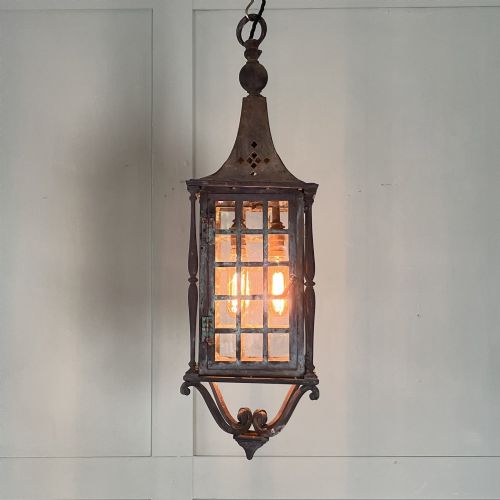
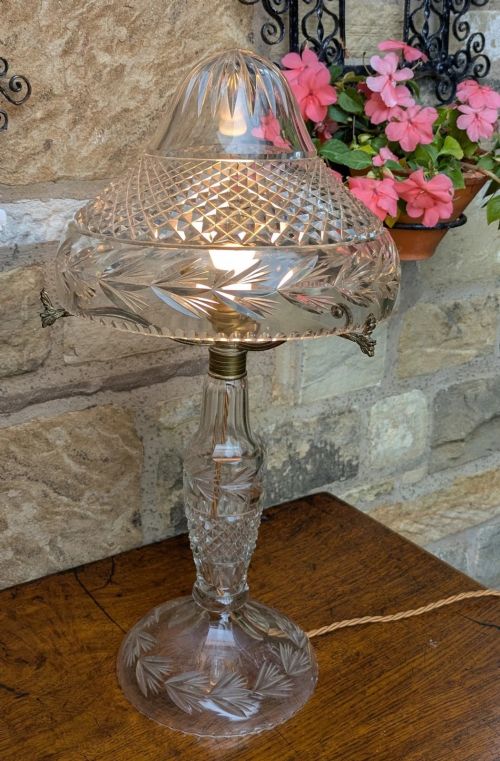
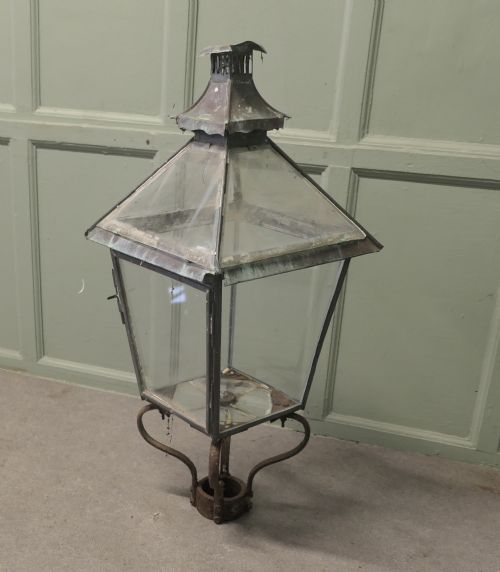
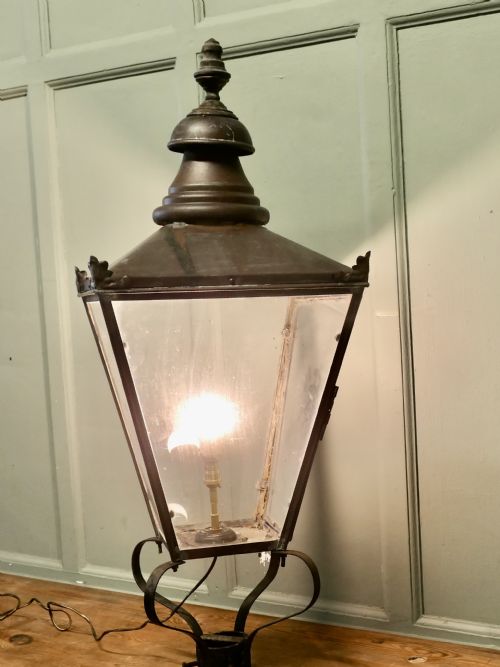
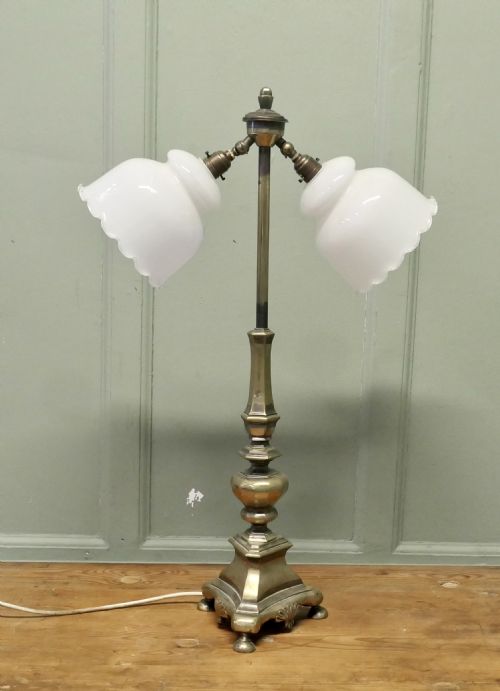
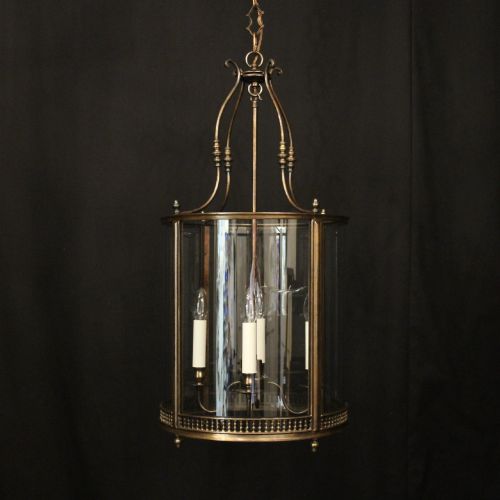
The selections on this page heavily feature French gilded bronze and brass fixtures alongside English Edwardian plafonniers and copper street lanterns. Domestic lighting forms predominate, ranging from table and reading lamps to large hanging lanterns equipped with hand-blown bulls-eye or moonstone glass.
Styles lean toward French Empire, Louis Revival, and Neo-Classical aesthetics, frequently incorporating crystal waterfalls, tents, and cut glass components. These fittings serve both practical illumination and decorative roles within hallways, reception rooms, and living spaces.
Materials and construction methods
Construction relies heavily upon cast and spun brass, gilded bronze, and copper frames that house or suspend panels of glass, crystal, and cut crystal. Metal components are frequently gilded, silver-gilded, or left in their natural brass finish.
Glass elements are formed through techniques including hand-blowing, moulding, and precision cutting to create lustres, acorns, convex panels, and bulls-eye lenses. Individual glass and crystal drops are typically wired or pinned directly to metal armatures.
Some copper street lanterns preserve the evidence of long nights guarding nineteenth-century gate posts before moving indoors.
Factors influencing quality
Distinction across the range rests upon the depth of metal casting, the clarity and cut of the crystal, and the complexity of the frame. Heavier bronze and brass castings paired with hand-cut crystal lustres indicate superior fabrication compared to lighter stamped metal alternatives.
The intricacy of the design further separates standard examples from exceptional pieces, particularly where frames feature detailed gilding, complex convex glass panels, or extensive multi-tiered crystal waterfalls and tent structures.
The Traditional Glass Light Glossary
- Chandelier
- A branched ceiling-mounted lighting fixture designed to hold multiple bulbs or candles. These pieces often feature glass or crystal drops to refract light.
- Plafonnier
- A bowl-shaped ceiling light mounted flush or semi-flush against the ceiling surface. This form frequently utilises frosted, cut, or moulded glass.
- Hall Lantern
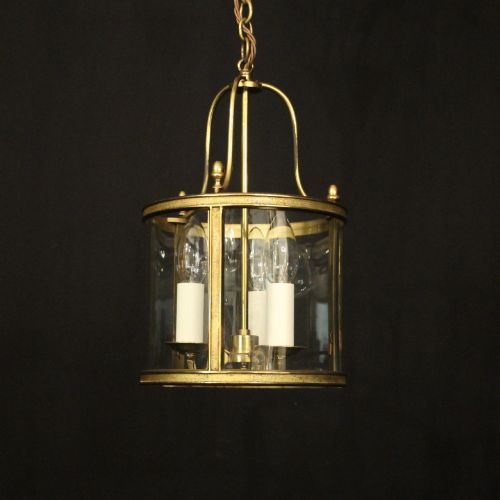
- An enclosed hanging light fixture suspended by a chain or rod, traditionally placed in entrance halls. Frames are typically constructed from brass or copper with glass panels.
- Lustre
- A cut glass or crystal pendant suspended from a lighting fixture to enhance light reflection. Lustres vary in shape from simple drops to elaborate spears and acorns.
- Tent and Waterfall
- A chandelier configuration featuring an upper triangular arrangement of crystal strands above a cascading fall of further crystal drops. This style derives largely from French Empire designs.
Traditional Glass Light: Frequently Asked Questions
Where should a hall lantern be hung?
A hall lantern is traditionally placed in entranceways, corridors, or high-ceilinged vestibules where vertical hanging space allows the fixture to suspend freely.
These pieces provide directed downward illumination while serving as a decorative focal point upon entering a property.
How do I identify an Edwardian light?
Edwardian lighting typically dates from the early twentieth century, displaying cleaner lines and lighter brass framing compared to heavier Victorian counterparts.
Look for specific forms like cut glass plafonniers or hexagonal brass lanterns that reflect the decorative tastes of the Edwardian period.
Are these lights compatible with modern wiring?
Most antique lighting fixtures encountered on the market have been adapted or electrified for contemporary electrical systems.
Buyers should inspect the internal wiring of each piece upon arrival to ensure it meets current domestic safety standards.