

Traditional Glass Ceiling Light
A traditional glass ceiling light brings bright illumination and period character to hallways and reception rooms alike.
Traditional Glass Ceiling Light
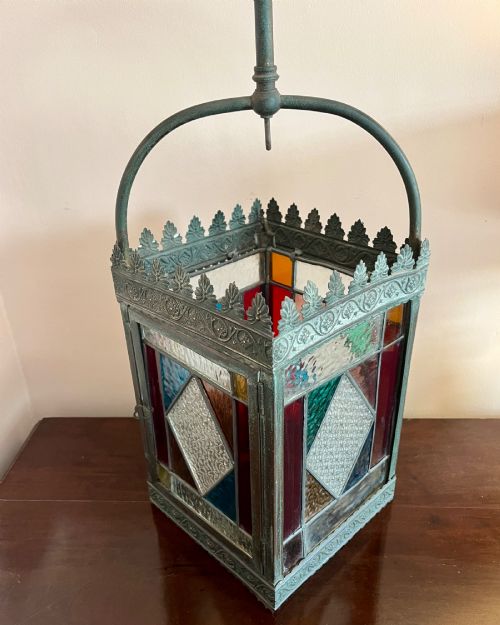
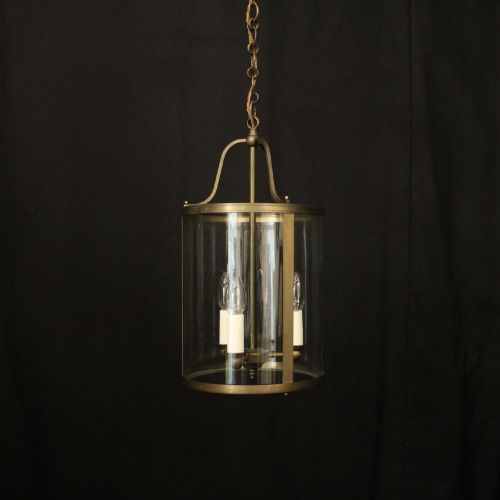
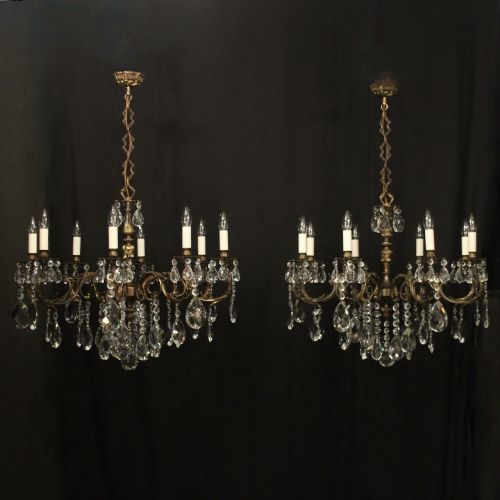
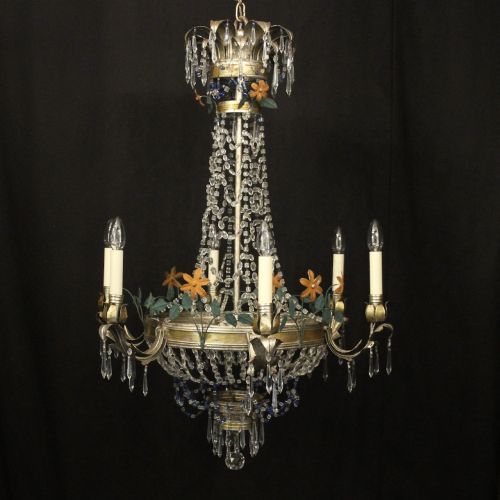
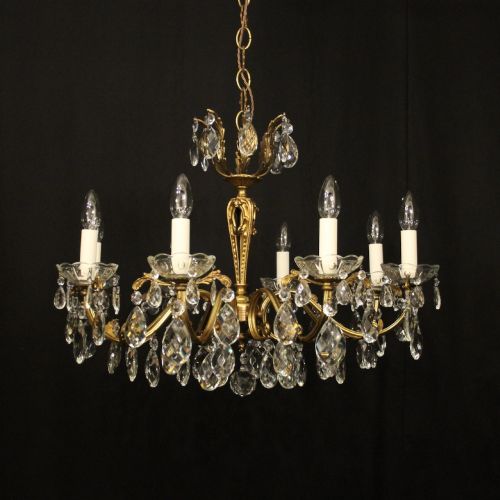
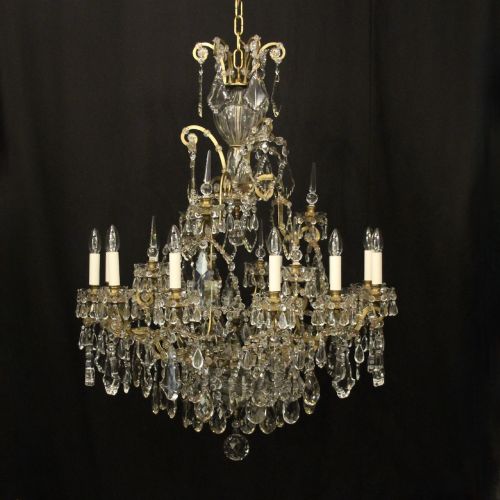
When you search for a traditional glass ceiling light, you encounter a variety of hanging fixtures designed to illuminate interiors from above. The selection spans chandeliers, hall lanterns, and pendant lights suited to different ceiling heights and room proportions.
You are most likely to meet pieces originating from the 19th century through the 1930s, with a strong representation of Edwardian and Victorian examples alongside 1920s creations. French and English designs dominate, ranging from simple brass lanterns to elaborate crystal chandeliers.
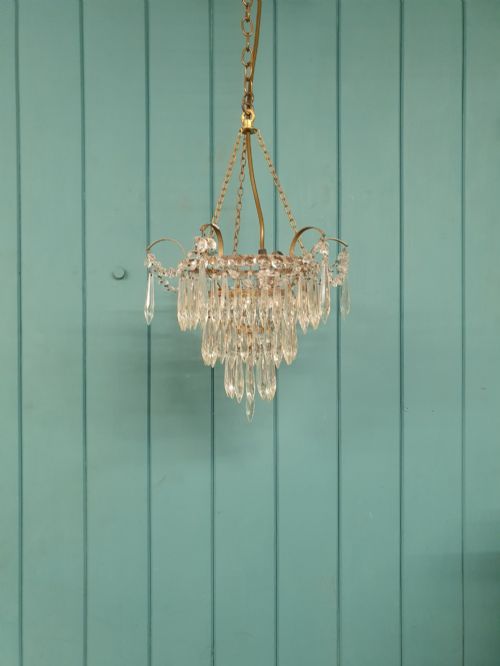
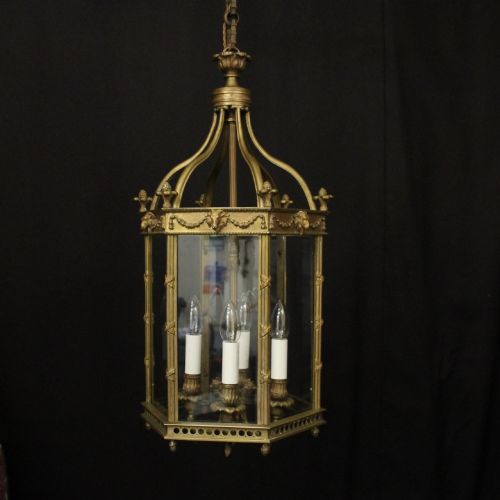
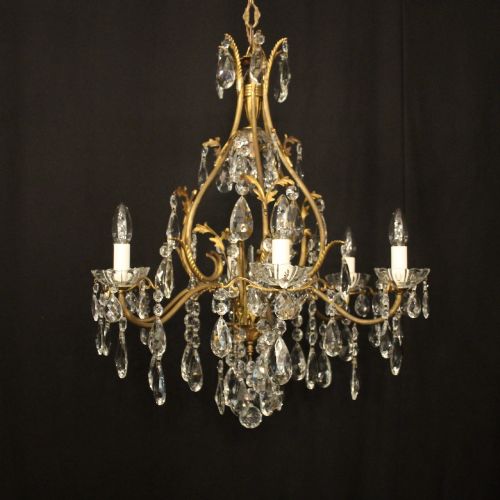
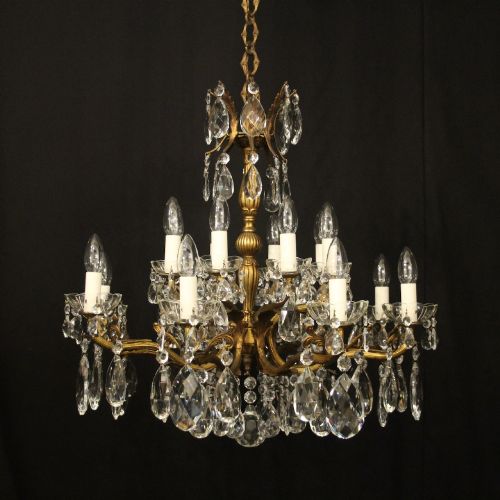
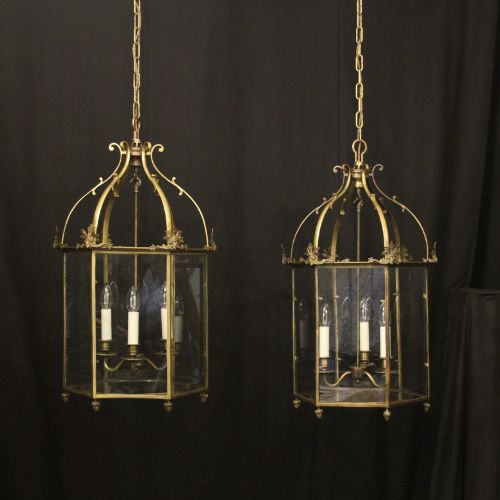
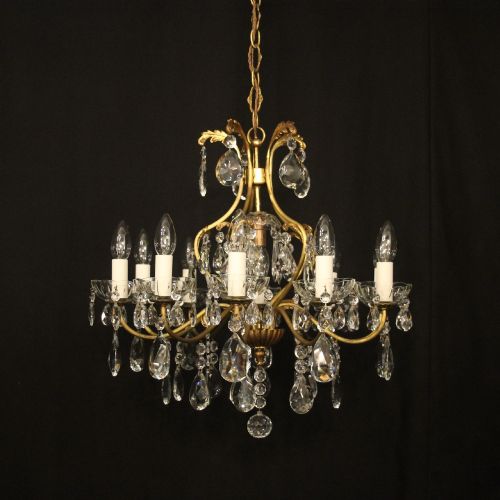
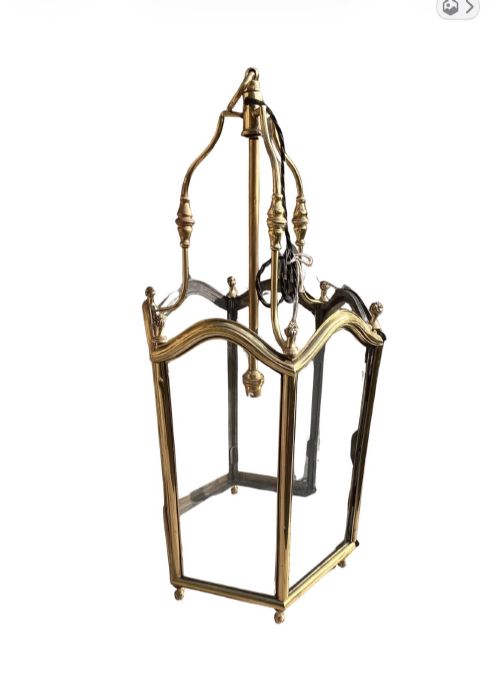
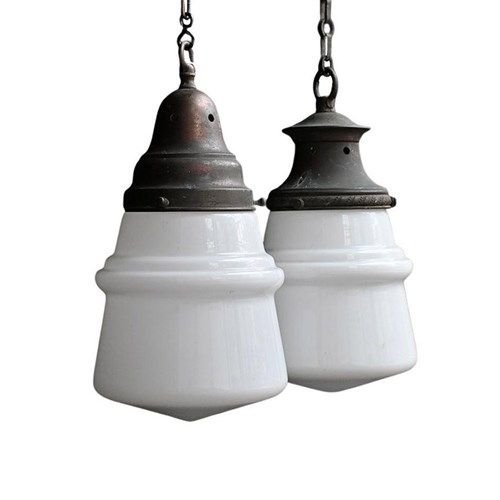
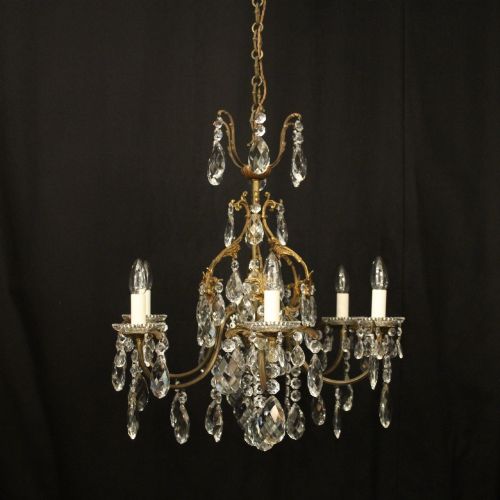
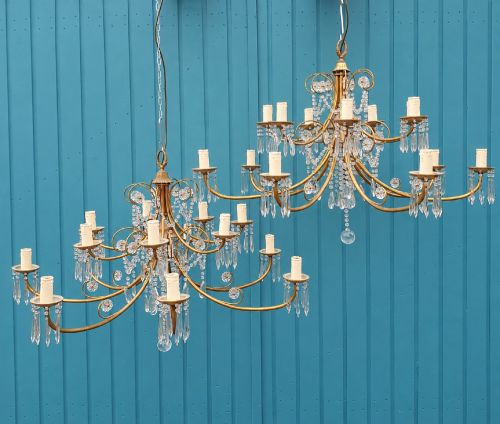
The forms vary from single-light opaline pendants and hexagonal hall lanterns to multi-armed chandeliers hung with crystal lustres. These fixtures serve both functional lighting needs and decorative roles within period interiors.
How they were made
Metal frames form the structural backbone of these fixtures, utilising brass, gilded metal, and gilt bronze. Workshops shaped and cast these metals to support the weight of the glass components.
Glass elements include cut crystal, opaline glass, and moulded panels, often assembled with pins or wire into tents, waterfalls, or enclosing lanterns. Gilded finishes applied to the metalwork enhance the reflective quality of the surrounding light.
Traditional Glass Ceiling Light Retail Price Guide 2026
Typical asking prices for traditional glass ceiling light among the pieces listed under this phrase on Sellingantiques today, from the lower quarter to the upper quarter. They describe what is for sale here now, not the wider market.
Listings feature brass, gilded bronze, and crystal materials shaped into chandeliers, pendant lights, and hall lanterns dating from the Victorian era to the 1930s.
What varies in quality
The refinement of the metal casting and the depth of the gilding set higher-grade fixtures apart from simpler utilitarian pieces. Crisp detailing in the bronze or brass framework indicates superior craftsmanship.
The clarity and cut of the crystal or glass elements determine the brilliance of the refraction. Heavier cut glass and intricate crystal lustres elevate the visual weight and overall presence of the fixture.
Faraday and Son
The Traditional Glass Ceiling Light Glossary
- Chandelier
- A branched ceiling-mounted lighting fixture designed to hold multiple bulbs or candles. These pieces often feature glass drops and crystal lustres.
- Hall lantern
- An enclosed hanging light traditionally placed in entranceways and corridors. They frequently combine brass frames with glass panels.
- Plafonnier
- A shallow bowl-shaped ceiling light mounted close to the surface. Edwardian examples often utilise cut glass or opaline materials.
- Crystal lustre
- A cut glass pendant drop hung from a chandelier to refract light. They catch and disperse illumination across the room.
- Tent and waterfall
- A chandelier configuration featuring an upper triangular arrangement of glass strings dropping into a wider lower tier. This style creates a cascading effect of crystal.
Traditional Glass Ceiling Light: Frequently Asked Questions
Where should I hang a hall lantern?
Hall lanterns suit entrance halls, corridors, and high-ceilinged stairwells where vertical space allows them to hang freely.
Ensure there is adequate clearance beneath the fixture for people to walk underneath comfortably.
How do I date an antique glass ceiling light?
Dating relies on examining the metal casting techniques, screw threads, wiring methods, and prevailing architectural styles.
Victorian and Edwardian pieces often display heavier brass construction, while 1920s examples frequently incorporate elaborate crystal tent formations.
Are these lights suitable for low ceilings?
Plafliers and flush-mounted pendant lights sit close to the ceiling and work well in rooms with restricted vertical height.
Larger multi-arm chandeliers require higher ceilings to maintain proper proportion and safe clearance.
How do I clean crystal chandeliers?
Cleaning involves wiping individual glass drops and crystal lustres with a specialised glass cleaner and a soft cloth.
Support the glass components gently from underneath while cleaning to avoid straining the holding wire.