





Traditional French Side Chairs
Traditional French side chairs bring warmth and distinct regional character to a room, offering practical seating shaped by centuries of European craftsmanship.
Traditional French Side Chairs
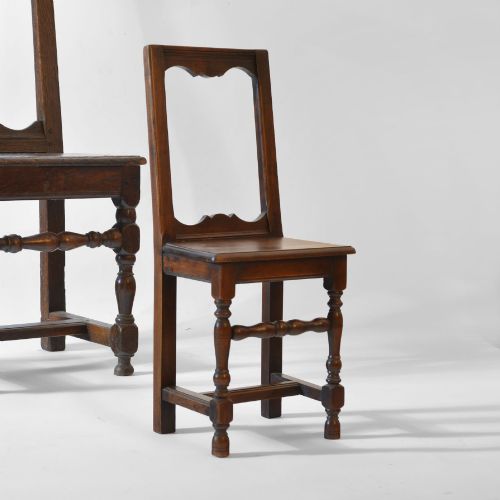
Traditional French side chairs encompass seating pieces originating from diverse regional aesthetics, spanning rustic country styles through to more formal 19th-century variants. When you search for traditional French side chairs, you encounter practical dining seats and lighter occasional forms rooted in provincial workshops.
The selection on this page relies heavily on 19th-century interpretations, featuring nineteenth-century builds alongside specific period milestones such as 1880, 1900, and Victorian eras. These encompass country side chairs, ladder back designs, and kitchen dining sets designed for everyday utility.
Makers leaned towards provincial charm, producing sets of chairs in groups ranging from pairs up to sets of twelve. The forms bridge formal salon seating and robust vernacular kitchen furniture.
How they were made
The construction of these chairs relies on solid timbers recorded in the evidence, predominantly oak, walnut, mahogany, fruitwood, and general wood structures. Artisans shaped these hard and softwoods using traditional joinery, often leaving visible grain and carved detailing on backs and legs.
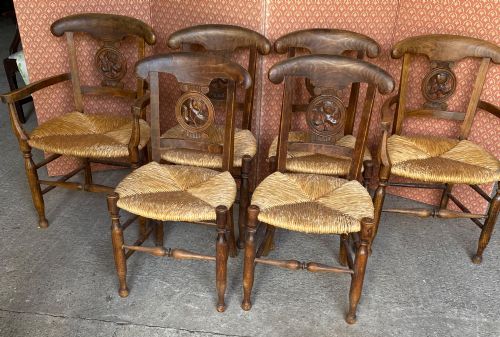
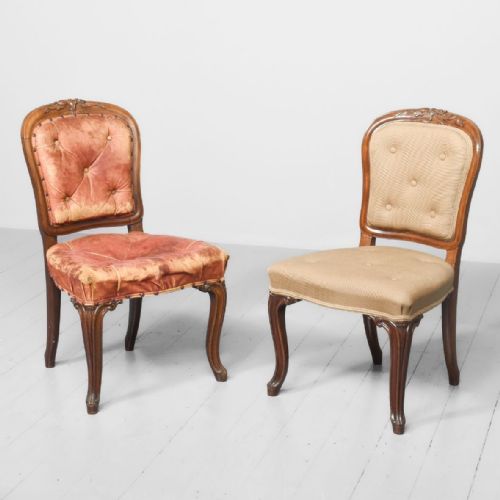
Many examples incorporate organic seating materials like rush alongside upholstered components utilising textile and upholstery fabric. Brass fittings occasionally appear as structural or decorative accents, complementing the natural wooden frames.
Traditional French Side Chairs Retail Price Guide 2026
Typical asking prices for traditional french side chairs among the pieces listed under this phrase on Sellingantiques today, from the lower quarter to the upper quarter. They describe what is for sale here now, not the wider market.
Some ladder back chairs come in unexpected groups of twelve, suggesting past village feasts required very long tables indeed.
What varies in quality
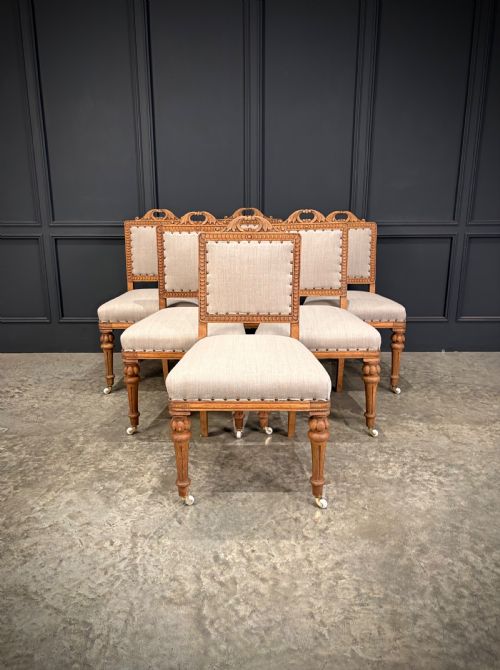
Quality in these chairs rests upon the depth of hand-carving and the integrity of the timber selection, distinguishing simple utilitarian items from finer salon pieces. Bleached oak and figured fruitwood demonstrate a deliberate aesthetic refinement beyond basic kitchen furniture.
The structural cohesion of larger sets, such as matching groups of six or twelve, dictates desirability. Uniformity across a multi-chair set maintains historical integrity better than assembled gatherings of mismatched individual pieces.
The Traditional French Side Chairs Glossary
- Ladder back
- A chair back featuring multiple horizontal wooden slats positioned between the upright posts. This traditional construction method provides robust support.
- Fruitwood
- Timber sourced from fruit-bearing trees such as cherry or pear, prized for its warm tone and fine grain. French provincial makers utilised it extensively.
- Rush
- A pliable marsh plant woven tightly to create traditional flat chair seats. It offers a durable, textured surface common in country seating.
Traditional French Side Chairs: Frequently Asked Questions
What defines a traditional French side chair?
These pieces originate from French provincial and country traditions, prioritising functional wooden frames and vernacular designs.
They often feature ladder backs, rush seating, or carved wooden details typical of nineteenth-century production.
How do I care for antique wooden chairs?
Keep wooden frames away from direct heat sources and dramatic humidity shifts to prevent timber splitting.
Apply suitable wax polish occasionally to nourish the grain without building up heavy chemical residues.
Are these chairs suitable for daily dining?
Many nineteenth-century examples were built specifically for kitchens and dining rooms, making them inherently practical.
Check that the joints remain stable and the rush or upholstered seats are secure before heavy daily use.
How are different 19th-century styles distinguished?
Distinctions rely on the presence of carved ornamentation, specific timber choices, and regional furniture-making traditions.
Rustic country pieces display simpler turnings, whereas Napoleon III or Victorian variants show heavier formal styling.