




Traditional Framed Wall Artwork
Traditional framed wall artwork brings together centuries of painted oil canvases, watercolours and prints housed within period wood and gilt surrounds.
Traditional Framed Wall Artwork
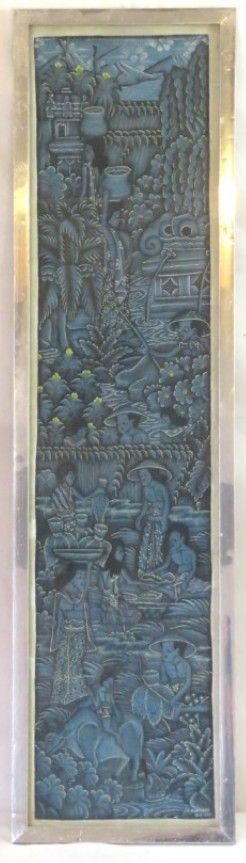
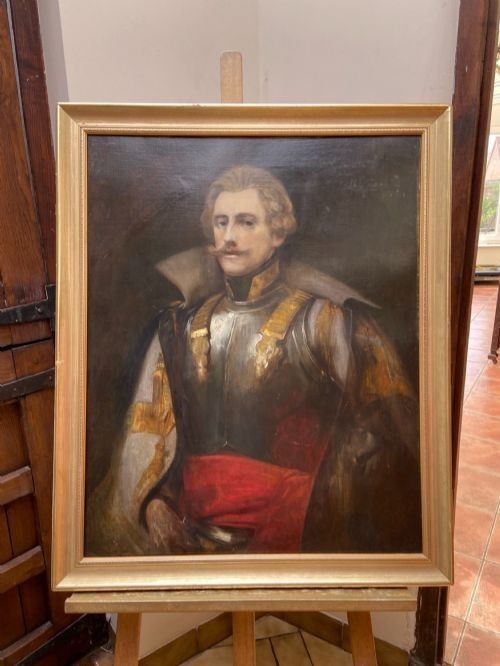
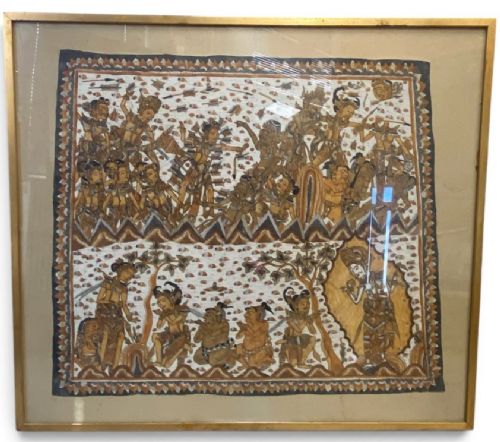
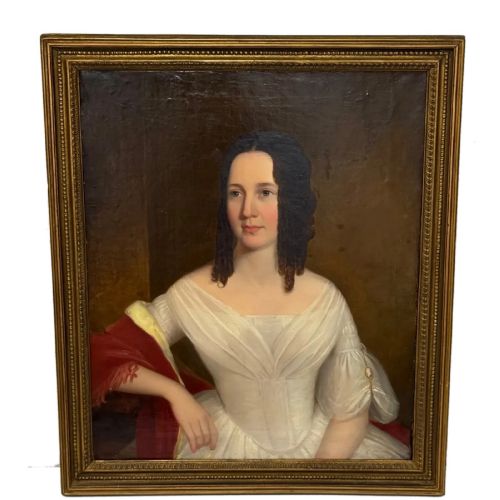
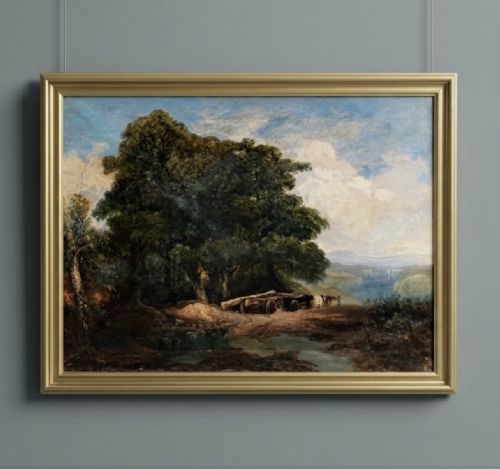
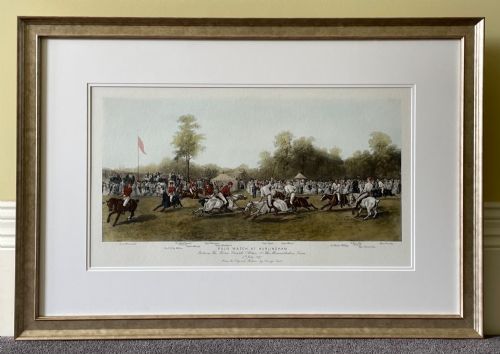
Traditional framed wall artwork comprises framed oil paintings, watercolours, lithographs, woodblock prints and silk paintings created across the eighteenth, nineteenth and twentieth centuries.
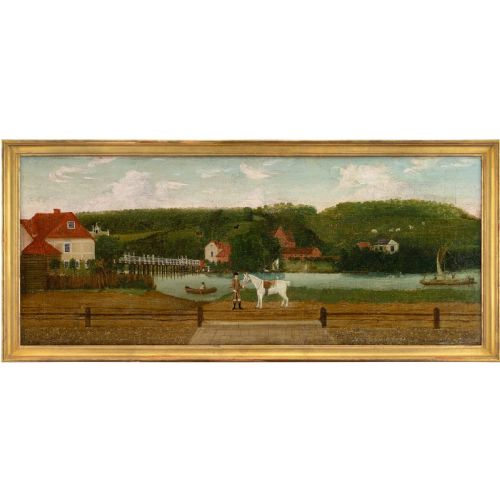
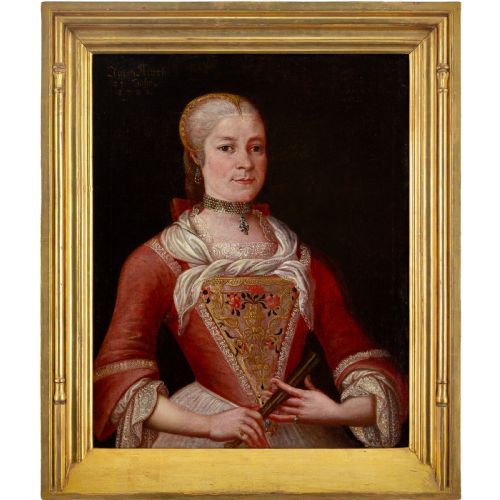
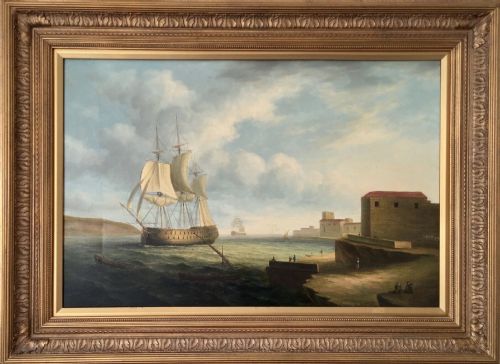
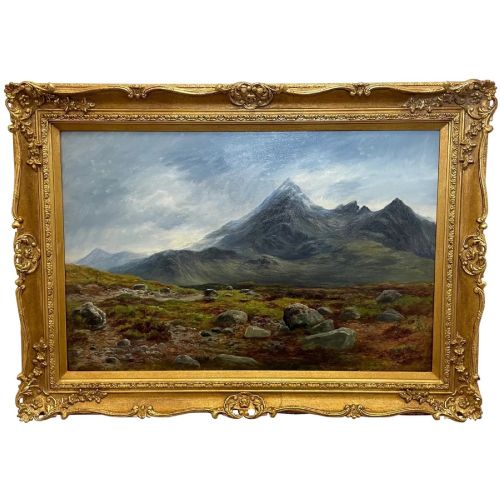
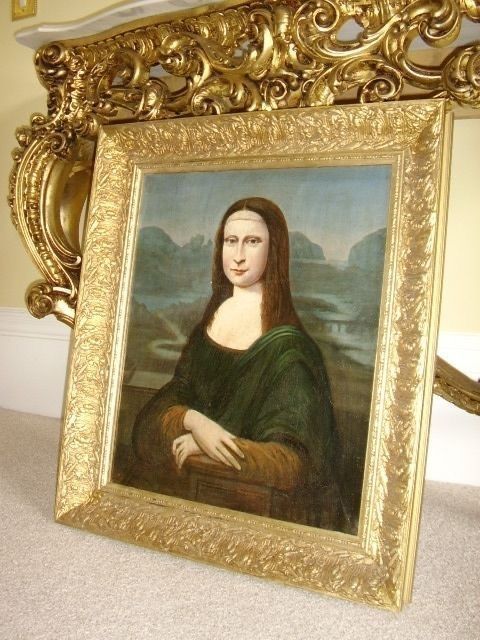
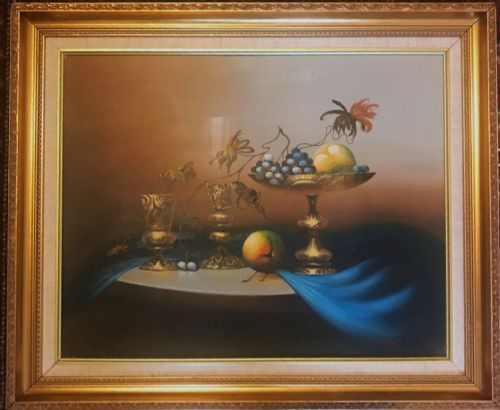
The pieces encompass diverse subjects including landscapes, portraits, still lifes of fruit and flowers, and marine scenes rendered in Victorian, Edwardian and Classical styles.
Buyers seeking traditional framed wall artwork most frequently encounter nineteenth-century oil paintings on canvas or board, alongside Edwardian watercolours and early twentieth-century decorative prints.
How they were made
Makers applied oil paint to stretched canvas, wooden panels and paper boards, often employing rich layers of pigment to build atmospheric landscapes and detailed portraits.
Framing utilised substantial wood such as oak, frequently embellished with gilt and moulded gesso decoration to accent the imagery within.
Several pieces capture quiet moments of domestic animals, including portraits of diligent shire horses ploughing farmers' fields.
What varies in quality
Quality rests in the handling of the medium, distinguishing confident brushwork and accurate anatomical or perspective rendering from stiffer, derivative compositions.
The integrity of the original frame and the harmony between mount, glass and artwork influence the overall standard of the surviving piece.
Richard Sebastian Bond·William Beattie-Brown·Jozsef Molnar·William H Myers·Percy Lancaster·George Willison·James Watson·John Horace Hooper·William McAlpine·Reginald Arthur Borstel·A Marie Parsons·George Houston·William Banks Fortescue·Thomas Barker of Bath
The Traditional Framed Wall Artwork Glossary
- Oil on canvas
- Pigment suspended in drying oil applied to a woven fabric support. This technique allows for rich blending of colour and enduring texture.
- Gilt wood
- Timber treated with a thin layer of gold leaf or metallic powder. It provides a luminous border that catches interior light.
- Lithograph
- A print produced from a flat stone or metal plate treated to retain ink in designated areas. It enabled the reproduction of detailed pictorial works.
- Woodblock print
- An image carved into a wooden block, inked, and transferred to paper. This traditional method produces sharp outlines and flat areas of colour.
- Mezzotint
- A printmaking process where the copper plate is roughened to achieve rich tonal gradations. It was widely utilised for reproducing formal portraits.
Traditional Framed Wall Artwork: Frequently Asked Questions
How do I hang a heavy oil painting safely?
Heavy framed oil paintings require robust picture hooks secured directly into wall studs or masonry using appropriate wall anchors. Using two fixing points distributes the weight evenly and prevents the frame from tilting.
Ensure the hanging wire or brackets affixed to the wooden frame are checked for stability before mounting the artwork at eye level.
How should I care for antique gilt frames?
Gilt frames require gentle dusting with a soft, dry brush to remove particles without disturbing the delicate gold leaf or gesso surface. Avoid using liquid cleaners or abrasive cloths entirely.
Keep framed artwork away from direct sunlight and fluctuating humidity to prevent the underlying wood from warping and the gesso from cracking.
How can I tell the period of a framed artwork?
The period is often indicated by the construction of the wooden frame, the backing materials, and the style of the signature or inscription. Victorian and Edwardian framing techniques differ noticeably from eighteenth-century methods.
Subject matter, clothing styles in portraits, and artist records also help narrow down the date of creation.