



Traditional Framed Wall Art
Traditional framed wall art brings historical portraiture, landscape painting and woodblock printing into domestic spaces through enduring forms.
Traditional Framed Wall Art
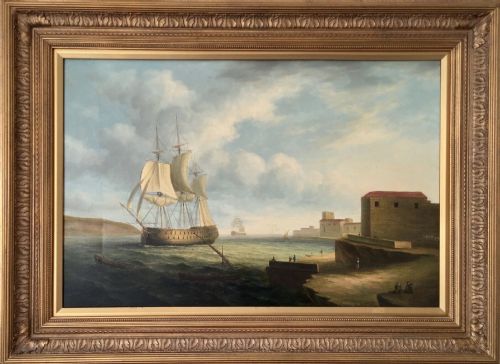
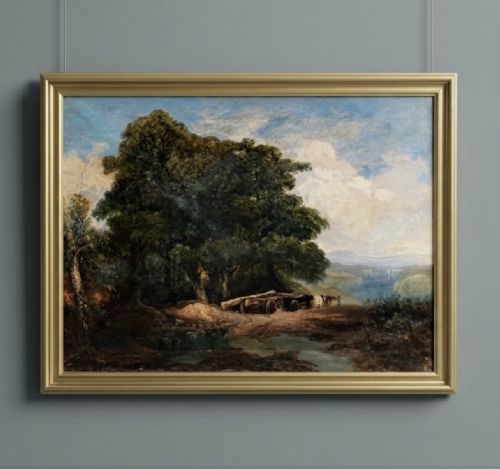
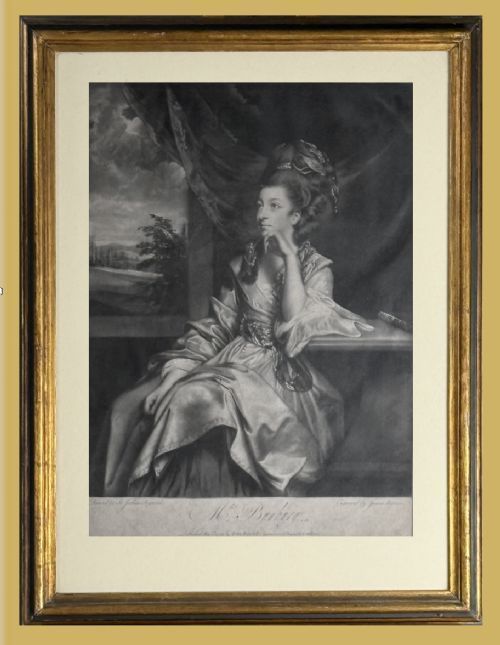
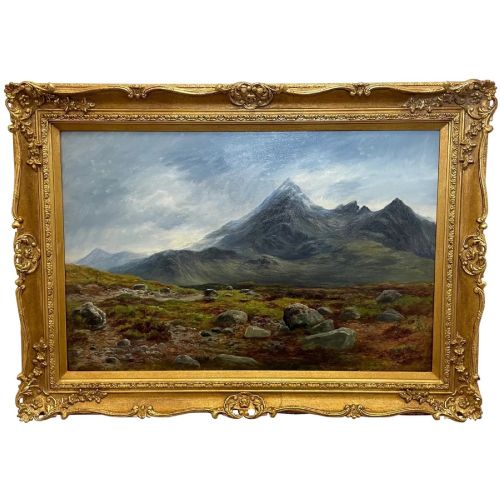
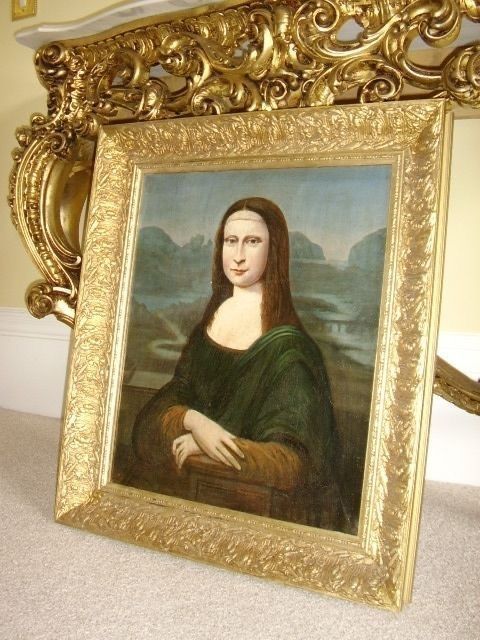
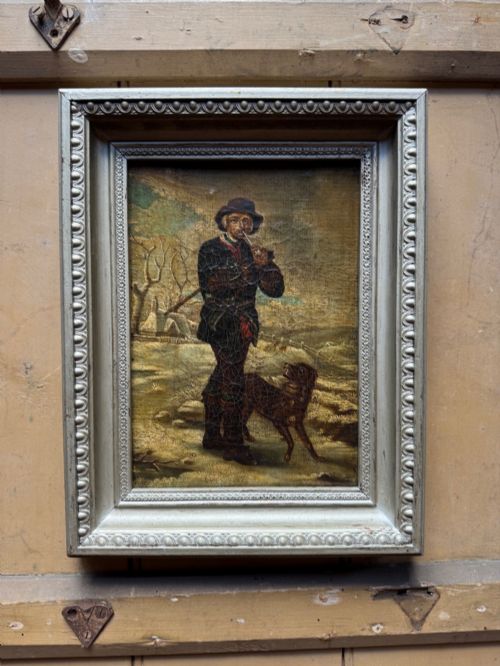
Traditional framed wall art encompasses oil paintings, watercolours, mezzotints, lithographs and woodblock prints spanning several centuries. Buyers seek these pieces to anchor a room with established historical subjects, ranging from portraits and still lifes to expansive marine and country landscapes.
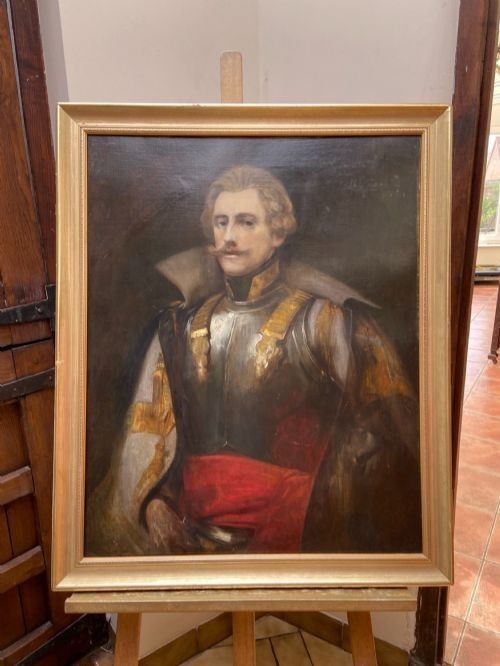
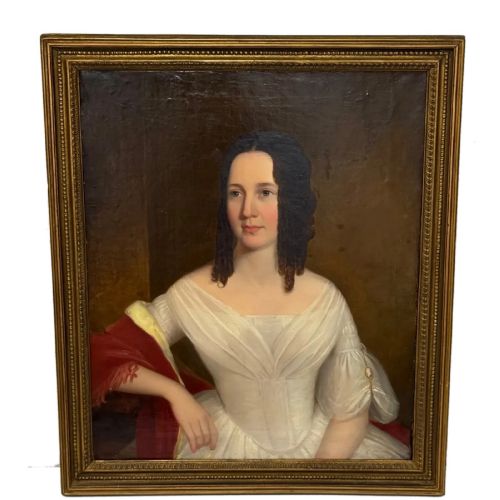
The versions most commonly met on this page include nineteenth-century British landscapes and oil portraits, alongside eighteenth-century mezzotints and twentieth-century still life studies. Works frequently arrive set within period wood, oak or gilt gesso frames that complement the visual weight of the canvas or paper.
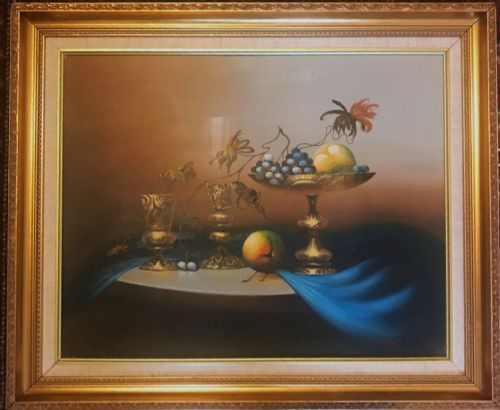
Origins stretch across British, European and Asian workshops, including specific regional schools such as the Norwich School or Dutch floral traditions. Pieces often depict recognizable historical attire, pastoral scenes, or detailed botanical arrangements executed with classical realism.
Materials and construction methods
Makers utilised oil paint applied to canvas, wood panels and boards, alongside watercolours on paper and traditional printing techniques like mezzotint and woodblock. Pigments were worked with brushes to build layered textures, depth in landscapes, and fine details in portraiture.
Surrounding enclosures rely heavily on solid wood, such as oak, finished with applied gilt and gold leaf gesso ornamentation. These frames were constructed to protect the delicate media within while providing substantial architectural presence on the wall.
Traditional Framed Wall Art Retail Price Guide 2026
Typical asking prices for traditional framed wall art among the pieces listed under this phrase on Sellingantiques today, from the lower quarter to the upper quarter. They describe what is for sale here now, not the wider market.
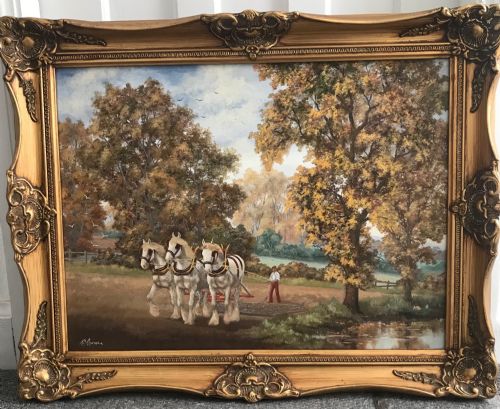
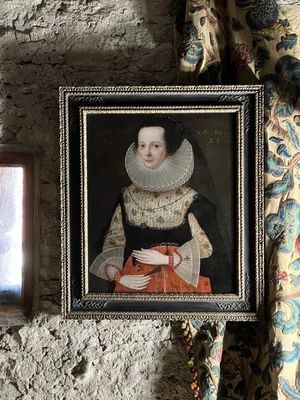
A cheerful shire horse pauses from ploughing its farmer's field, captured in an oil painting alongside portraits of young boys and noblewomen.
Distinctions in quality and execution
The upper tier of works demonstrates superior brushwork control, anatomical accuracy in portraits, and atmospheric depth in landscape or marine scenes. Master execution shows confident handling of light and shadow, particularly in oil paintings and detailed botanical still lifes.
Framing standards also indicate grade, with original gilt gesso frames showing intricate moulding work rather than simpler later replacements. The relationship between the artwork and its period housing contributes to the overall integrity of the piece.
Richard Sebastian Bond·James Watson·Sir Joshua Reynolds·William Beattie-Brown·George Willison·Percy Lancaster·John Horace Hooper·Reginald Arthur Borstel·George Houston·William Banks Fortescue
The Traditional Framed Wall Art Glossary
- Mezzotint
- A printmaking process of the intaglio family where the plate is roughened to achieve rich tonal gradations. It allows for subtle shifts in light and dark, frequently utilised for historical portrait reproductions.
- Gesso
- A plaster-like mixture applied to wood frames before gilding or painting. It provides a smooth base that can be moulded into decorative relief patterns.
- Woodblock print
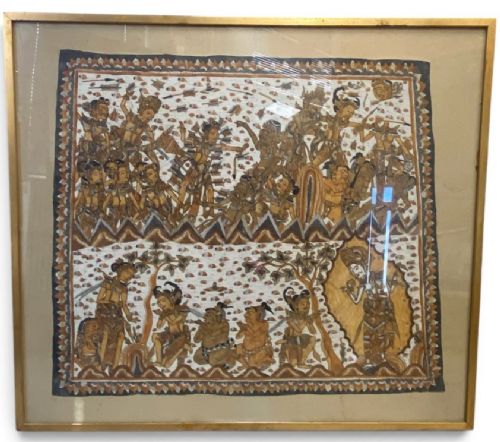
- A technique for printing text, images or patterns used widely in East Asian traditions. Artists carve the image into wood, apply pigment, and press it onto paper.
- Lithograph
- A planographic printing process based on the repulsion of oil and water. It enables the faithful reproduction of detailed artistic compositions on paper sheets.
- Still life
- An artwork depicting mostly inanimate subject matter, typically commonplace objects. Traditional examples focus heavily on arrangements of fruit, flowers, or game.
Traditional Framed Wall Art: Frequently Asked Questions
What periods do these artworks cover?
The pieces span from the seventeenth century through to the mid-twentieth century. They represent stylistic shifts from Dutch Golden Age traditions to Victorian and Edwardian realism.
Specific decades within this range introduce varied printing methods and regional painting schools. Each period reflects distinct aesthetic priorities in subject selection and framing.
How were these pieces displayed historically?
Artworks of this nature were primarily hung in domestic reception rooms, parlours and galleries to project social standing and cultural literacy. Heavy gilt frames ensured the pictures commanded attention against panelled or wallpapered walls.
Many works were commissioned as family portraits or collected as evidence of a grand tour. Their substantial frames protected the canvas from environmental soot and household wear.
How do I care for framed oil paintings?
Oil paintings on canvas require stable indoor humidity and protection from direct sunlight to prevent pigment degradation and canvas warping. Dust should be removed gently from the surface and frame using a soft, dry brush.
Avoid using liquid cleaners or chemical solvents on the paint or gilt surfaces. Professional conservation advice should be sought before attempting any restoration work.
How can I distinguish between an original oil and a print?
Original oil paintings exhibit raised brushstrokes, texture in the pigment, and a visible weave where the canvas meets the edge. Prints and reproductions present a flat surface under magnification without pigment buildup.
Examining the piece closely under raking light reveals the physical application of paint versus the uniform dot or ink patterns of printed media.