



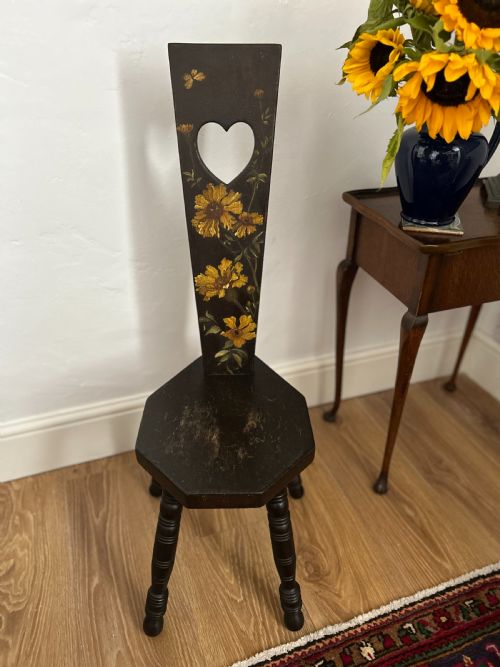


Traditional Folk Art Furniture
Traditional folk art furniture brings regional character and unpretentious domestic utility into a room through hand-painted surfaces and vernacular craftsmanship.
Traditional Folk Art Furniture
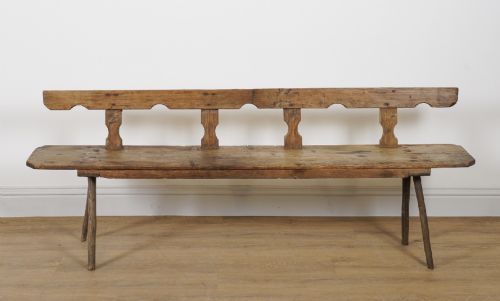
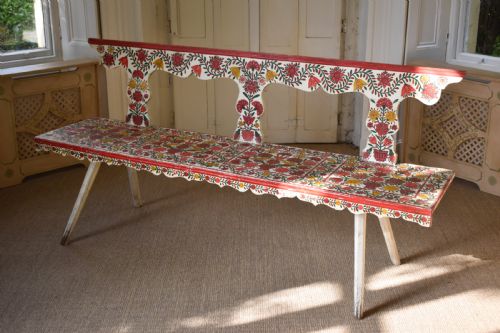
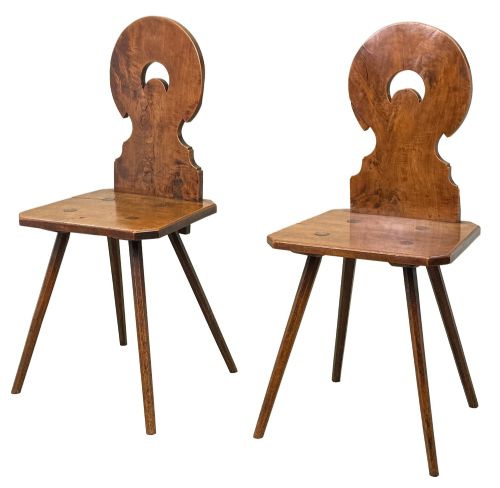
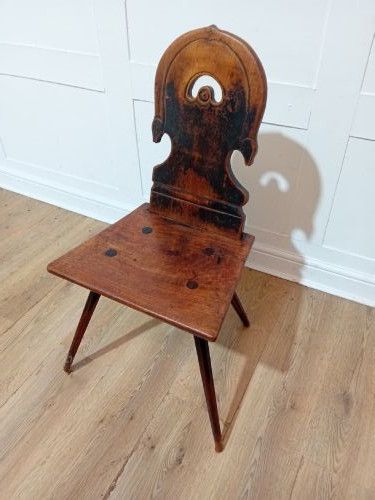
Traditional folk art furniture encompasses utilitarian household pieces made within distinct regional vernaculars, ranging from Alpine benches to Scandinavian painted cupboards. Buyers searching for traditional folk art furniture encounter sturdy seating such as box settles and escabelle chairs alongside storage cabinets and marriage chests.
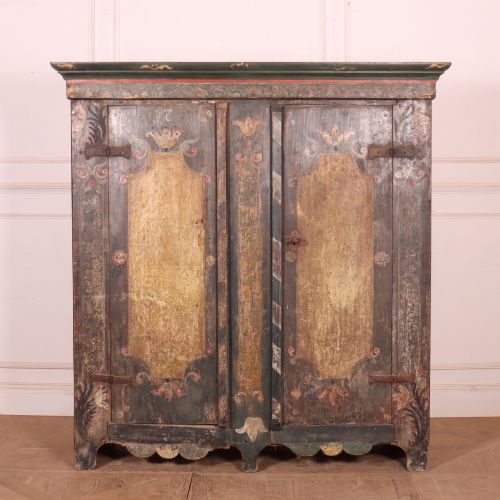
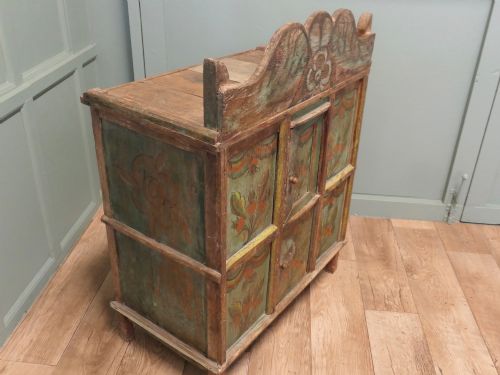
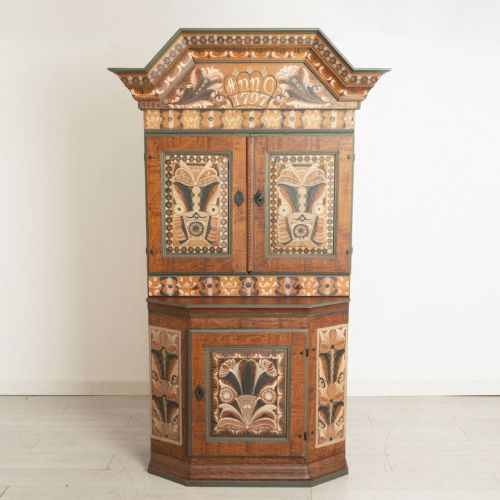
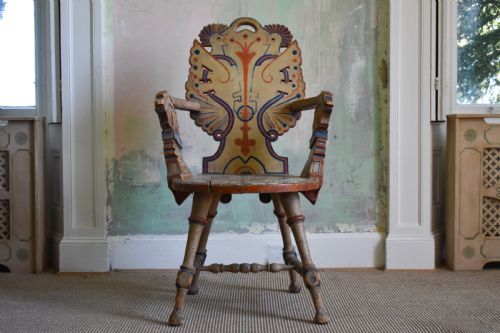
The objects stem predominantly from the eighteenth and nineteenth centuries, reflecting domestic traditions across Sweden, Hungary, Switzerland, and the wider European countryside. Painted pine and fruitwood predominate, often bearing surviving layers of original colour and decorative motifs applied by local makers.
Materials and construction methods
Makers utilised readily available local timbers, most frequently working with soft pine, durable oak, and regional fruitwoods. Construction relies on traditional joinery methods suited to domestic output, including pegged framing and solid board assembly.
Surfaces were frequently finished with hand-mixed paints, graining, or wax, while seating pieces often incorporate natural plant fibres such as plaited straw and súgán for squab or woven seats.
Traditional Folk Art Furniture Retail Price Guide 2026
Typical asking prices for traditional folk art furniture among the pieces listed under this phrase on Sellingantiques today, from the lower quarter to the upper quarter. They describe what is for sale here now, not the wider market.
Leather workers used low wooden 'pony' benches that allowed them to sit astride their work while stitching.
Judging quality and character
Quality rests upon the survival of original painted surfaces and the integrity of the timber rather than pristine factory finish. Pieces that retain their unstripped primary layers of pigment exhibit a stronger connection to their vernacular origins.
Proportion and regional idiosyncrasy dictate distinction, where distinct local turning, structural joinery, and folk carving elevate a simple domestic object into a compelling piece.
Melissa White
The Traditional Folk Art Furniture Glossary
- Box settle
- A high-backed wooden bench featuring a storage compartment enclosed beneath the seat. This form provided draught protection in vernacular interiors.
- Súgán chair
- A traditional seating form constructed with a wooden frame and a seat woven from straw or twisted plant fibres. These chairs are characteristic of Irish and British rural traditions.
- Escabelle chair
- A traditional style of high-backed wooden hall chair associated with Alpine and Swiss regions. They often feature carved panels and sturdy upright construction.
- Marriage cupboard
- A large storage cabinet commissioned to mark a wedding, frequently inscribed with dates and decorated with painted floral or figurative motifs. They served as central storage in European farmhouses.
Traditional Folk Art Furniture: Frequently Asked Questions
What defines traditional folk art furniture?
These pieces are practical domestic items made by regional craftspeople using local timber and traditional construction methods. They are defined by their unpretentious utility and regional stylistic traits.
Decoration often includes hand-applied paintwork, folk motifs, and natural finishes that reflect the specific geographic area where the object was made.
How were box settles used?
Box settles served multiple functions in historical rural homes, acting as seating for several people while blocking cold draughts from doors and open fires. The enclosed space beneath the seat also provided secure storage for blankets or household goods.
Their solid construction made them central fixtures in farmhouse kitchens and halls.
How do I care for painted folk furniture?
Painted surfaces require gentle maintenance using a soft dry cloth to remove dust. Avoid chemical cleaners and excessive moisture, which can damage historic pigment layers.
Keeping pieces away from direct sunlight and stable humidity levels will help preserve the original timber and paint.
How can I tell the age of these pieces?
Dating relies on examining the construction marks, tool traces, and the composition of the timber and paint layers. Hand-cut fixings and signs of genuine wear offer clues to an object's period.
Regional styles and traditional joinery techniques also help place a piece within its historical manufacturing era.