
Traditional Female Portrait Painting
Traditional female portrait painting captures historic sitters in oil, canvas and wood across centuries of fine art.
Traditional Female Portrait Painting
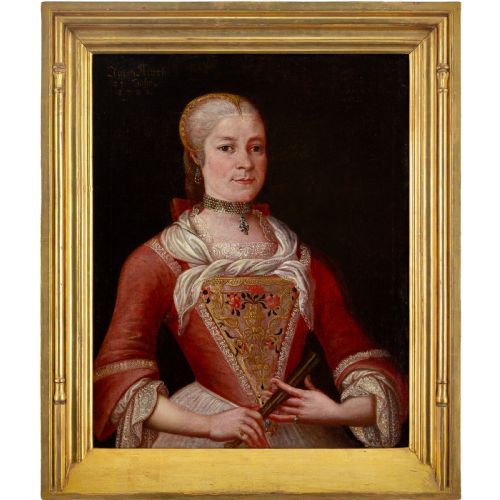
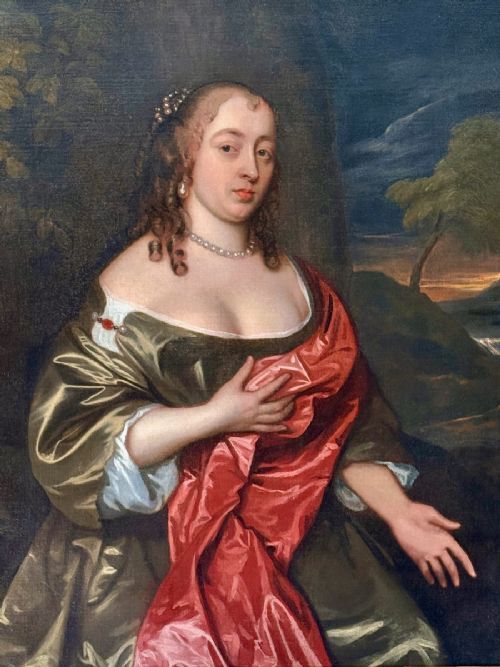
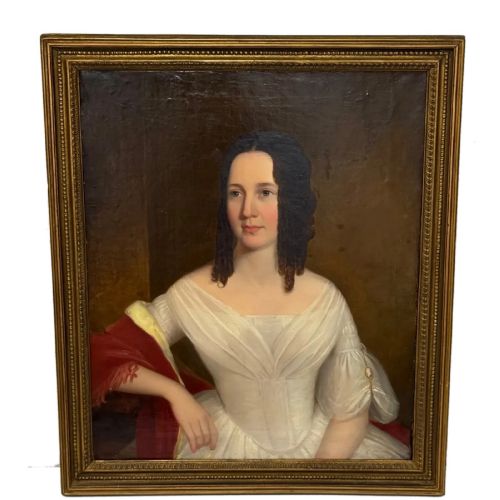
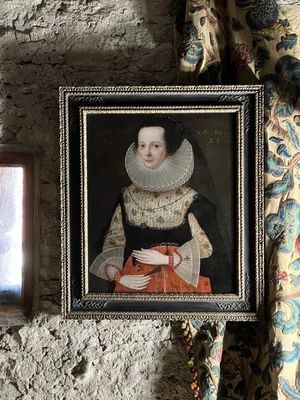
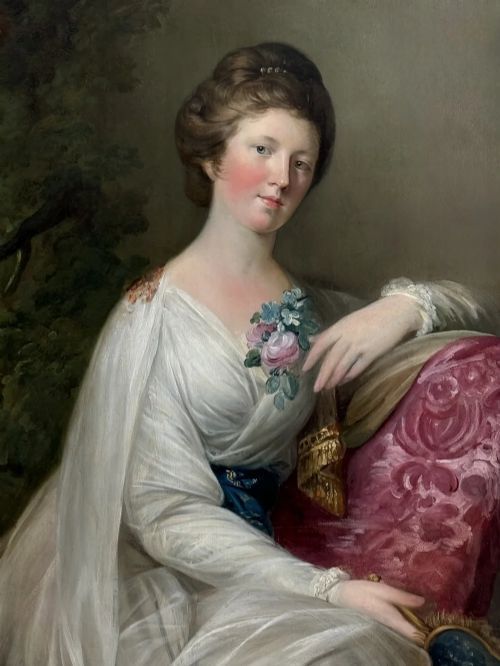
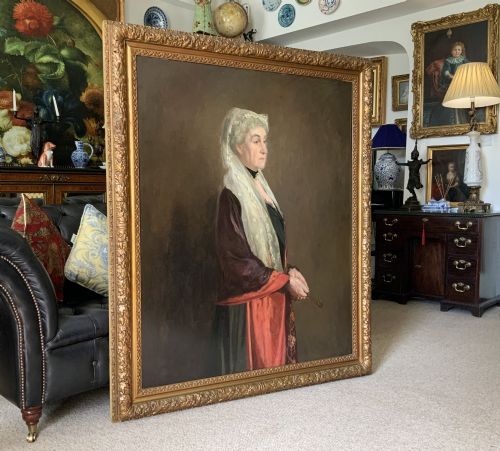
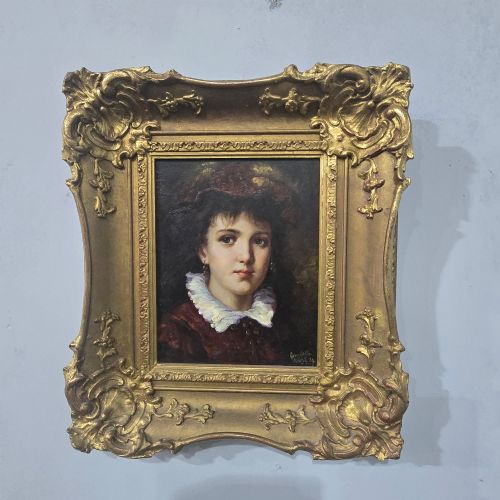
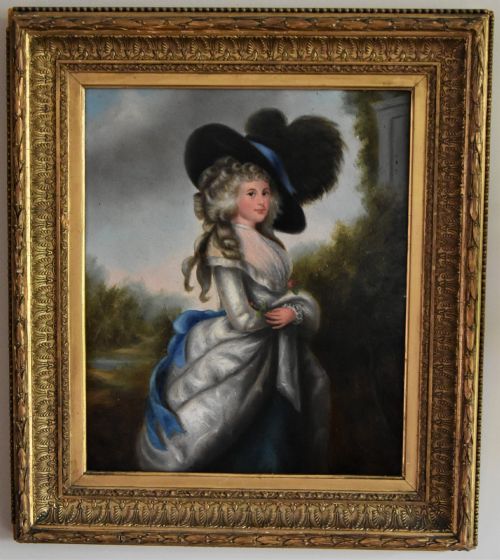
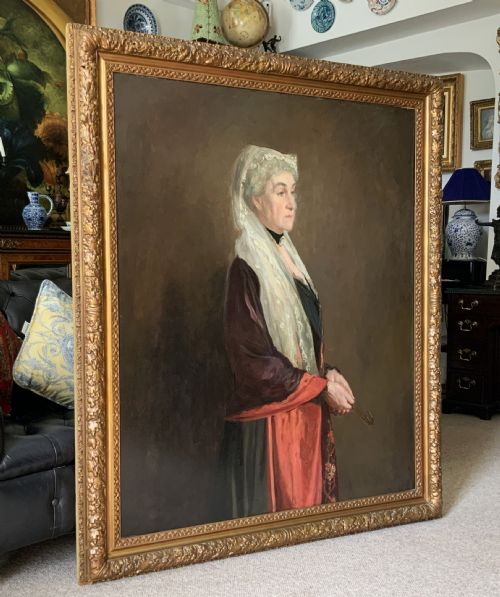
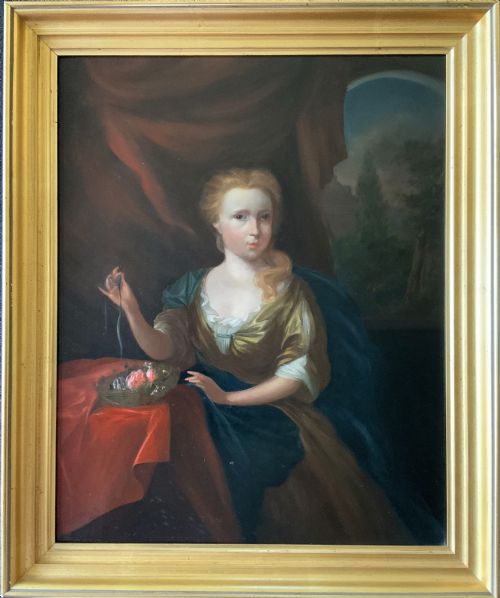
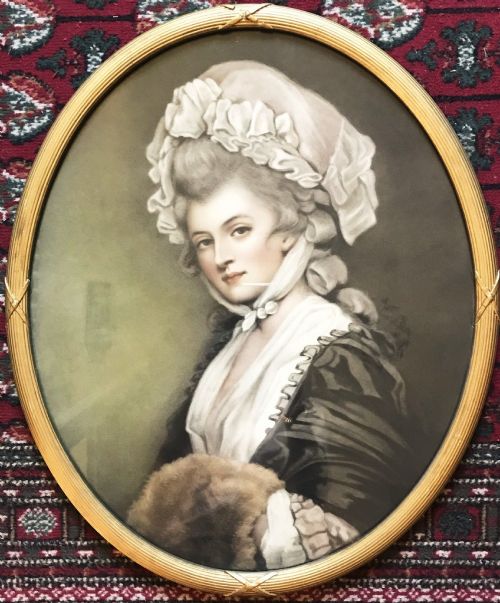
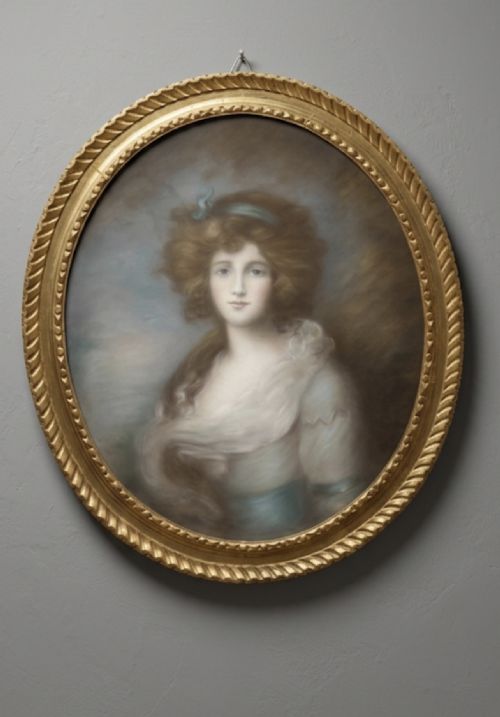
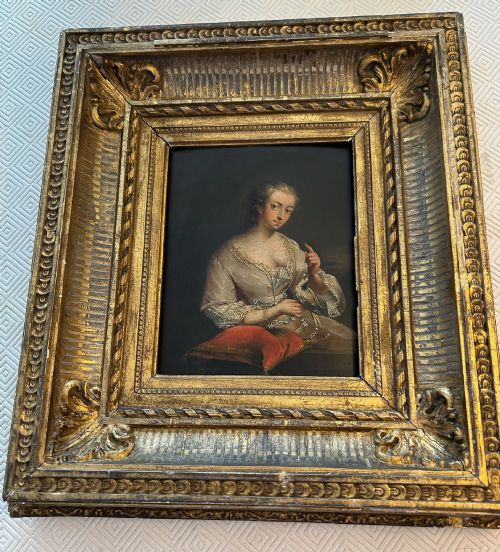
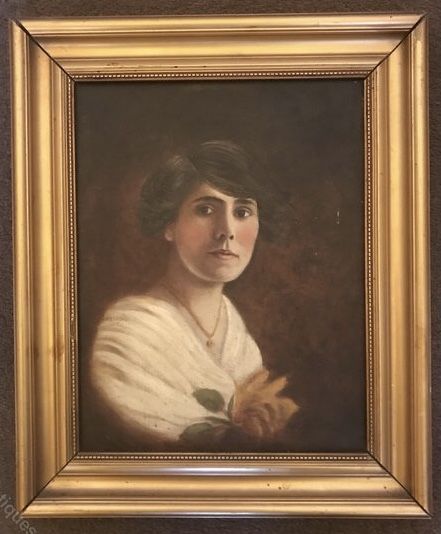
A traditional female portrait painting depicts women from past centuries, captured through oil on canvas or wood board. These works range from seventeenth-century nobility to nineteenth-century romantic subjects and Edwardian depictions.
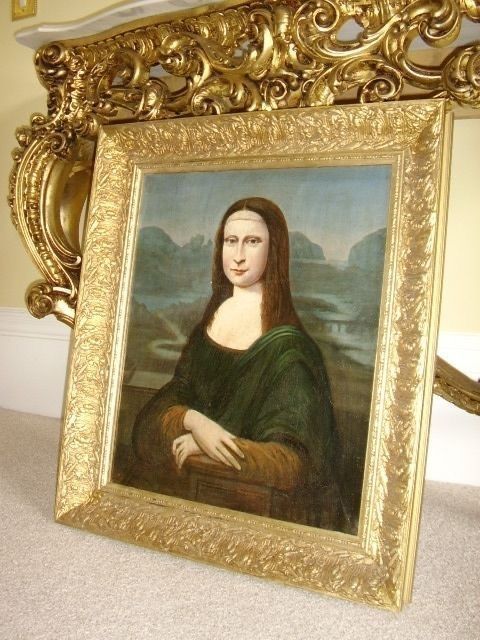
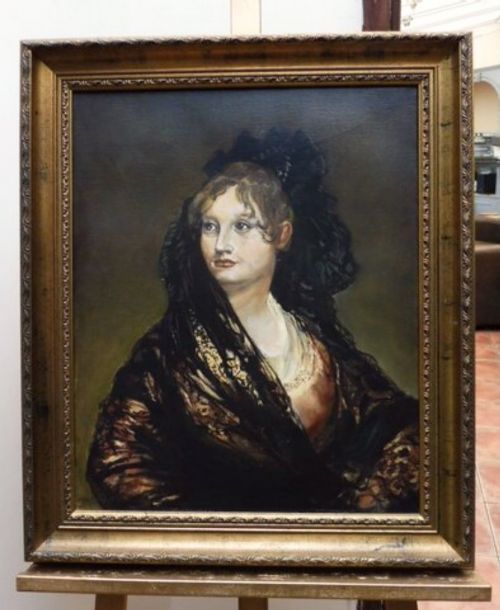
The selections span English, European and Bavarian schools, encompassing original compositions alongside historical copies after masters like Leonardo da Vinci and Thomas Gainsborough. Buyers encounter half-length studies, expansive landscapes and monumental canvases.
Portraits frequently record specific identities, such as architects, aristocrats and regional beauties, while others present anonymous sitters in elaborate costume. The physical formats include rectangular canvases, oval formats and framed wall art.
How They Were Made
Artists built these works using oil paint applied to woven canvas or rigid wood supports, often layered to achieve depth in fabric and flesh tones. Some mid-century and nineteenth-century examples utilise oil on board.
Frames form an integral part of the construction, with many historic pieces housed in giltwood or gilded frames featuring carved gesso ornamentation. Gold leaf details frequently enhance the surrounding presentation of the artwork.
Listings feature works spanning the seventeenth to the twentieth centuries, employing oil on canvas, wood and gesso frames.
What Varies in Quality
Quality rests upon the skill of the brushwork and the precision of the sitter's facial anatomy, distinguishing accomplished academic execution from provincial output. The rendering of textiles, lace stoles and background scenery reveals the artist's technical training.
The preservation of the original paint surface and the matching historic frame heavily influence the integrity of the piece. Works attributed to documented artists or established regional schools carry distinct art historical interest.
JOHN HAYLS·GEORGE WILLISON·Jonny Gaston·Fernand Jean Barbier·Robert Edward Morrison
The Traditional Female Portrait Painting Glossary
- Oil on Canvas
- A painting medium where pigments suspended in oil are applied to stretched fabric. This combination allows for rich blending of tones and enduring surface flexibility.
- Giltwood
- Wood carved and coated with gold leaf or gold paint. It provides an ornate, reflective border typical of period picture frames.
- Gesso
- A plaster-like mixture applied to wood or canvas as a base for painting or gilding. It creates a smooth, durable surface for fine decorative work.
- School
- A group of artists working in a particular style, region or period under a shared influence. This term denotes artistic lineage rather than a physical educational institution.
- After
- A term indicating that the painting is a studied copy of an earlier masterwork. These pieces emulate the composition and style of renowned historic portraits.
Traditional Female Portrait Painting: Frequently Asked Questions
How do I date an old portrait?
Dating relies on examining the sitter's costume, hairstyle and collar design, which changed rapidly across the seventeenth, eighteenth and nineteenth centuries.
Material analysis of the canvas, stretcher frames and underlying gesso provides further chronological clues.
What is an after-master painting?
An after-master painting is a later copy executed in the style of a famous historical artist, such as Gainsborough or Da Vinci.
These works were often painted for study purposes or to replicate celebrated compositions for private collections.
How should I hang an oil painting?
Oil paintings require secure wall fixings suited to the combined weight of the heavy canvas and wooden or giltwood frame.
Placement should avoid direct sunlight and fluctuating humidity to protect the paint layer and prevent wood warping.
Are all antique portraits identified?
Many historic portraits depict sitters whose names were lost over successive generations, leaving them recorded simply as anonymous ladies or regional beauties.
Inscribed frames, canvas inscriptions or historical archives sometimes preserve the identity of the person portrayed.