
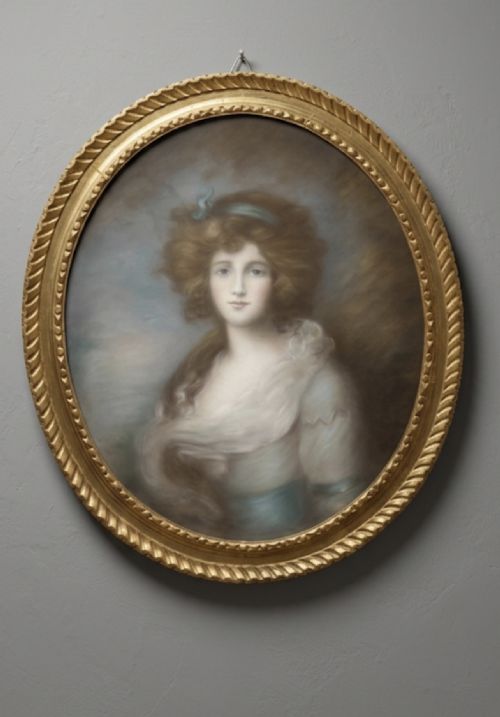


Regency Female Portrait Painting
Regency female portrait painting captures the elegance of Georgian and 19th-century women through oil, watercolour, and enamel.
Regency Female Portrait Painting
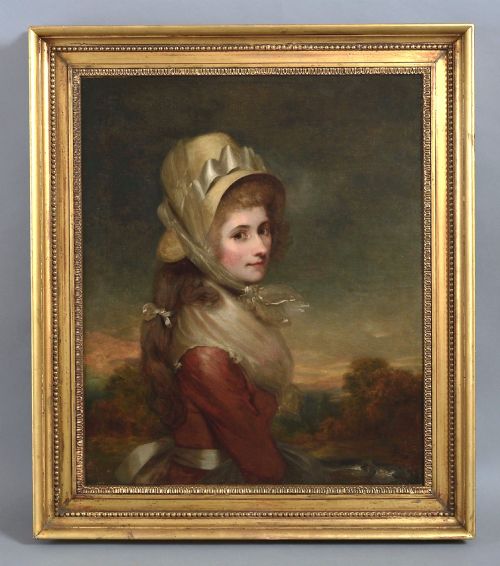
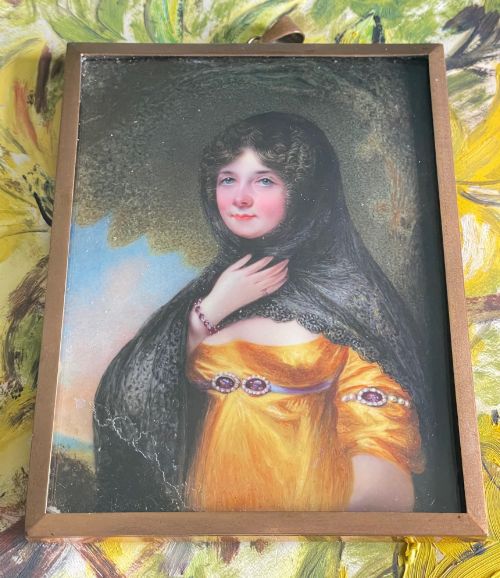
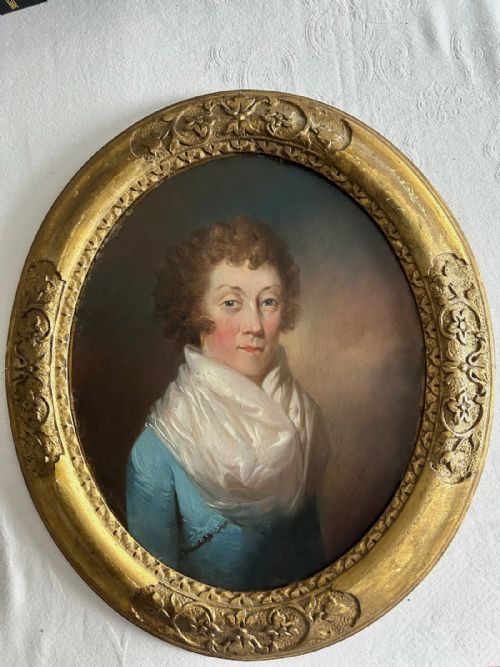
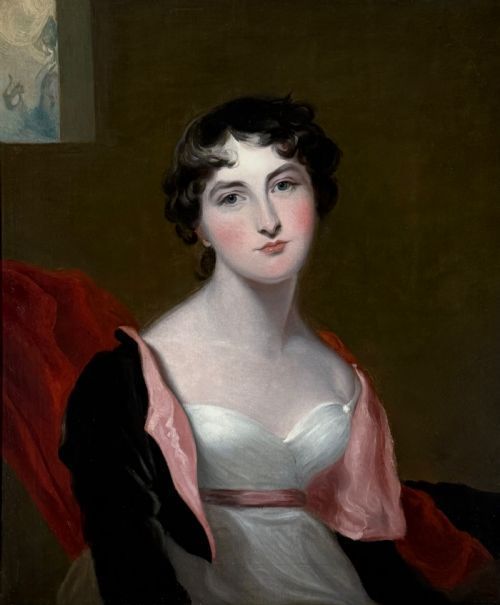
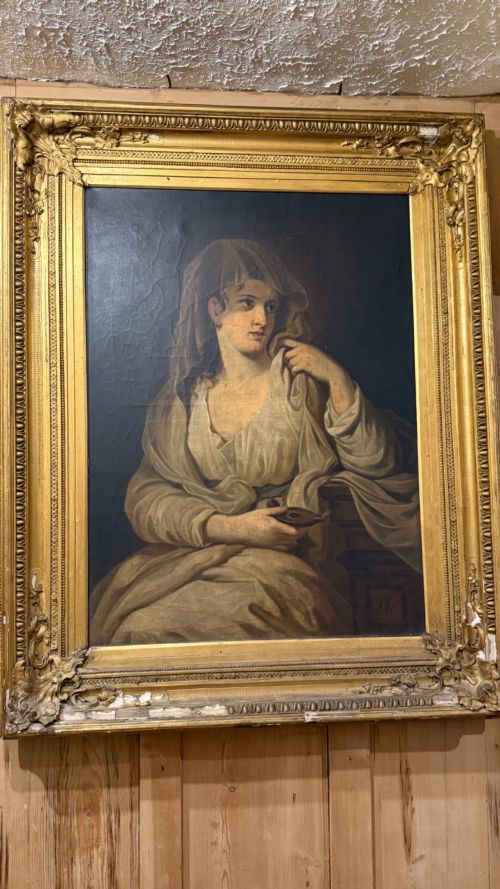
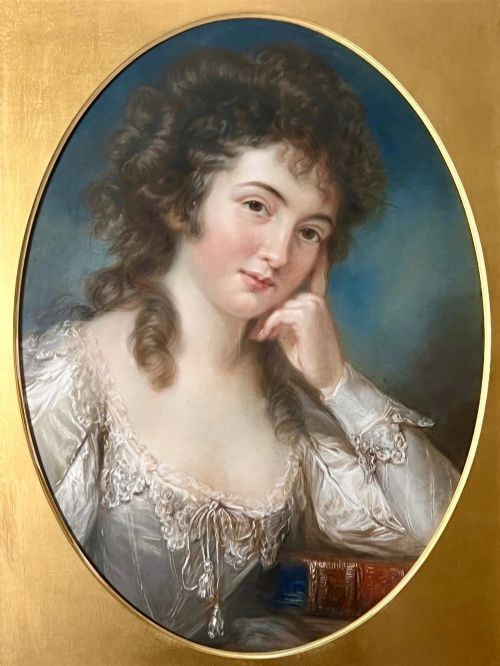
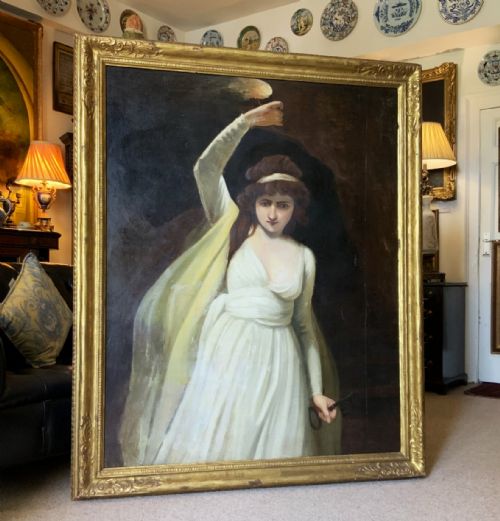
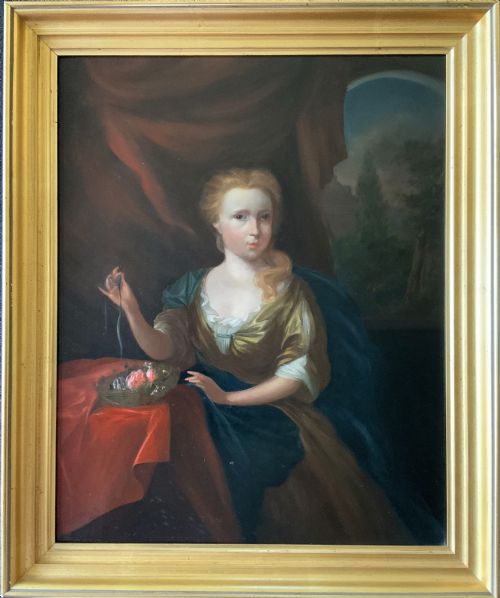
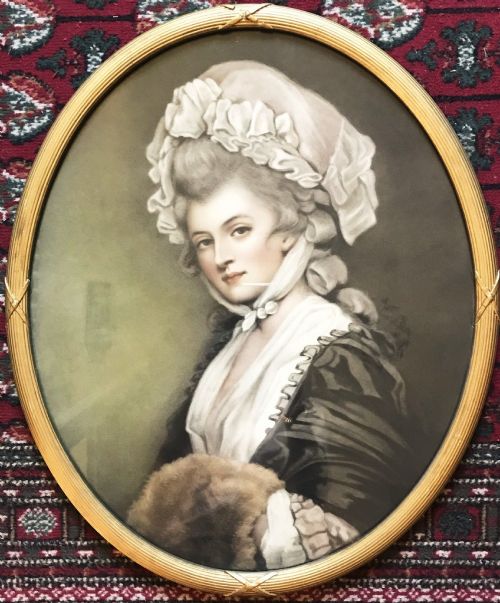
A regency female portrait painting presents women of the Georgian and 19th-century periods in mediums ranging from large canvas works to delicate miniatures. These pieces frequently appear in styles reflecting Regency, Georgian, and Neoclassical tastes, capturing sitters in detailed attire from the era.
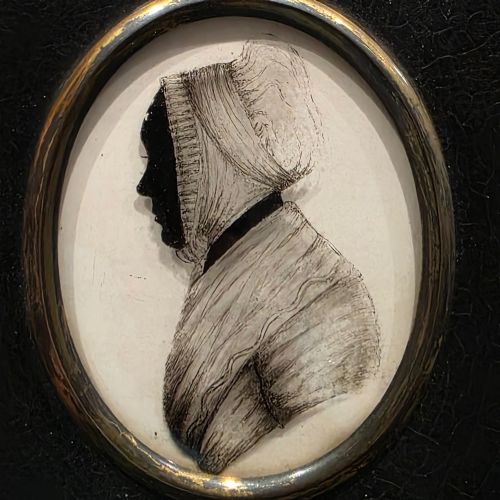
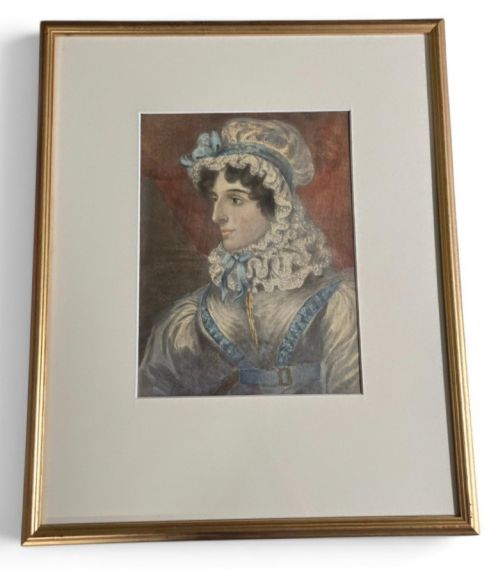
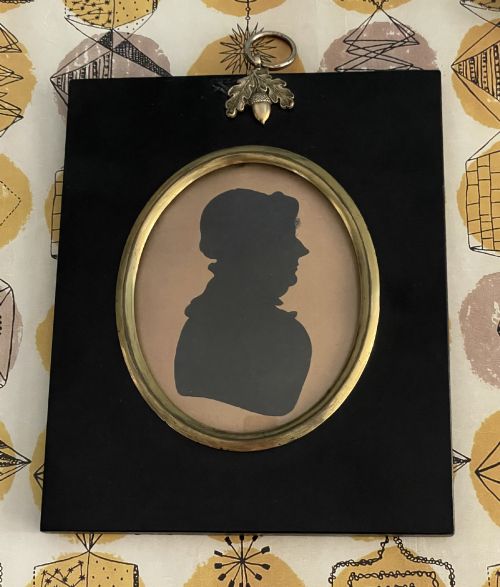
Collectors encounter works attributed to known artists alongside pieces by the English School. The selection spans full-scale oil paintings, framed watercolours, gouache, pastels, and painted silhouettes on glass.
The subjects range from named sitters like Miss Mary Linwood and Mrs Grace Williams to elegant unknown models wearing silk dresses, pearls, and bonnets. Original frames in rosewood, maple, and giltwood frequently accompany these works.
Materials and Techniques
Artists of the period painted primarily with oil on canvas or applied watercolour and gouache to paper and ivory. Enamel on metal and reverse painting on glass also appear among the miniature formats.
Support materials include wood panels and heavy paper stock, often housed behind glass within gilt wood, giltwood, or brass frames. Pastel and chalk were utilised for soft-textured depictions of sitters.
Certain miniature portraits carry connections to historical figures like Lord Byron and Earl Grey tea.
Assessing Quality and Execution
The preservation of the original medium, whether oil pigments or delicate watercolour pigments on ivory, influences desirability. Original period framing in maple, rosewood, or giltwood adds context to the piece.
Sir Martin Archer Shee·Horace Hone·John Russell RA·John Opie RA·Thomas Gainsborough·Nicolas Freese·Albin R Burt·John Raphael Smith·Emma Kendrick·Henry Pierce Bone·Isaac Wane Slater·Jeremiah Steele·William Owen RA
The Regency Female Portrait Painting Glossary
- Portrait Miniature
- A small-scale painting executed on ivory, vellum, or card. These delicate works were often designed to be worn or kept in travel cases.
- Silhouette
- A solid profile likeness, typically cut from paper or painted directly onto glass, plaster, or card. Examples from this period often incorporate fine ink or colour details.
- Gouache
- An opaque water-based paint that provides solid areas of colour and matte finishes. Artists combined it with watercolour for heightened facial and costume detail.
- Neoclassical
- An artistic style drawing inspiration from classical antiquity. It influences the posture, drapery, and understated settings of the female sitters.
- Provenance
- The documented history of ownership surrounding an artwork. Good provenance confirms attribution to named portraitists or historical subjects.
Regency Female Portrait Painting: Frequently Asked Questions
What mediums were used for these portraits?
Artists worked in oil on canvas, watercolour, pastel, gouache, and enamel.
Miniatures frequently utilised ivory or glass supports alongside traditional paper and canvas.
Are all sitters identified by name?
Many paintings record specific historical individuals, such as Mrs Grace Williams or Miss Mary Linwood.
Other canvases depict elegant unknown ladies described by their costume or setting.
How do I display these frames safely?
Keep works away from direct sunlight to protect delicate watercolours and pastel pigments.
Ensure antique maple, rosewood, and giltwood frames are kept in stable humidity conditions.
What is the difference between a miniature and a painting?
Miniatures are executed on a small scale, often on ivory, enamel, or card, intended for intimate viewing.
Paintings typically refer to larger oil or pastel works on canvas designed for wall display.