

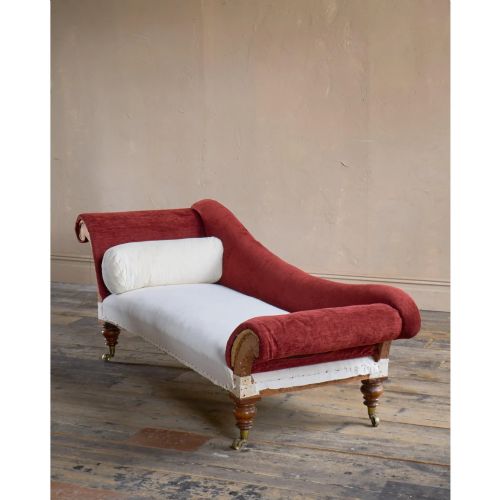
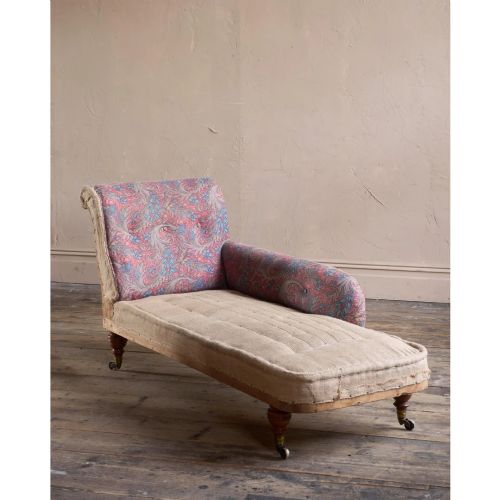
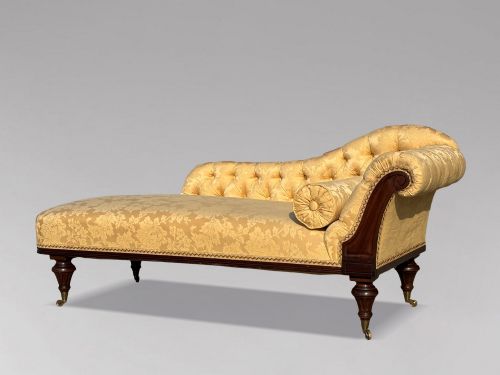
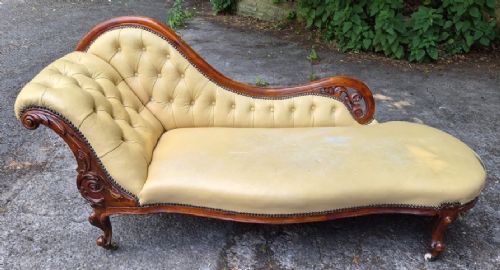





Traditional Fainting Sofa
A traditional fainting sofa offers an elegant spot for daytime rest, shaped by centuries of wood and upholstery traditions.
Traditional Fainting Sofa
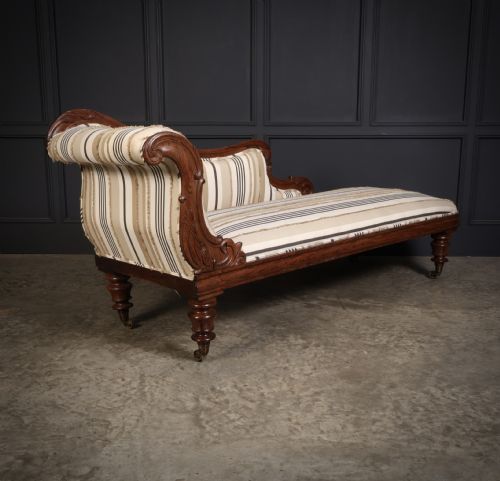
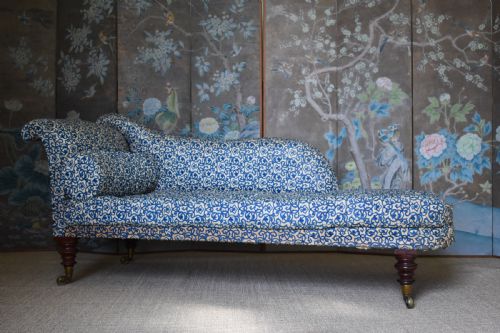
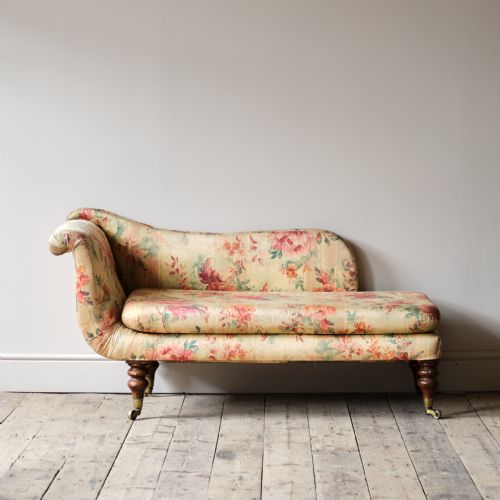
A traditional fainting sofa combines the low support of a daybed with the raised headrest of a lounge, originating across the nineteenth century. Buyers encounter forms ranging from Regency and William IV pieces to Victorian and Edwardian examples.
The objects appear under various names including chaise longues and daybeds, reflecting their long history of domestic use. Most pieces date from the nineteenth century, utilising timber frames and upholstered surfaces designed for reclining.
How they were made
Frames are built from hardwoods such as mahogany and rosewood, often featuring carved wooden details and brass fittings. Woodworkers shaped these elements to support extended reclining decks and single raised ends.
Upholstery involves materials like velvet, leather, cotton, and various fabrics, frequently finished with buttoning and concealed storage compartments. Craftsmen layered these textiles over internal padding to create durable surfaces for daily rest.
Traditional Fainting Sofa Retail Price Guide 2026
Typical asking prices for traditional fainting sofa among the pieces listed under this phrase on Sellingantiques today, from the lower quarter to the upper quarter. They describe what is for sale here now, not the wider market.
Several examples include concealed storage compartments, proving that nineteenth-century loungers also needed a discreet place to hide their secrets.
What varies in quality
The standard of a traditional fainting sofa rests on the crispness of its timber carving and the architectural balance of its single scrolled end. Finer examples display meticulous joinery and substantial rosewood or mahogany frames.
Upholstery execution separates standard pieces from exceptional ones, particularly in the precision of buttoning and the selection of covering materials like velvet and leather. Attribution to notable makers adds a distinct layer of distinction to certain pieces.
Holland and Sons·Howard and Sons·Jas Shoolbred·Hampton and Sons
The Traditional Fainting Sofa Glossary
- Chaise longue
- An elongated chair designed for reclining, featuring a backrest at one end. This form provides the primary shape for traditional fainting sofas.
- Daybed
- A couch that functions as a seat during the day and a bed for resting. These pieces share a heritage with nineteenth-century lounging furniture.
- Buttoning
- A method of securing upholstery with deep-set buttons to create a padded, patterned surface. This technique appears frequently on nineteenth-century velvet and leather examples.
- Mahogany
- A durable hardwood commonly used for furniture frames during the nineteenth century. Its strength allowed for slender yet supportive structural lines.
Traditional Fainting Sofa: Frequently Asked Questions
What is a traditional fainting sofa used for?
These pieces served as daytime resting places in nineteenth-century homes, allowing occupants to recline without retiring to a bedroom.
Today, they function as sculptural seating in living rooms, studies, and bedrooms, offering a compact alternative to full-sized sofas.
How do I identify a Regency period piece?
Regency examples typically feature classical lines, dark mahogany timbers, and restrained decoration inspired by ancient Greek and Roman designs.
They often predate heavier Victorian iterations, displaying a lighter structural grace and characteristic scrolled headrests.
Are these sofas comfortable for daily lounging?
The sloping end supports a reclined posture, while the cushioned deck provides a firm surface for reading or resting.
Comfort levels depend on the internal padding and upholstery materials used during restoration or original manufacture.
What materials are typical for the upholstery?
Original and restored surfaces utilise velvet, cotton, and whisky brown leather, often finished with traditional buttoning.
Underneath these textiles lie supportive padding materials housed within wooden frames.