

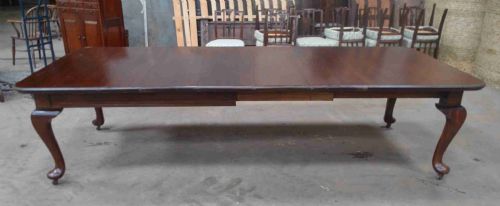


Traditional Expandable Table
A traditional expandable table offers the flexibility needed for large gatherings without sacrificing period character in the dining room.
Traditional Expandable Table
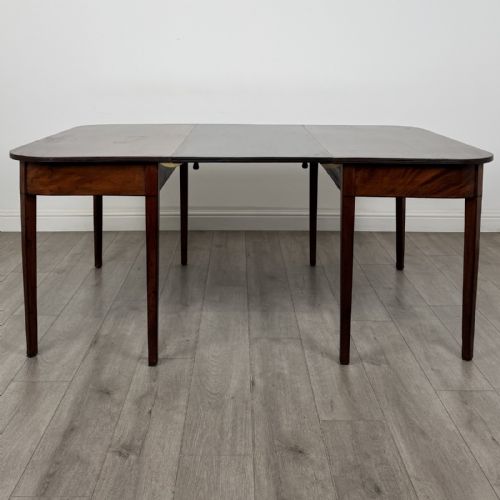
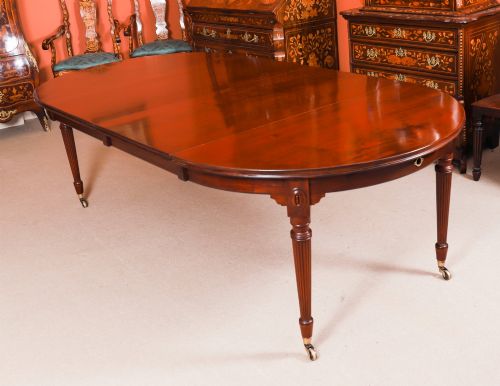
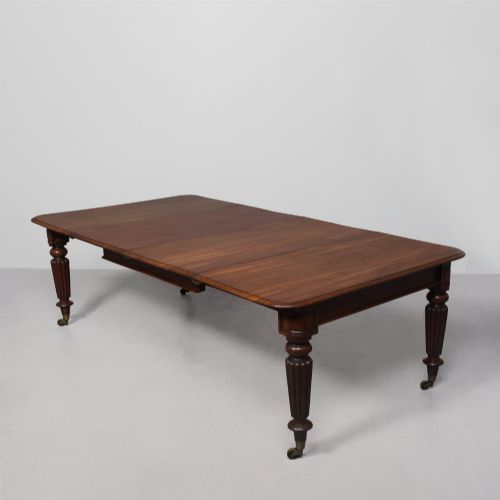
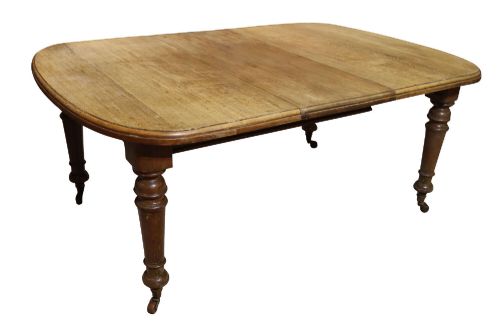
A traditional expandable table is designed to adapt its surface area for dining, utilising leaves, gateleg actions, or drop-leaf mechanisms to accommodate varying numbers of guests. When searching for a traditional expandable table, buyers encounter formats ranging from compact drop-leaf forms to substantial multi-leaf dining tables.
How they were made
Construction techniques include drop-leaf joints, gateleg supports, and sophisticated wind-out systems designed to insert additional leaves securely. Metal and ceramic components often appear within the mechanical workings and castor wheels of later nineteenth-century examples.
Traditional Expandable Table Retail Price Guide 2026
Typical asking prices for traditional expandable table among the pieces listed under this phrase on Sellingantiques today, from the lower quarter to the upper quarter. They describe what is for sale here now, not the wider market.
Mahogany is the dominant wood across these listings, appearing alongside oak in 19th Century and Victorian dining tables.
What varies in quality
Quality in a traditional expandable table rests primarily on the selection of figured mahogany or solid oak and the precision of the extending mechanism. Superior examples maintain smooth operation across all leaves and display careful timber matching throughout the top.
The finesse of the turning on pedestals or legs and the original presence of maker stamps or quality brass castors elevate certain pieces above standard utility furniture. Untouched surfaces and robust framing distinguish the finest surviving specimens from later alterations.
Gillows Lancaster
The Traditional Expandable Table Glossary
- Drop-leaf
- A table with a fixed central section and hinged flaps that fold down to save space when not in use. These often feature swing-out legs to support the lowered leaves.
- Gateleg table
- A table with hinged legs that swing out like a gate to support drop leaves on either side. This form dates back centuries and provides sturdy support for larger surfaces.
- Wind out
- An extending dining table mechanism operated by a handle that turns a screw thread to part or close the central sections. This allows multiple extra leaves to be inserted easily.
- D-End
- A table form featuring semi-circular ends that can be separated from a central section or used independently. When placed together, they form a complete oval or rounded rectangle.
- Pedestal table
- A table supported by one or more central pillars rather than four corner legs. These often stand upon tripod or platform bases fitted with castors.
Traditional Expandable Table: Frequently Asked Questions
How do wind out tables work?
Wind out tables use an internal metal screw mechanism operated by a detachable handle. Turning the handle drives the table halves apart so extra leaves can drop into the centre.
Once the leaves are in place, the handle turns in the opposite direction to draw the sections tightly together and lock the top in position.
How many people can these seat?
Seating capacity varies considerably depending on the number of additional leaves and the original length of the table. Smaller drop-leaf versions might seat six, while grand multi-leaf examples accommodate up to fourteen.
Checking the dimensions and leaf count helps determine the practical dining capacity for daily use or hosting.
Are these tables suitable for daily use?
These tables were built for heavy domestic use from durable hardwoods like mahogany and oak. Their solid construction handles regular family meals and large dinner parties.
Using heat mats and taking care when winding the extending mechanism ensures the timber and hardware remain in good condition over years of use.
How do I date an extending table?
Dating relies on stylistic clues such as leg shape, timber choice, and the sophistication of the extending mechanism. Regency and William IV pieces often display heavier pedestals and figured veneers, while Victorian examples frequently incorporate winding mechanisms.
Maker stamps and construction methods inside the frame also provide clear indicators of the period of manufacture.