
Traditional Equestrian Wall Art
Traditional equestrian wall art captures the enduring spirit of the countryside and the track through centuries of fine painting.
Traditional Equestrian Wall Art
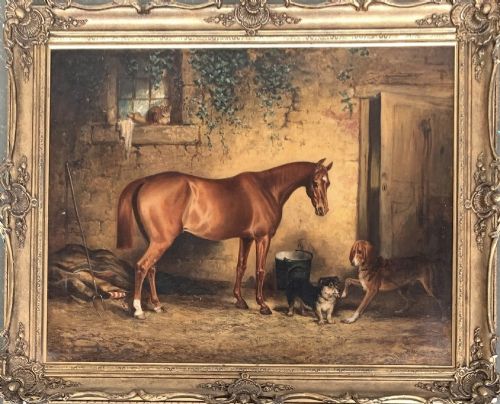
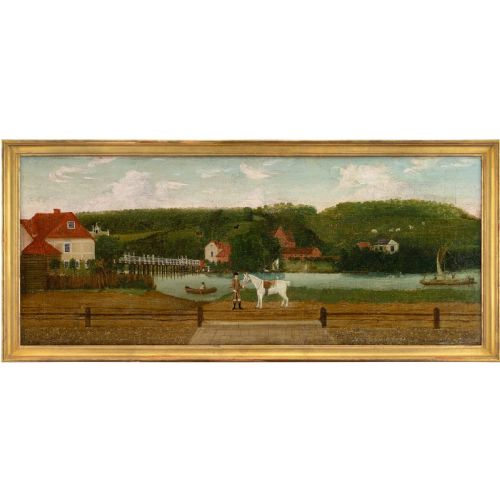
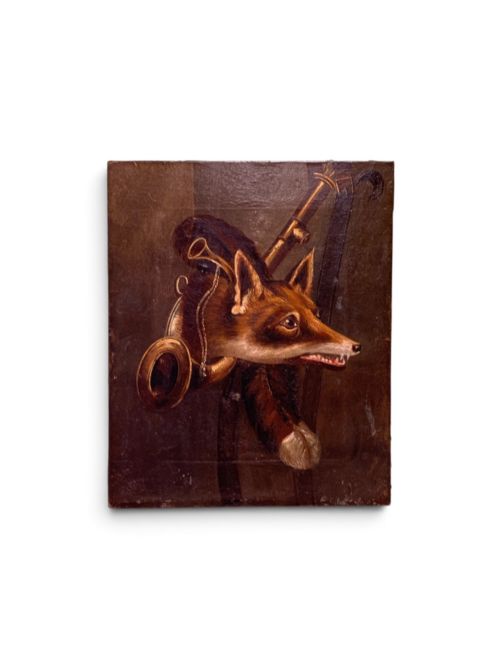
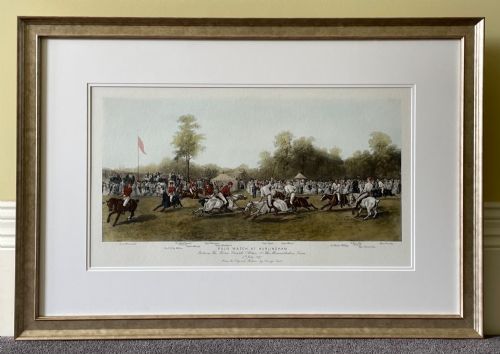
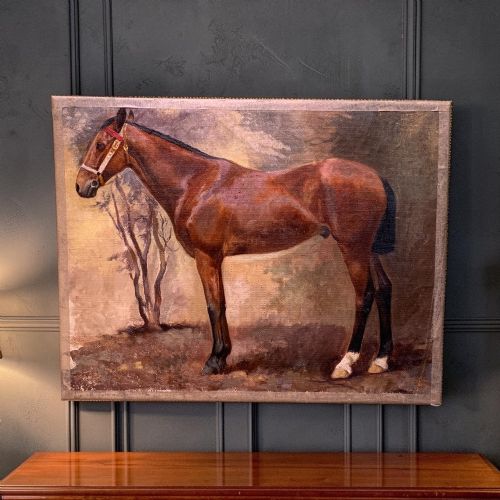
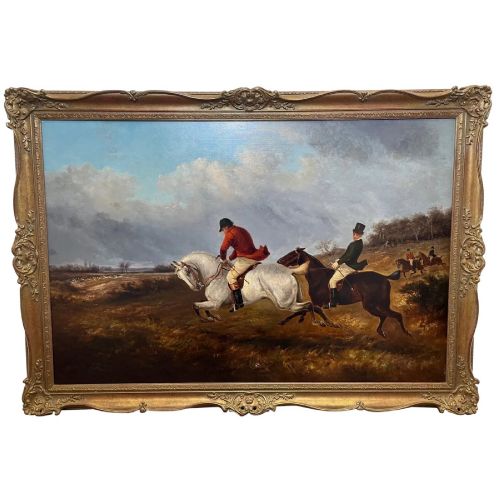
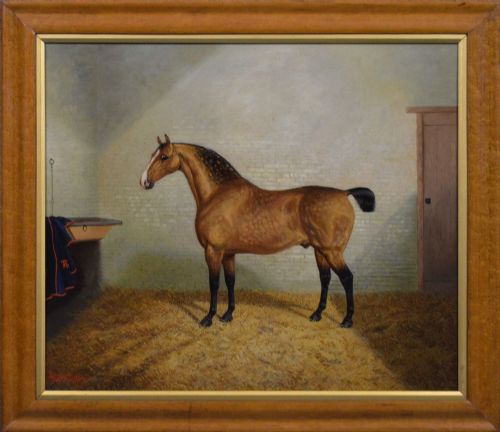
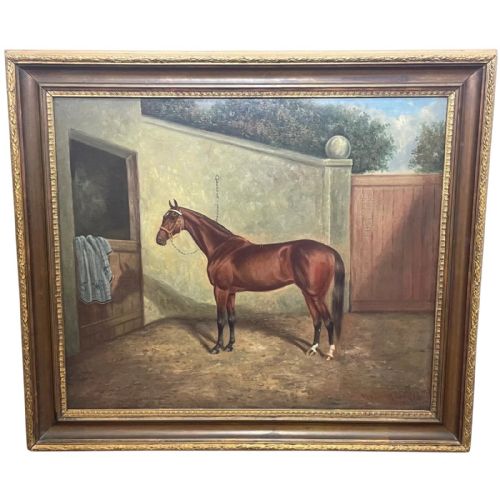
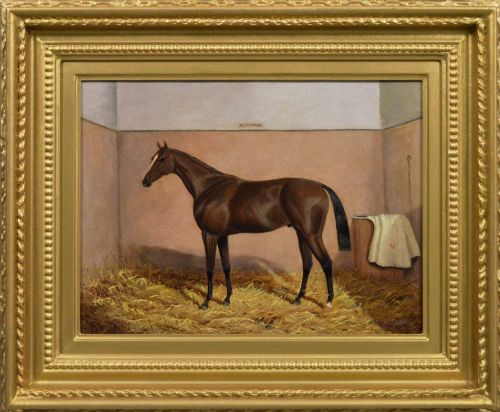
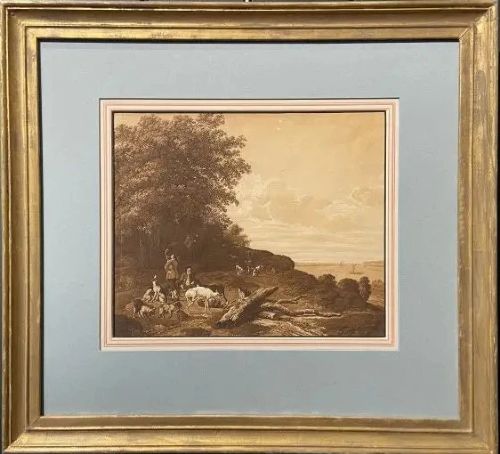
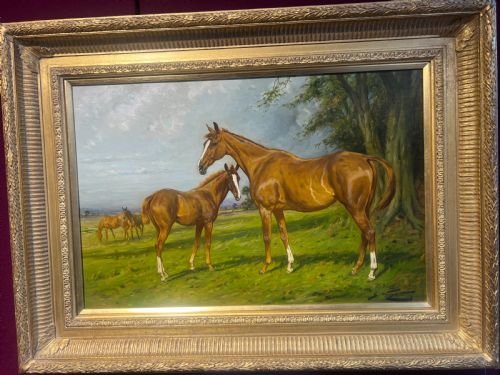
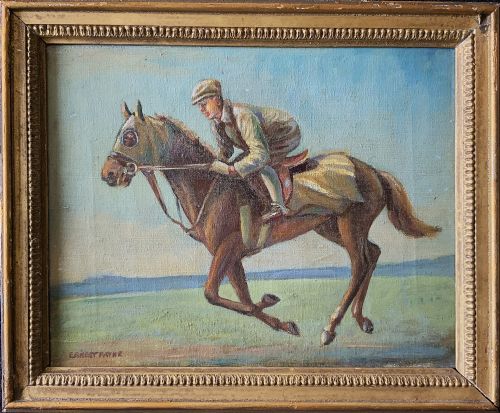
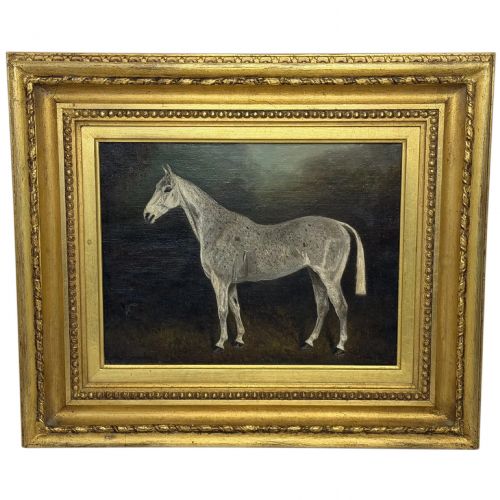
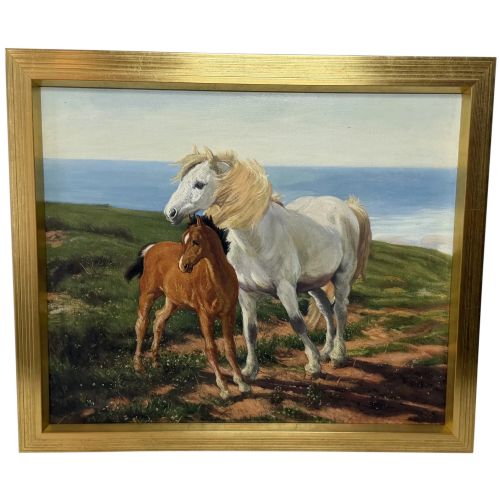
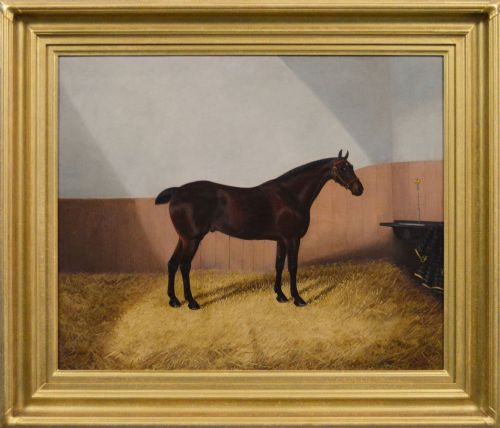
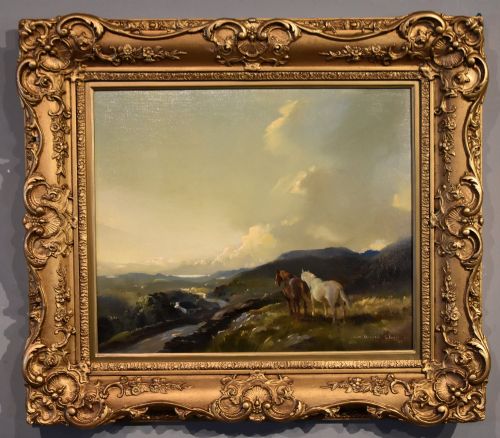
Traditional equestrian wall art encompasses framed oil paintings, watercolours, and lithographs depicting horses, hunts, and rural sporting life. These works record prized thoroughbreds, dramatic polo matches, and quiet stable scenes across British history.
Buyers meet works originating from the Georgian and Victorian eras through to the mid-twentieth century. Canvas and paper forms dominate, often housed in giltwood frames that reflect the formal tastes of country houses.
Portraits of named racehorses and hunters share space with coaching scenes and expansive countryside landscapes. Each piece offers a direct window into historical attitudes towards sport, animal husbandry, and land.
Distinctions in quality
Anatomical precision and the accurate rendering of equine movement separate exceptional sporting works from standard depictions. Master painters capture the distinct personality and conformation of specific animals rather than relying on generic templates.
The integration of horse and landscape distinguishes superior compositions from simpler portraits. Skilled artists anchor the animal convincingly within its specific environment, whether a Sussex estate or an Epsom racetrack.
The harmony between canvas and original frame contributes significantly to the integrity of a piece. Period giltwood frames that complement the age and scale of the artwork elevate the overall visual presence.
Traditional Equestrian Wall Art Retail Price Guide 2026
Typical asking prices for traditional equestrian wall art among the pieces listed under this phrase on Sellingantiques today, from the lower quarter to the upper quarter. They describe what is for sale here now, not the wider market.
Listings feature oil on canvas, paper, and giltwood from the Victorian and Edwardian periods.
Henry Barraud·Thomas Smythe·Albert Clark·George Wright·John Frederick Herring Snr
The Traditional Equestrian Wall Art Glossary
- Giltwood
- Wood carved and coated with a thin layer of gold leaf or gilt. This material frequently frames nineteenth-century oil paintings to project status.
- Lithograph
- A print made from a flat stone or metal plate treated to retain ink. This technique allowed popular sporting scenes to be reproduced for wider distribution.
- Bay
- A horse coat colour characterised by a reddish-brown body with black points on the mane, tail, and lower legs. It appears constantly in nineteenth-century portraits.
- Equestrian
- Relating to horse riding, driving, or general horsemanship. This descriptor unites all works focusing on horses and their human handlers.
Traditional Equestrian Wall Art: Frequently Asked Questions
What periods do these pieces span?
The available selection spans from the eighteenth century through the Georgian and Victorian eras into the twentieth century. Most works date from the nineteenth and early twentieth centuries.
Artists from these periods recorded the golden age of British coaching, racing, and country sports with meticulous detail on canvas and paper.
How do I identify named horses in portraits?
Inscribed plaques on frames, written notes on the reverse of canvases, and contemporary racing records often identify specific animals like derby winners or famous hunters.
Artists frequently noted the pedigree and achievements of the subject directly on the stretcher bars or within the primary documentation of the painting.
Where should I hang traditional equestrian art?
These works suit traditional studies, libraries, and living rooms where timber furniture and classic interior palettes predominate.
Protecting oil on canvas and paper works from direct sunlight ensures the rich pigments and gilt details remain stable over decades of display.